What is the Lifespan of a Welding Robot Arm?

Time:2026-06-30 Author:Sienna
0%

Welding robots are essential in modern manufacturing. Companies rely on them for efficiency and precision. However, a common question arises: what is the lifespan of a welding robot arm? Understanding this lifespan is crucial for maintenance and investment decisions.

The lifespan of a welding robot arm can vary widely. Factors include usage, environment, and maintenance. Often, these arms can last 10 to 15 years with proper care. However, intensive use in harsh conditions can reduce this lifespan significantly. Regular inspection and timely repairs are vital. Companies must consider these aspects to maximize their investment.

Beyond the numbers, it’s essential to reflect on the operational environment. Robots need a stable and clean area to perform optimally. A neglected workspace can lead to premature wear and tear. This leads us back to the question: what is the lifespan of a welding robot arm? The answer depends not just on the technology but also on how we treat it.
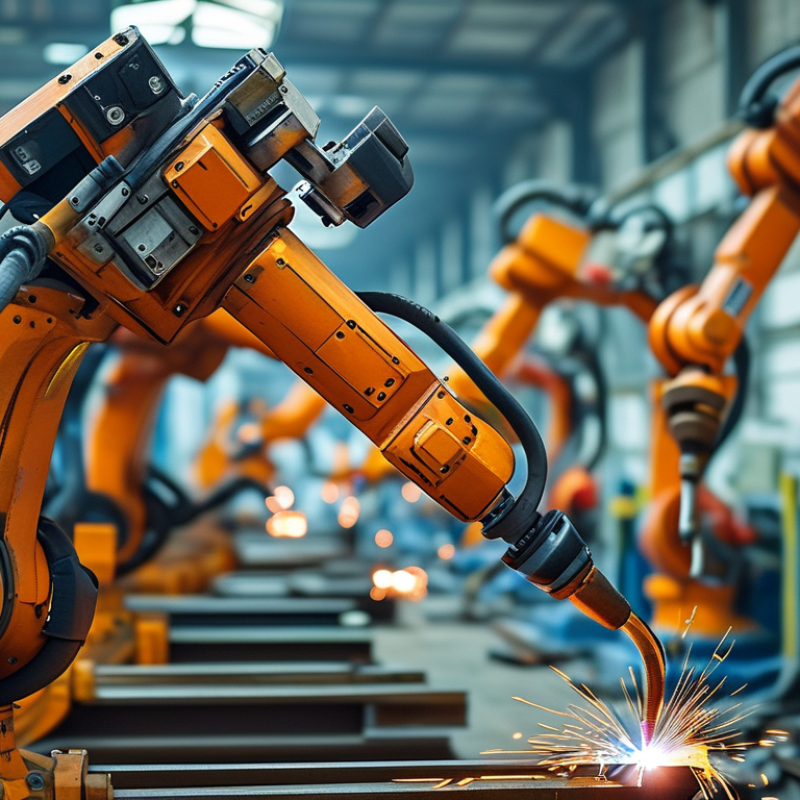
What is the Lifespan of a Welding Robot Arm?

Factors Influencing the Lifespan of Welding Robot Arms

The lifespan of welding robot arms is influenced by several key factors. One major aspect is the frequency of use. Robots that operate continuously may wear out faster than those used intermittently. Daily operational hours can significantly affect their overall durability.

Another critical element is maintenance. Regular checks and servicing can extend the life of a welding robot arm. Ignoring minor issues often leads to larger problems later. Quality of the components also plays a role. High-quality materials usually result in longer-lasting performance.

Environmental conditions impact robot lifespan too. Dust, humidity, and temperature fluctuations can cause wear and tear. Proper insulation and ventilation can mitigate these effects. User training is equally important. Operators must understand how to handle and manage these machines effectively. Mistakes in handling may lead to premature failure. Regular training sessions can enhance this understanding. Balancing these factors is vital for optimizing robot productivity while ensuring longevity.

Typical Lifespan of Welding Robot Arms in Industrial Settings

Welding robot arms have become essential in modern industrial settings. Their typical lifespan ranges from 5 to 15 years, depending on maintenance and usage. Many factors influence this duration. The intensity of use, environmental conditions, and quality of maintenance all play critical roles.

In heavily utilized environments, such as automotive manufacturing, these robots may wear out faster. Frequent exposure to heat, splatter, and various contaminants can lead to a decline in performance. Regular inspections and servicing can extend their life but require diligence. Without proper care, components may fail, resulting in costly downtime.

Interestingly, advancements in robotic technology may introduce robots with longer lifespans. However, as tech evolves, some older models might become obsolete. This raises the question: is it better to invest in newer models or to maintain existing ones? Business leaders often face this dilemma. Balancing costs and efficiency is crucial for successful operations.

Typical Lifespan of Welding Robot Arms in Industrial Settings

Industry Typical Lifespan (Years) Application Maintenance Frequency
Automotive Manufacturing 10-15 Spot Welding Monthly
Aerospace 8-12 Structural Welding Quarterly
Shipbuilding 7-10 TIG Welding Biannually
Construction 5-8 MIG Welding Monthly
Metal Fabrication 10-15 Robotic Welding Weekly

Maintenance Practices to Extend the Life of Welding Robots

Welding robots are known for their efficiency and speed. However, their longevity greatly depends on maintenance practices. Regular inspections are crucial to identify wear and tear early. Operators should look for signs of rust or frayed cables. Neglecting these checks can lead to costly repairs and reduced productivity.

Tips: Schedule weekly maintenance checks. Keep a detailed log of all inspections. This will help track performance over time.

Proper calibration is vital for welding robots. Misalignment can affect the quality of the weld and lead to additional stress on components. Operators should follow the manufacturer’s guidelines for calibration. Regular adjustments based on usage can prevent premature failures.

Tips: Use reliable measurement tools. Evaluate calibration after every significant job change. Small adjustments can make a big difference.

Finally, keeping the workspace clean is essential. Dust and debris can interfere with the robot’s performance. A tidy environment helps maintain accuracy and reduces the risk of unexpected breakdowns. Addressing cleanliness may seem minor but leads to better outcomes.

Tips: Implement a daily cleanup routine. Involve all team members to ensure accountability. Regular cleaning can enhance productivity.

Common Causes of Wear and Tear in Robo-Welding Systems

Welding robot arms are essential in manufacturing. However, they experience wear and tear over time. Understanding the common causes can help prolong their lifespan.

One significant issue is joint wear. According to industry reports, up to 30% of robotic failures stem from joint-related problems. These joints endure constant movement, leading to fatigue. Over time, this can impact precision. Regular lubrication can mitigate some wear, but it may not eliminate it completely.

Another cause is overheating. During prolonged operations, heat can damage sensitive components. It’s estimated that improper cooling can reduce a robot’s lifespan by 20-40%. Ensuring adequate cooling is vital. Monitor working conditions to prevent heat build-up.

Tips: Regular maintenance checks can help identify issues early. Train operators to detect unusual noises or movements. Consistent calibration ensures optimal performance, reducing unplanned downtime. Understanding these factors enhances reliability and efficiency in welding operations.

Technological Advances Impacting Welding Robot Longevity

Welding robot arms have transformed industrial processes significantly. These machines are designed for heavy-duty tasks with precision and efficiency. Their lifespan depends heavily on several factors, including maintenance and technological advancements. Understanding these elements can lead to better longevity for these valuable assets.

Technological advances play a crucial role in improving welding robot durability. Innovations in materials and design help robots withstand harsh working conditions. For instance, the use of high-strength alloys and advanced coatings can increase resistance to wear and corrosion. Meanwhile, software improvements enhance predictive maintenance capabilities. These tools can alert operators to potential issues before they become significant problems. However, some facilities still use outdated robots, limiting their effectiveness.

Unfortunately, not every company invests in the latest technology. Some might struggle to justify the cost of upgrades. This hesitation can lead to diminished performance and a shorter lifespan for their machines. Observing other industries can offer insights. Industries that embrace newer technologies often see better efficiency and reduced operational costs. With the right balance of innovation and maintenance, welding robot arms can serve for many years, becoming integral to production success.

FAQS

: What is the typical lifespan of welding robot arms?

: Welding robot arms typically last between 5 to 15 years, depending on usage and maintenance.

What factors influence the lifespan of welding robots?

Lifespan is influenced by usage intensity, environmental conditions, and quality of maintenance.

How does heavy use affect welding robots?

In high-use environments, like automotive manufacturing, robots may wear out faster and lose performance.

What is a common cause of failure in welding robots?

Up to 30% of robotic failures stem from joint wear and fatigue due to constant movement.

How does overheating impact welding robots?

Overheating can damage components and reduce lifespan by 20-40%, so cooling is essential.

What can extend the life of welding robot arms?

Regular inspections, maintenance, and lubrication can help identify and mitigate wear over time.

How can operators contribute to robot maintenance?

Operators should be trained to notice unusual noises or movements and report them promptly.

Are older robot models still useful?

As technology advances, older models might become obsolete, raising investment concerns for businesses.

What role does calibration play in welding robots?

Consistent calibration is vital for performance; it reduces unplanned downtimes of robots.

Should businesses invest in new robots or maintain existing ones?

Balancing costs and efficiency is essential; it's a dilemma many business leaders face regularly.

Conclusion

The lifespan of a welding robot arm is influenced by several factors, including its operational environment, usage frequency, and the quality of the components used in its construction. Typically, welding robot arms in industrial settings can last anywhere from 5 to 15 years, depending on these variables. Implementing regular maintenance practices, such as scheduled inspections and timely repairs, is crucial to extending their operational life and preventing common wear and tear issues.

Moreover, technological advances play a significant role in enhancing the longevity of welding robots. Innovations in design and materials can reduce stress on mechanical parts, while software improvements can optimize performance and efficiency. Understanding what is the lifespan of a welding robot arm and the best practices for maintenance can aid industries in maximizing their investment in robotic technology and preventing costly downtimes.

Sienna

Sienna

Sienna is a skilled marketing professional with a deep expertise in our company’s core products and services. With a passion for innovation and detail, she plays a pivotal role in crafting insightful blog posts that not only highlight the unique features of our offerings but also provide valuable......