The global welding robot market is currently experiencing a CAGR of over 10.5%, driven by the acute shortage of skilled manual welders and the demand for repeatable precision. In sectors like automotive and aerospace, servo-controlled systems have become the non-negotiable standard for achieving weld integrity that meets international safety standards.
China has evolved from a high-volume manufacturer to a global leader in high-precision robotics. By leveraging an integrated supply chain in Shenzhen, manufacturers like Sandai Robot can deliver 6-axis systems at a 40% higher price-to-performance ratio compared to traditional European or Japanese alternatives, without compromising on component quality (utilizing Japanese harmonic reducers and German sensors).
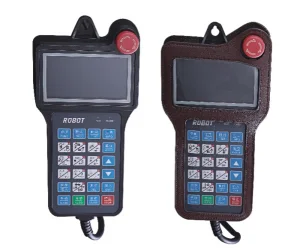
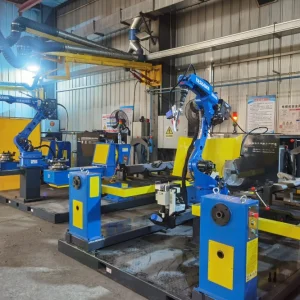
From heavy-duty shipbuilding in Southeast Asia to intricate precision engineering in Central Europe, localized customization is key. Modern systems now feature multi-language HMI interfaces, remote diagnostic capabilities for global maintenance, and adaptable jigs that accommodate varying regional steel grades.
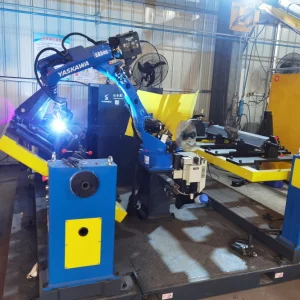
Unlike traditional hydraulic or basic stepper systems, Servo-Controlled Welding Robots utilize closed-loop feedback mechanisms. This allows the robot to "feel" its position in 3D space with a repeatability accuracy of ±0.02mm to ±0.05mm.
Recent advancements in User Intent Mining within the industrial software space allow our robots to interpret complex welding paths through simple point-cloud data. By integrating AI visual positioning, the servo motor adjusts the arc height in real-time to compensate for workpiece thermal deformation—a level of "intelligence" that traditional systems simply cannot match.
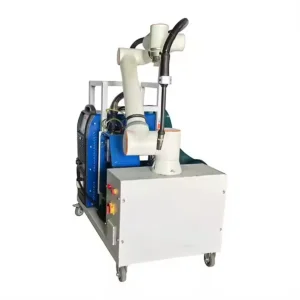
The move toward Green Manufacturing is pushing robots to optimize power consumption during idle times. Furthermore, "Cobots" (Collaborative Robots) are increasingly working alongside humans in small-to-medium enterprises (SMEs) where space is limited but precision is paramount.
Global procurement directors are shifting their focus from "lowest initial cost" to "Total Cost of Ownership (TCO)". This includes the availability of modular spare parts, the energy efficiency of the servo drives, and the ease of software updates. Reliability and after-sales support are now the primary drivers in vendor selection.
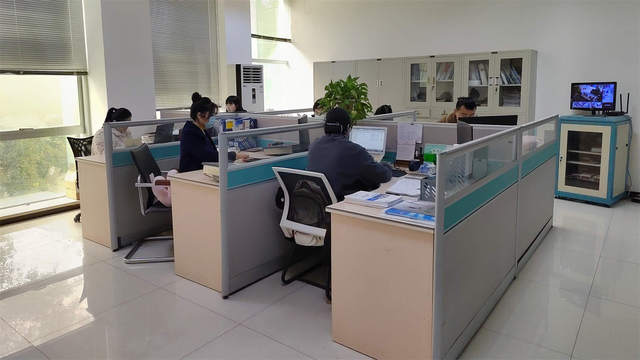
Shenzhen Sandai Robot Co., Ltd. is a professional industrial automation enterprise specializing in the development and manufacturing of welding robot arms, robotic welding systems, and intelligent welding automation solutions for global manufacturing industries. Established in 2012 and headquartered in Shenzhen, China, the company integrates advanced robotics technology, precision engineering, software development, and automated production capabilities to deliver reliable and efficient welding solutions worldwide.
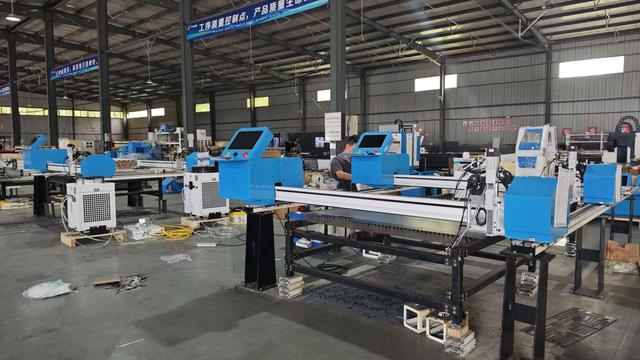
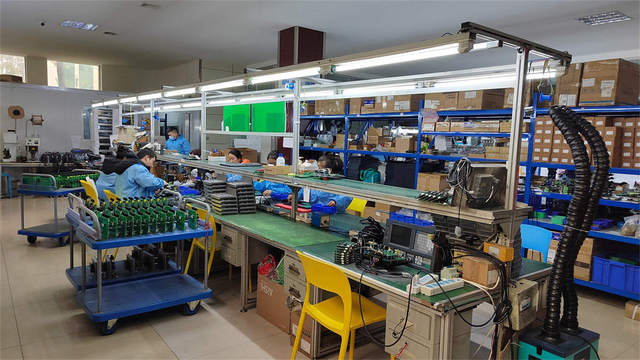
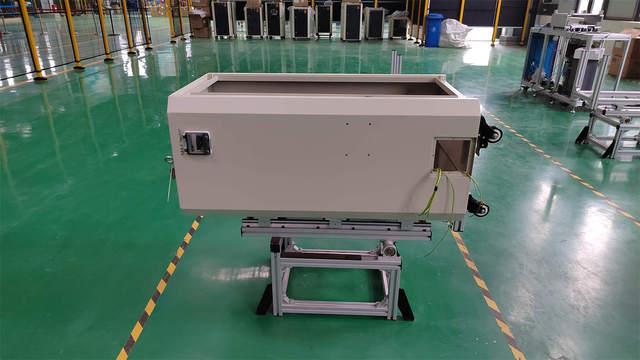
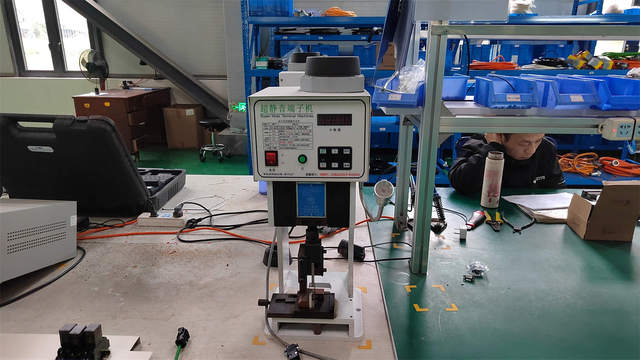
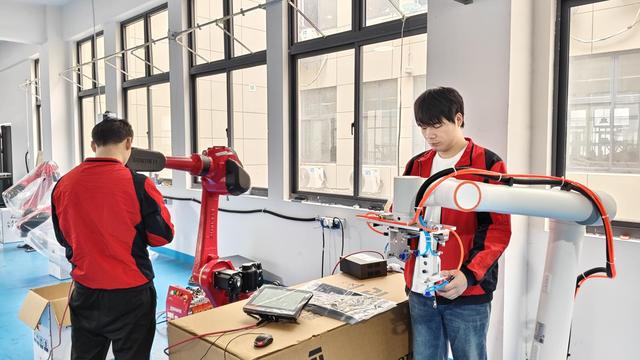
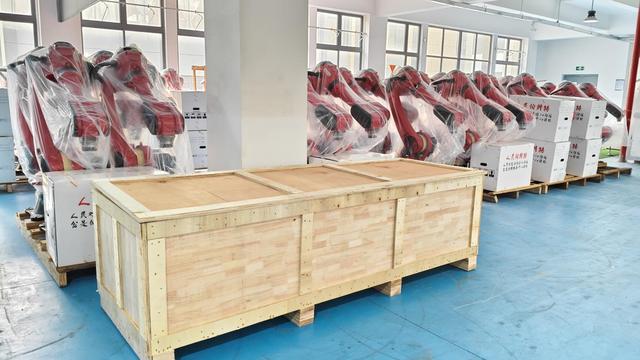
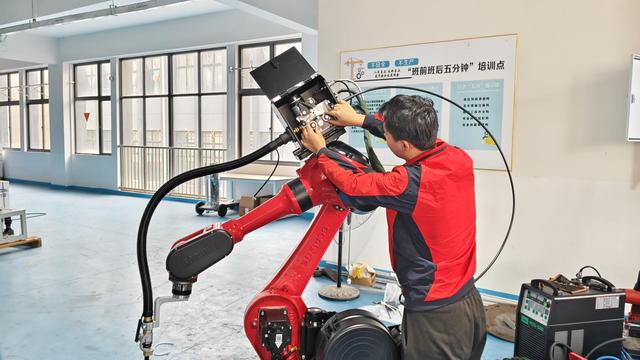
Sandai Robot operates a modern manufacturing facility covering more than 32,000 square meters and employs over 380 experienced engineers, technicians, and production specialists. With 20 automated assembly and testing lines, the company maintains strict quality control procedures throughout design, production, calibration, and final inspection processes. Its annual production capacity exceeds 8,000 industrial robotic welding units, serving customers across automotive manufacturing, metal fabrication, shipbuilding, construction machinery, aerospace components, and heavy industrial equipment sectors.
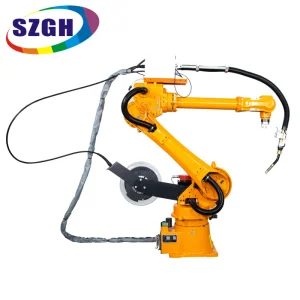
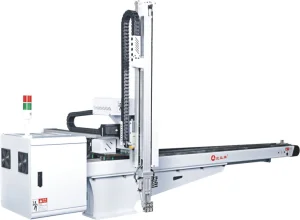
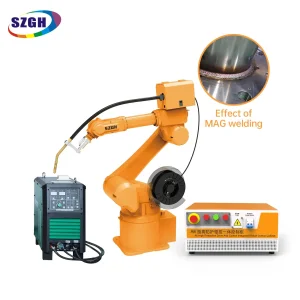
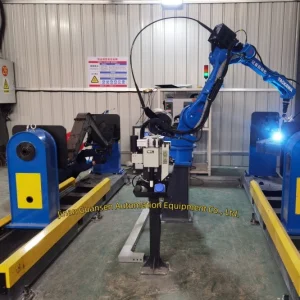
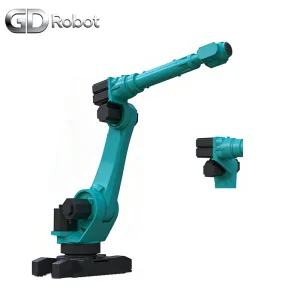
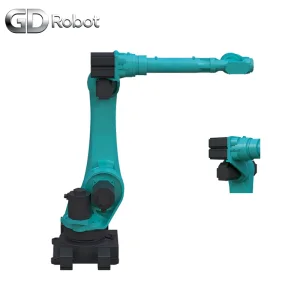
The company’s core product portfolio includes six-axis welding robot arms, collaborative welding robots, laser welding systems, MIG/TIG robotic welding stations, automated welding manipulators, and customized robotic integration solutions. By combining AI visual positioning, servo motion control technology, intelligent path programming, and real-time monitoring systems, Sandai Robot provides high-precision and stable welding performance for complex industrial applications.
Driven by continuous innovation and smart manufacturing development, Sandai Robot invests heavily in robotics research and automation software optimization. The company is committed to helping global manufacturers improve production efficiency, welding consistency, workplace safety, and long-term operational performance through advanced robotic welding technologies and flexible OEM/ODM cooperation services.
 Sandai Robot