High-precision MIG/TIG automation for global industrial exports.
Information Gain: Beyond Basic Robotics—Understanding the Semantic Shift in Smart Manufacturing.
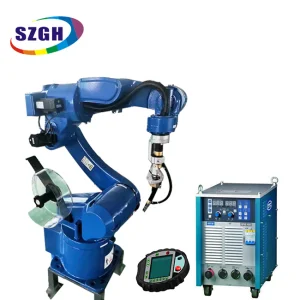
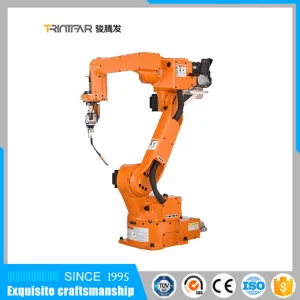
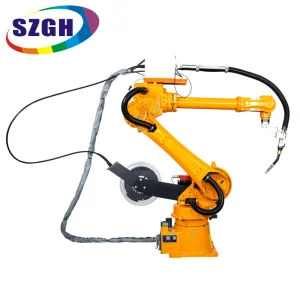
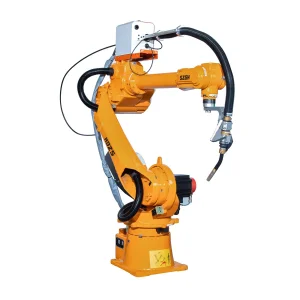
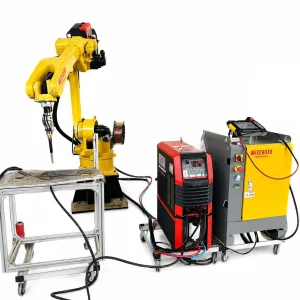
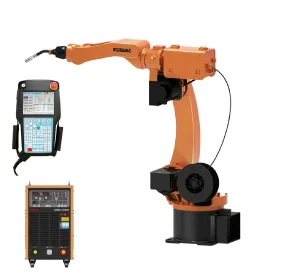
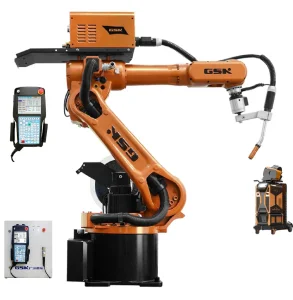
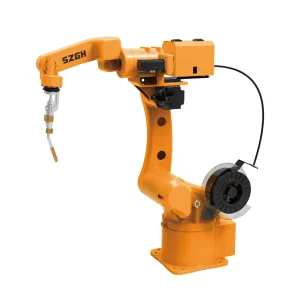
Modern MIG Welding Robot Arms utilize high-torque servo motors and zero-backlash reducers to achieve repeatability of ±0.05mm. This level of precision is critical for industries like aerospace and EV battery tray fabrication where thermal deformation must be minimized through optimized heat input control.
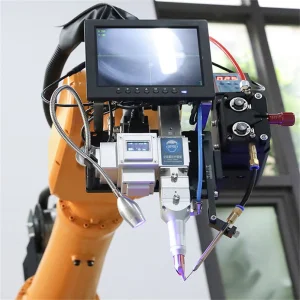
The transition from "Teach-and-Repeat" to Autonomous Path Planning. By integrating laser vision sensors (LVS), robots can now perform real-time seam tracking, automatically adjusting parameters for gap variations in large-scale metal structures.
Shenzhen Sandai's latest 6-axis units reduce energy consumption by up to 30% through kinetic energy recovery systems (KERS) in the servo drives, aligning with global ESG (Environmental, Social, and Governance) manufacturing trends.
How Shenzhen Sandai Robot Co., Ltd. defines the benchmark for quality and scale.
China's Pearl River Delta, specifically Shenzhen, offers the world's highest density of robotics component suppliers. This allows factories like Sandai Robot to source high-grade sensors, precision gears, and specialized welding power sources (like OTC or Miller compatible systems) with zero lead-time friction. This translates to cost-efficiency and rapid R&D cycles that Western manufacturers struggle to match.
As a leading exporter, our robots are not just "low cost." They are engineered to meet European CE and international ISO 9001 standards. We utilize Advanced Servo Motion Control and high-frequency induction heating technologies to ensure durability in harsh 24/7 industrial environments.
Tailored robotic cells for diverse manufacturing landscapes.
Spot and MIG welding for chassis, battery enclosures, and structural pillars. High-speed 6-axis robots ensure structural integrity and crash-test compliance.
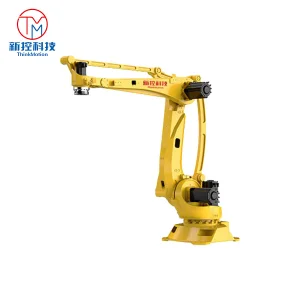
Long-reach (3200mm+) robot arms for welding excavators, cranes, and bridge girders. Capable of handling thick-plate multi-pass welding with deep penetration.
TIG and MIG integration for thin-walled aluminum components, utilizing pulsed arc technology to prevent burn-through while maintaining aesthetic weld beads.
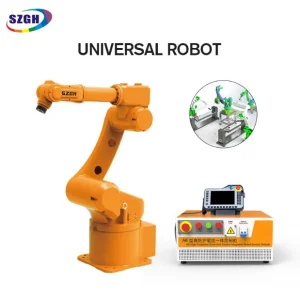
For global distributors, we provide "White Label" robotic stations. This includes custom branding, specialized software interfaces, and localized language support for the controller HMI (Human-Machine Interface).
Authority, Experience, and Global Reach since 2012.
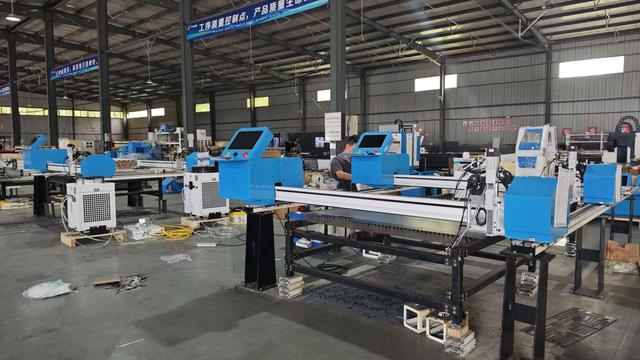
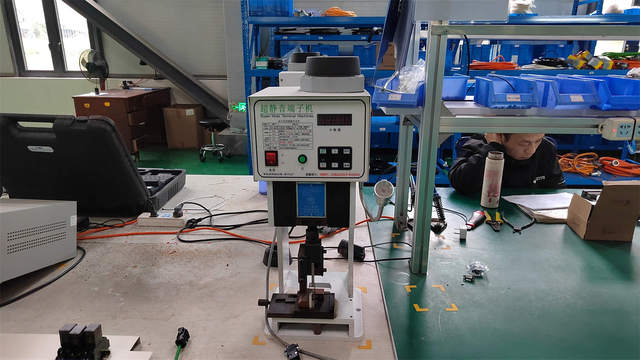
Shenzhen Sandai Robot Co., Ltd. is a professional industrial automation enterprise specializing in the development and manufacturing of welding robot arms, robotic welding systems, and intelligent welding automation solutions for global manufacturing industries. Established in 2012 and headquartered in Shenzhen, China, the company integrates advanced robotics technology, precision engineering, software development, and automated production capabilities to deliver reliable and efficient welding solutions worldwide.
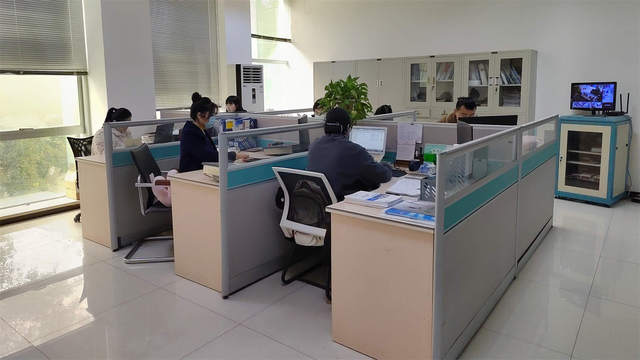
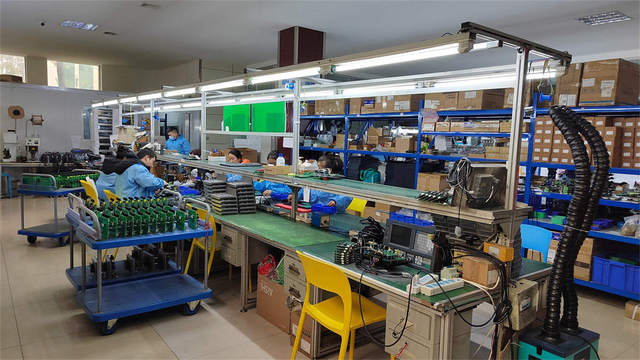
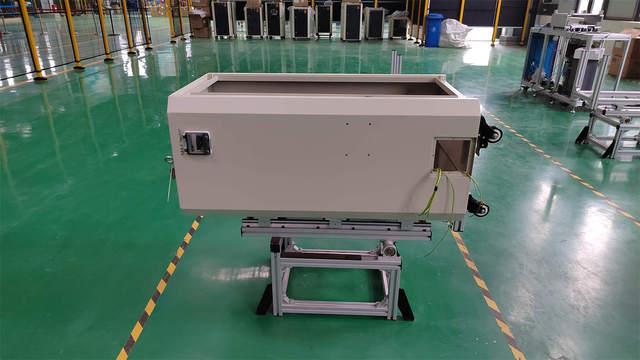
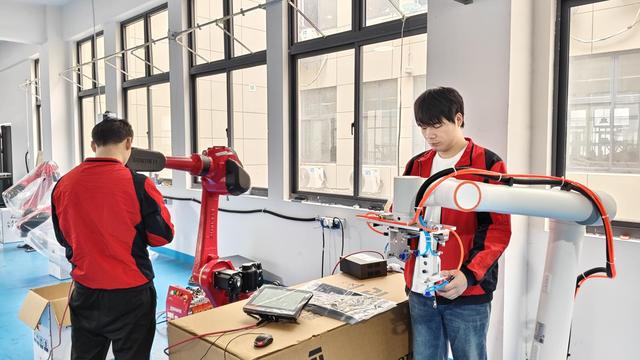
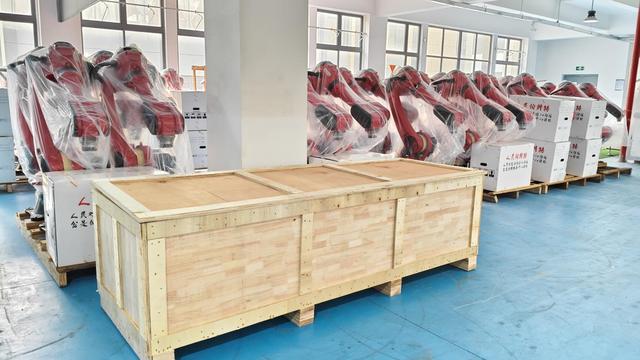
Sandai Robot operates a modern manufacturing facility covering more than 32,000 square meters and employs over 380 experienced engineers, technicians, and production specialists. With 20 automated assembly and testing lines, the company maintains strict quality control procedures throughout design, production, calibration, and final inspection processes. Its annual production capacity exceeds 8,000 industrial robotic welding units, serving customers across automotive manufacturing, metal fabrication, shipbuilding, construction machinery, aerospace components, and heavy industrial equipment sectors.
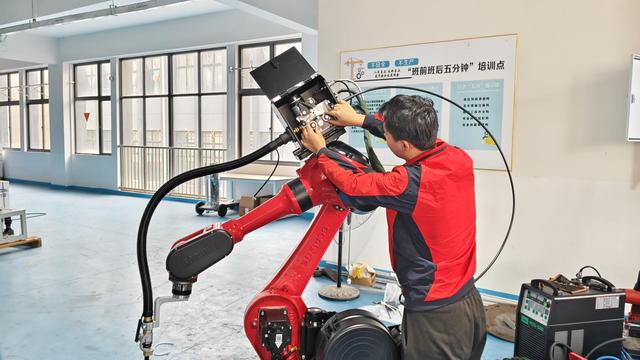
The company’s core product portfolio includes six-axis welding robot arms, collaborative welding robots, laser welding systems, MIG/TIG robotic welding stations, automated welding manipulators, and customized robotic integration solutions. By combining AI visual positioning, servo motion control technology, intelligent path programming, and real-time monitoring systems, Sandai Robot provides high-precision and stable welding performance for complex industrial applications.
Anticipating the next wave of Smart Factory Innovation.
Real-time telemetry and predictive maintenance. Our robots are being equipped with IoT gateways that allow plant managers to monitor duty cycles, gas consumption, and motor health remotely via cloud dashboards.
The rise of robots that work alongside humans without safety fences. This trend lowers the entry barrier for SMEs (Small and Medium Enterprises) who require flexible production layouts.
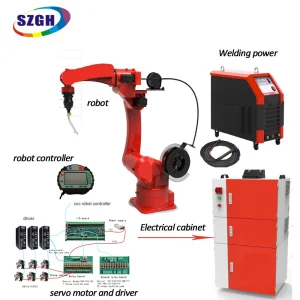
Communication protocols between the robot controller and the welder power source (EtherCAT/Profinet) are becoming more sophisticated, allowing for "micro-second" adjustments to the arc characteristics based on the molten pool's behavior.
Reduction in welding spatter and fumes through advanced wave-control technology. This not only improves air quality in factories but also reduces the post-weld cleaning labor cost.
Expert insights for global procurement and technical evaluation.
Heavy-duty, long-reach, and high-payload robotic excavators.
 Sandai Robot