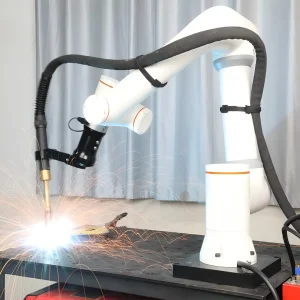
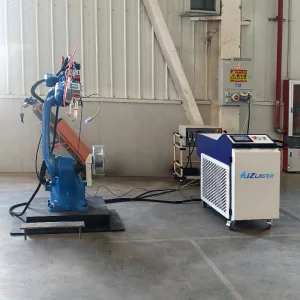
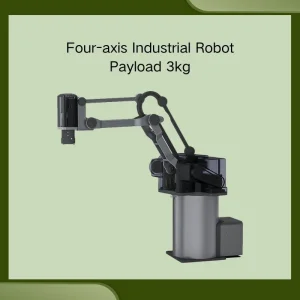
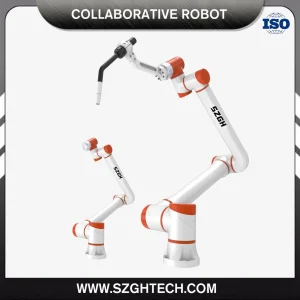
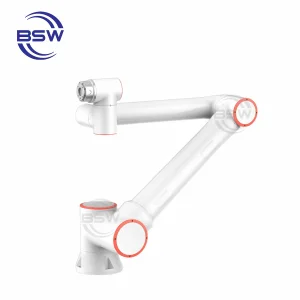
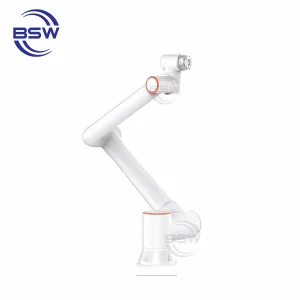
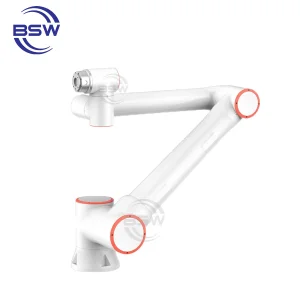
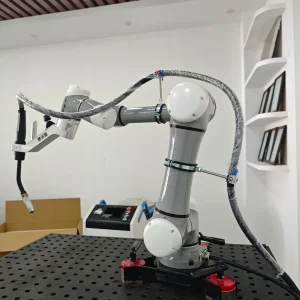
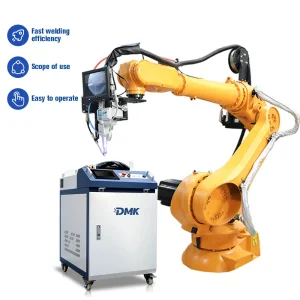
The global manufacturing landscape is undergoing a seismic shift. The transition from traditional, fenced-off industrial robots to Collaborative Robots (Cobots) in the welding sector marks a new era of flexibility and efficiency. Manufacturers and factories worldwide are increasingly adopting collaborative welding robot arms to address the chronic shortage of skilled welders, rising labor costs, and the need for high-precision, repeatable quality.
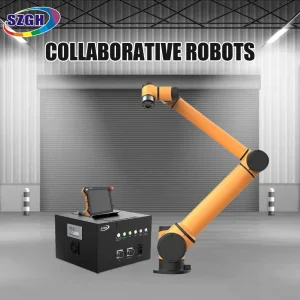
In 2024-2025, the demand for MIG/TIG and Laser welding cobots has surged by over 35% in regions like North America, the EU, and Southeast Asia. Unlike traditional robots, cobots offer a "plug-and-play" experience, allowing human operators to work alongside the machine without safety cages, thanks to integrated torque sensors and power-limiting technology. This democratization of automation allows Small and Medium Enterprises (SMEs) to compete on a global scale.
The modern collaborative welding robot arm is no longer just a mechanical limb; it is a sensor-rich, AI-driven assistant. Leading manufacturers are focusing on several key technical pillars:
Utilizing 3D vision systems to identify seam locations and compensate for part variations in real-time, ensuring zero-defect welding.
"Hand-guiding" teaching allows operators to lead the robot arm through the welding path manually, reducing setup time from hours to minutes.
Compliance with ISO 10218-1 and ISO/TS 15066 standards, featuring redundant force-sensing to prevent accidents during human-robot interaction.
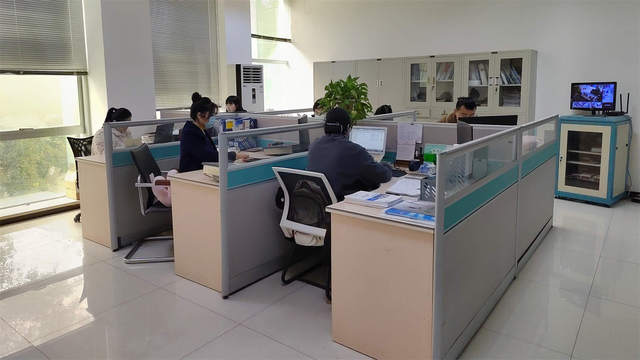
Shenzhen Sandai Robot Co., Ltd. is a professional industrial automation enterprise specializing in the development and manufacturing of welding robot arms, robotic welding systems, and intelligent welding automation solutions for global manufacturing industries. Established in 2012 and headquartered in Shenzhen, China, the company integrates advanced robotics technology, precision engineering, software development, and automated production capabilities to deliver reliable and efficient welding solutions worldwide.
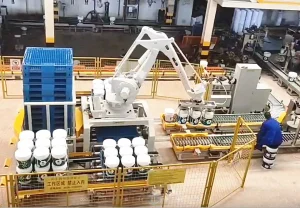
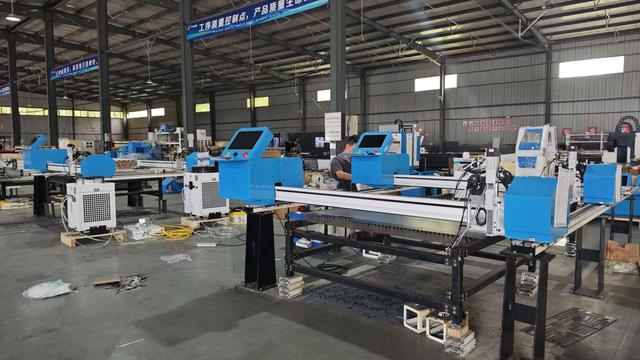
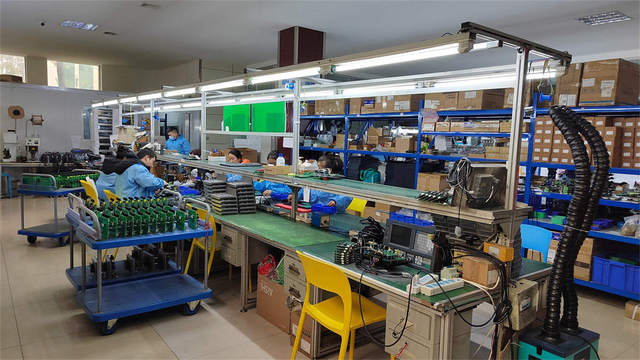
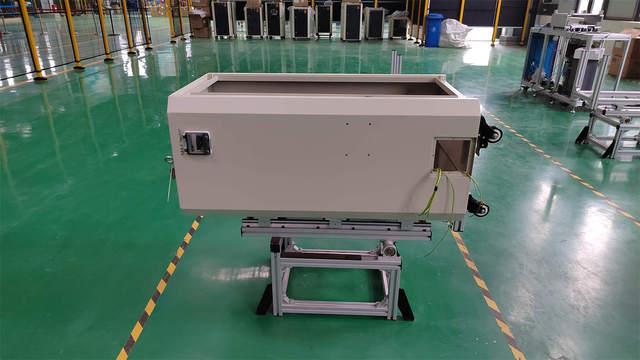
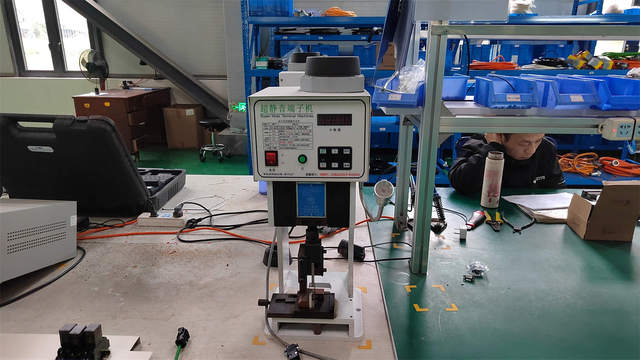
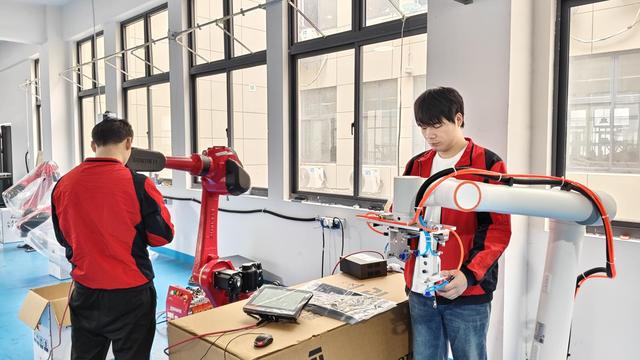
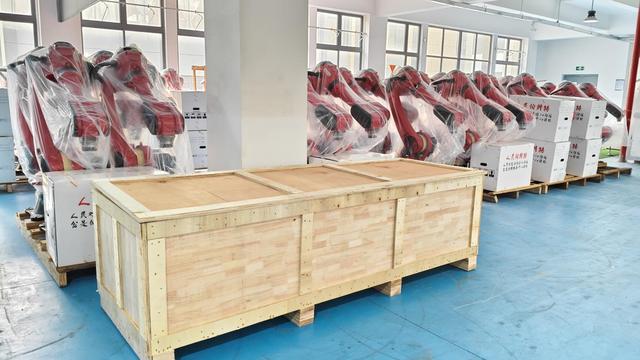
Sandai Robot operates a modern manufacturing facility covering more than 32,000 square meters and employs over 380 experienced engineers, technicians, and production specialists. With 20 automated assembly and testing lines, the company maintains strict quality control procedures throughout design, production, calibration, and final inspection processes. Its annual production capacity exceeds 8,000 industrial robotic welding units, serving customers across automotive manufacturing, metal fabrication, shipbuilding, construction machinery, aerospace components, and heavy industrial equipment sectors.
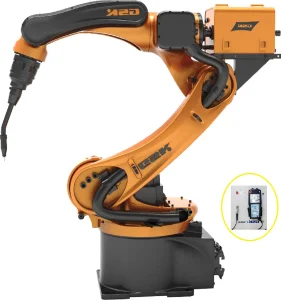
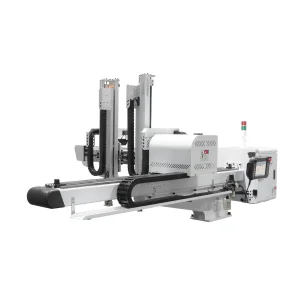
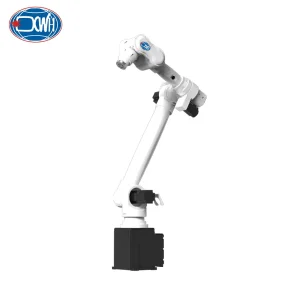
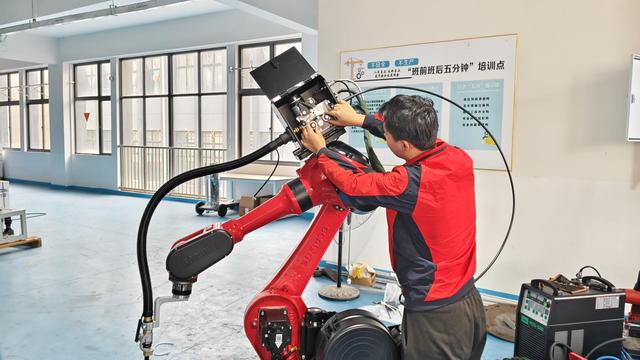
The company’s core product portfolio includes six-axis welding robot arms, collaborative welding robots, laser welding systems, MIG/TIG robotic welding stations, automated welding manipulators, and customized robotic integration solutions. By combining AI visual positioning, servo motion control technology, intelligent path programming, and real-time monitoring systems, Sandai Robot provides high-precision and stable welding performance for complex industrial applications.
As a leading Collaborative Welding Robot Arm Manufacturer, we provide tailored solutions for various high-stakes sectors:
The industry is moving toward "Autonomous Welding." This means robots that can not only follow a path but can also analyze the weld pool in real-time and adjust voltage or wire-feed speed autonomously to maintain perfect penetration. Cloud-connected factories will allow remote monitoring of welding health across multiple global sites, transforming the welding factory into a data-driven ecosystem.
 Sandai Robot