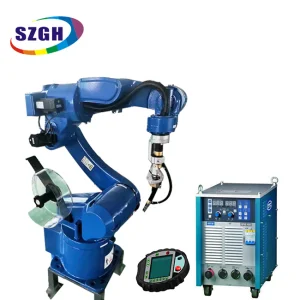
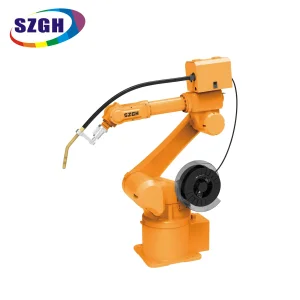
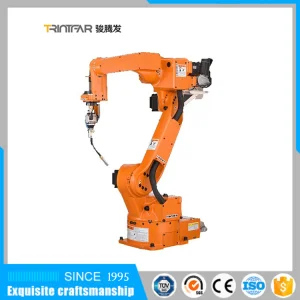
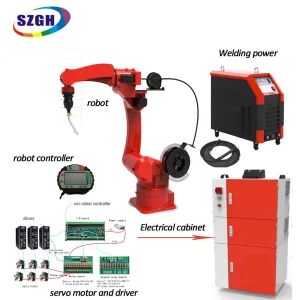
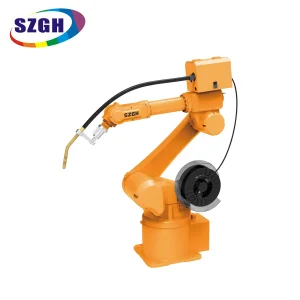
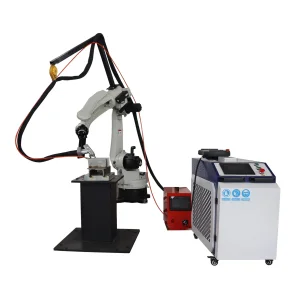
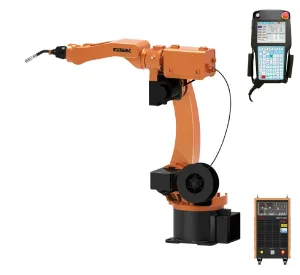
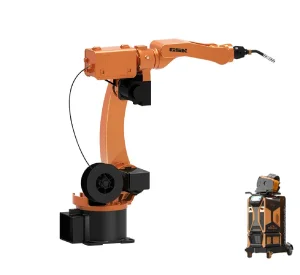
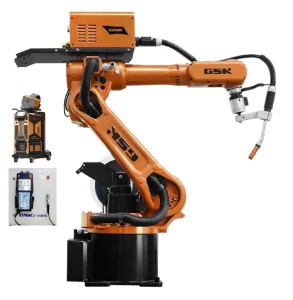
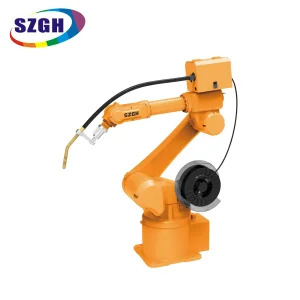
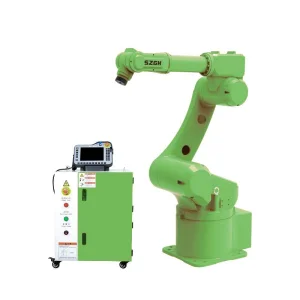
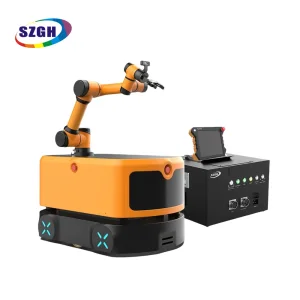
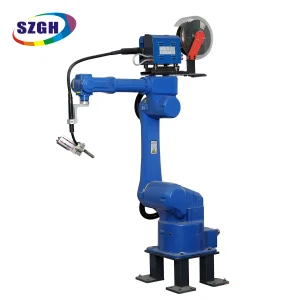
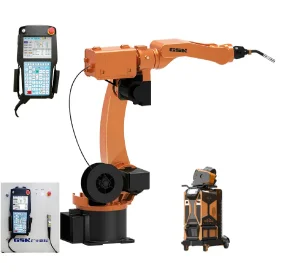
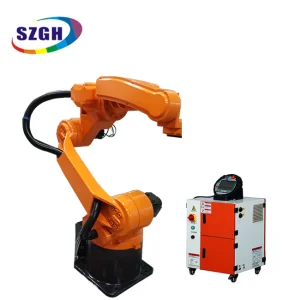
Engineered for extreme accuracy in TIG, MAG, and Laser welding applications.
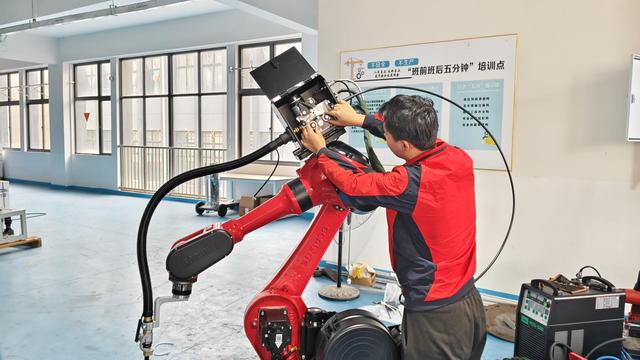
The global manufacturing landscape is undergoing a seismic shift toward autonomous precision engineering. As industries transition from mass production to mass customization, the role of TIG (Tungsten Inert Gas) welding robot arms has evolved from a luxury to a critical operational necessity. Unlike MIG welding, TIG requires an extraordinary level of control over the arc length and filler wire delivery, making high-precision 6-axis robotic arms the preferred choice for stainless steel, aluminum, and titanium fabrication.
Skilled TIG welders are increasingly scarce. Robotic systems provide a 24/7 labor solution, maintaining consistent weld quality without the fatigue-induced errors associated with manual labor.
In sectors like aerospace and medical devices, weld aesthetics and structural integrity are non-negotiable. Modern robotic controllers offer micro-millimeter precision in torch positioning.
With an average payback period of 12-18 months, automated cells increase throughput by up to 300% compared to traditional manual stations.
Shenzhen Sandai Robot Co., Ltd. is a premier industrial automation powerhouse dedicated to the pioneering development of robotic welding ecosystems. Founded in 2012, we have emerged as a leader in the Shenzhen technology corridor, providing high-tier automation to global manufacturing giants. Our expertise lies in the seamless integration of hardware precision and software intelligence.
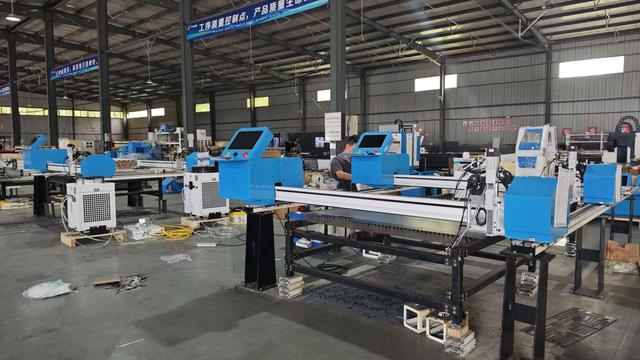
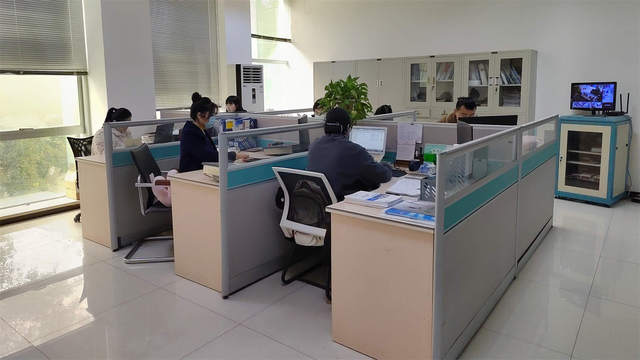
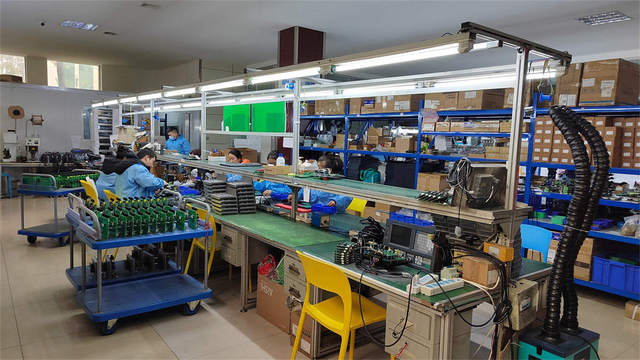
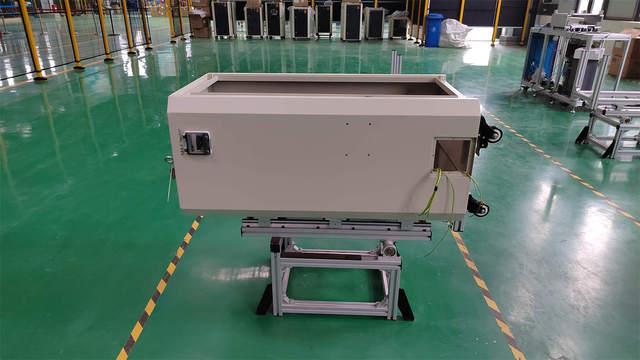
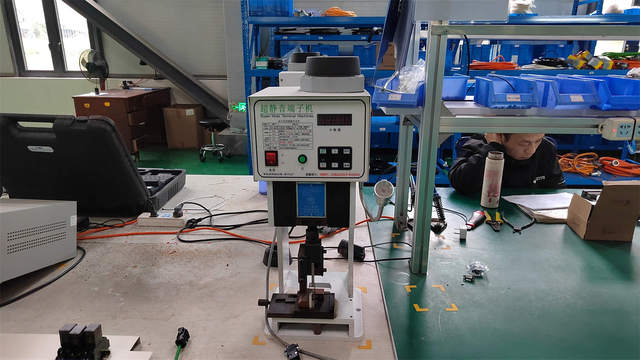
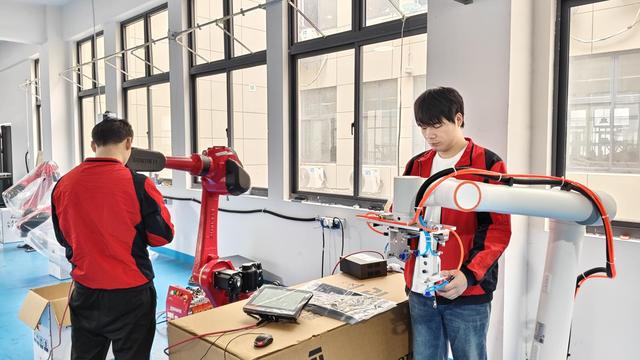
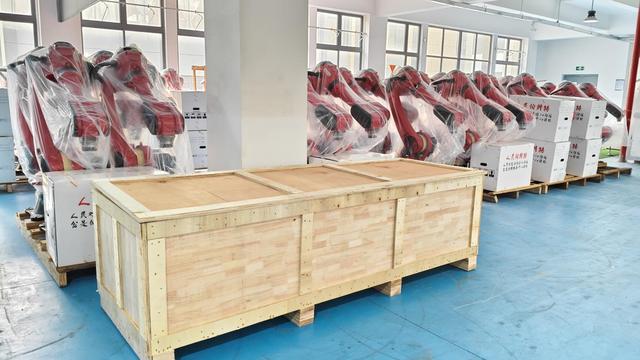
Operating a state-of-the-art facility exceeding 32,000 square meters, Sandai Robot houses 20 specialized assembly lines. Our workforce of 380+ professionals focuses on the convergence of AI visual positioning, servo motion control, and adaptive welding algorithms. From automotive chassis to intricate aerospace components, our systems are designed for reliability in the most demanding industrial environments.
The next decade of welding automation will be defined by "Cognitive Fabrication". Sandai Robot is at the forefront of this evolution, focusing on three core pillars:
Real-time weld seam tracking using 3D laser scanners allows the robot to compensate for material warping or fixture inaccuracies dynamically, ensuring 100% pass rates.
Every robot arm is a data node. By utilizing digital twin technology, we can simulate welding paths in a virtual environment before a single spark is struck, reducing setup time by 70%.
Our SZGH-I10 series represents the future where humans and robots share the workspace without safety cages, combining human intuition with robotic repeatability.
Our R&D efforts are currently focused on High-Frequency (HF) Interference Shielding, a critical technical hurdle in TIG welding. By isolating the robot's control logic from the intense electromagnetic noise of the TIG arc, we provide the most stable 6-axis platform in the industry.
Purchasing an industrial robot is not just a transaction; it's a long-term strategic investment. As leading exporters, we provide comprehensive Localized Support & Compliance Assurance to our partners in Europe, North America, and Southeast Asia.
Specialized configurations for complex manufacturing workflows.
 Sandai Robot