Robotic welding is transforming the manufacturing landscape. Industry experts note a significant rise in its adoption. A report from the International Federation of Robotics states that robotic welding installations increased by 20% in the last year alone. This growth reflects a shift towards automation and efficiency.
Why is robotic welding becoming more popular? "Robotic welding reduces labor costs, increases precision, and improves overall productivity," says Dr. Emily Carson, a robotics specialist at Tech Innovate. Manufacturers face the pressure of global competition. They seek ways to enhance productivity while minimizing costs.
Challenges remain. Initial investment can be high, and workforce training is essential. Yet, the benefits often outweigh these drawbacks. It prompts businesses to reconsider traditional methods of production. Embracing robotic welding could be crucial for future success in a fast-evolving market.
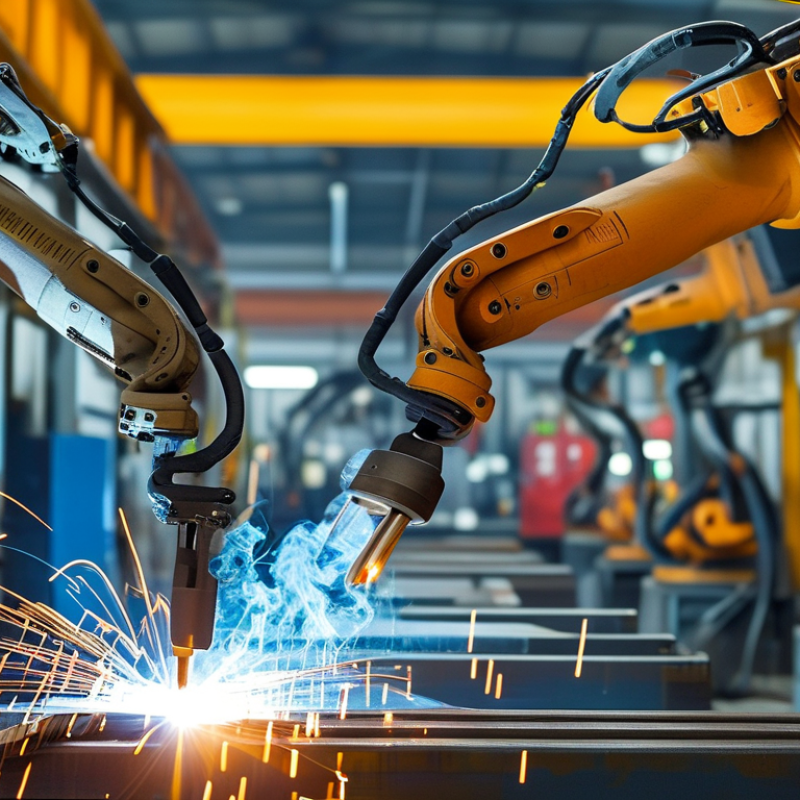
Robotic welding technology has significantly evolved over the past few decades. Once considered a novelty, it now plays a critical role in modern manufacturing. Recent industry reports indicate that robotic welding applications have increased by over 30% in the automotive sector alone since 2018. This growth is driven by the need for higher precision and efficiency in production lines. Traditional welding methods often suffer from inconsistencies and require skilled labor. In contrast, robotic systems deliver repeatable quality with reduced error rates.
The advancements in artificial intelligence and machine learning are contributing to this trend. Many robotic welding setups can now adapt to changing conditions in real time. According to a study by the International Federation of Robotics, manufacturers implementing these technologies have seen productivity gains of up to 25%. However, challenges remain. Initial setup costs can be high, and not all operations yield immediate returns. There is ongoing debate about the impact of automation on jobs. While robots can improve output, they also create a skills gap in the workforce.
As robotic welding continues to gain traction, it reflects a broader shift in manufacturing techniques. The industry is moving toward more automated solutions that promise efficiency. Yet, the balance between innovation and workforce implications is an ongoing concern. Manufacturers must navigate this landscape carefully, weighing the benefits against potential labor issues and training needs.
Robotic welding is rapidly transforming the manufacturing landscape. Its rise in popularity stems from several key advantages over traditional methods. Efficiency is one of the most significant factors. A report by the International Federation of Robotics indicates that robotic welding can increase productivity by up to 30% compared to manual welding. This boost in speed allows manufacturers to meet higher demands with fewer resources. Additionally, robotic systems maintain precise consistency, reducing the likelihood of defects in the finished product.
Accuracy matters immensely in manufacturing. Robotic welders can work within tolerances as tight as one millimeter, which is hard to achieve with human welders. This level of precision enhances overall product quality. Furthermore, robotic welding reduces occupational risks. It takes on hazardous tasks, thereby minimizing worker exposure to dangerous environments. This shift not only leads to fewer accidents but also improves morale on the shop floor.
Tip: Invest in training for staff who oversee robotic systems. Understanding how to manage and maintain robots will help extend their lifespan and keep operations running smoothly.
However, automation comes with challenges. The initial setup cost for robotic systems can be significant. Smaller companies may struggle to justify this investment. Reflecting on your company’s specific needs is essential before making this leap. Ongoing maintenance and the potential for technology obsolescence also require consideration. Balancing these aspects is crucial for effective implementation in any manufacturing setting.
| Advantages | Robotic Welding | Traditional Welding |
|---|---|---|
| Speed | High | Moderate |
| Precision | Very High | Variable |
| Labor Costs | Reduced | Higher |
| Safety | Enhanced | Risky |
| Material Versatility | Wide Range | Limited |
| Production Consistency | High | Inconsistent |
Robotic welding is transforming several industries, especially automotive and manufacturing. The automotive sector has been at the forefront, utilizing robotic welding to enhance production speed. According to a report by ResearchAndMarkets, the automotive robotics market is projected to reach $20 billion by 2025. This significant growth is fueled by the need for precision and efficiency in assembling complex structures.
Additionally, the aerospace industry is embracing robotic welding. Advanced materials demand careful handling and perfect joints, where robots excel. A study by MarketsandMarkets indicates that the aerospace robotics market is expected to grow at a CAGR of 12% from 2021 to 2026. However, the integration of robotic welding is not without challenges. Effective training and adaptation to new technologies can become barriers for some manufacturers.
Even in industries like construction and shipbuilding, robotic welding is gaining traction. The ability to improve safety by reducing human exposure to hazardous environments is a crucial benefit. Yet, the high initial setup costs can deter smaller players. As companies weigh the advantages and potential risks, many still find robotic welding to be a worthwhile investment. The evolving landscape continues to pose both opportunities and challenges for various sectors.
Robotic welding is becoming more common in manufacturing. However, implementing such systems presents notable challenges. One significant concern is the high initial cost. Companies must invest in equipment and training for effective operation. This financial burden can deter smaller manufacturers from making the leap.
Another challenge involves the integration of robotic systems into existing workflows. Many factories operate on established processes. Introducing robots may disrupt these routines, which can lead to temporary losses in productivity. Additionally, staff may need time to adjust. Change can be uncomfortable, and resistance from employees is common when technology replaces manual labor.
Maintenance is another aspect to consider. Robotic welding systems require regular upkeep to function optimally. This often involves specialized knowledge that not all staff possess. Inadequate maintenance can result in downtime and costly repairs. Each challenge presents an opportunity for reflection and growth. Adapting to robotic welding requires planning and a commitment to continuous improvement.
Robotic welding is evolving rapidly. The market is projected to grow significantly. A report from Grand View Research states it will reach $4.3 billion by 2027. This growth rate reflects a 6.8% CAGR, indicating strong industry demand.
Several trends are fueling this momentum. The integration of AI and machine learning enhances precision. These technologies reduce errors and improve output quality. Industry players increasingly recognize the need for automation. A McKinsey report shows that up to 60% of manufacturing tasks could be automated. It highlights not just the efficiency but also the resilience against labor shortages.
Nevertheless, challenges remain. Skills gaps pose a barrier to widespread adoption. Companies may face difficulties in training their workforce. Additionally, initial investments can be substantial. However, with the long-term benefits of robotic welding, many find it a worthwhile investment. The potential for innovation in welding applications is vast, yet firms must navigate these issues carefully.
: Robotic welding enhances precision and efficiency. It's now critical in modern production processes.
Robotic welding applications in the automotive sector have grown over 30% since 2018.
The need for higher precision, efficiency, and adaptability in production lines fuels this growth.
High setup costs and the need for specialized training can deter manufacturers, especially smaller ones.
AI allows systems to adapt to changing conditions in real time, improving overall productivity.
Integration into existing workflows can disrupt routines and lower productivity during the transition.
Yes, automation can create a skills gap, leading to debates about the impact on jobs.
Employees may resist change due to discomfort with replacing manual labor with technology.
Regular maintenance is crucial; inadequate upkeep can result in costly downtime and repairs.
Automotive, aerospace, construction, and shipbuilding are all benefiting from robotic welding advancements.
Robotic welding is gaining prominence in the manufacturing sector due to its innovative evolution over recent years. As industries seek greater efficiency and precision, robotic systems offer significant advantages over traditional methods, including higher productivity, improved weld quality, and reduced labor costs. Key sectors such as automotive, aerospace, and heavy manufacturing are reaping the benefits of these advancements, allowing them to enhance operations and maintain competitive advantages.
Despite the clear benefits, companies face challenges in implementing robotic welding systems, including upfront costs and the need for skilled operators. However, as technology continues to advance, future trends indicate a shift towards greater automation, integration with AI, and increased versatility in applications. This brings us to the crux of the question: why is robotic welding becoming more popular? The answer lies in its ability to meet the evolving demands of the manufacturing industry while addressing the challenges of efficiency and quality in production processes.

Sandai Robot