Welding robot arms play a crucial role in modern manufacturing. They enhance productivity and precision but come with safety concerns. This brings us to an important question: what safety systems do welding robot arms use? Understanding these systems is vital for ensuring a safe working environment.
These robotic arms are often fitted with various safety features. Some include light curtains, which detect obstructions. Others use safety scanners that monitor their surroundings. Additionally, emergency stop buttons are standard on most units. These systems help mitigate risks during operation.
However, not all robotic systems are flawless. Some users may overlook routine maintenance. This oversight can lead to malfunctions, compromising safety. Regular checks and updates are essential for reliability. Despite advancements, challenges remain in fully securing every aspect of operation. Understanding what safety systems do welding robot arms use can lead to better practices and improved outcomes in industrial settings.
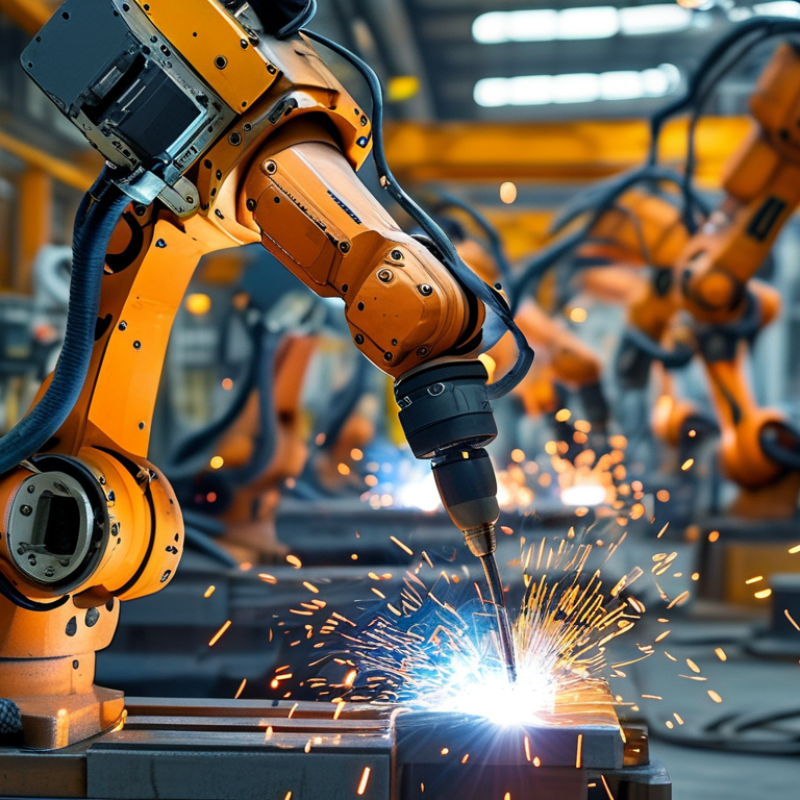
Welding robot arms are increasingly prevalent in automotive and manufacturing sectors. Safety systems are crucial to ensure smooth operations and to protect both workers and equipment. According to industry research, up to 30% of welding injuries occur due to mechanical failures or human error. Effective safety measures can significantly reduce these incidents.
One of the primary safety systems utilized in welding robots is collision detection. This system uses sensors to identify any unexpected objects in the robot's path. If a collision is imminent, the robot can halt its operation immediately. An analysis indicates that facilities employing collision detection experience 40% fewer accidents.
Another vital safety feature is the emergency stop button, which allows operators to halt all robot activity instantly in critical situations. While this seems simple, studies have shown that proper training on its use can improve response time and effectiveness. Despite advances in technology, human oversight remains essential. Many organizations report that ongoing operator training can lead to a more functional safety culture.
In the realm of robotic welding, safety mechanisms are critical. The American Welding Society reports that over 80% of welding injuries can be mitigated with proper safety systems. These systems not only protect human operators but also enhance the efficiency of automated processes. Welding robot arms, working in environments filled with hazards, must be equipped with reliable safety mechanisms.
Key systems include emergency stop functions, safety mats, and light curtains. Emergency stops allow immediate cessation of operations. This is crucial in preventing accidents. Safety mats can detect the presence of personnel and halt the machine if someone enters the workspace. Light curtains act as a barrier, stopping the machines when someone approaches dangerously close. These systems need constant assessment for effectiveness.
According to a study by the International Organization for Standardization, regular audits on safety features can improve incident response by up to 30%.
Yet, even with the best systems, challenges remain. Human error continues to be a significant risk factor. Training programs must constantly evolve to address this. Continuous improvements and user feedback can help refine these systems. The industry must prioritize not only technology but also human factors in safety planning. Each oversight could lead to severe consequences, emphasizing the importance of vigilance in maintaining safety protocols.
The safety of welding robot arms relies heavily on effective collision prevention. One key feature is the use of advanced sensors. These sensors can detect nearby objects and stop the robot's movement instantly. This quick response is crucial. It minimizes risks to both the equipment and nearby workers.
Another important measure is the implementation of soft limits. By establishing zones that robots cannot enter, risks of collisions are reduced. These predefined areas keep the robot within safe boundaries. That said, adjustments to these zones need constant evaluation. Robot arms might shift over time, making previous limits obsolete.
Lastly, programming collision detection algorithms enhances safety protocols. These systems learn from past interactions and adjust accordingly. However, they are not foolproof. Continuous monitoring and updates are necessary to ensure robust safety. As technology evolves, regular assessments will be vital to keep these safety systems effective and reliable.
In the world of automation, emergency shutdown systems for welding robots are crucial. These systems minimize accidents and protect workers. The design of the emergency shutoff must allow for quick response during unforeseen situations. Using visual indicators and simple interfaces helps operators identify issues instantly.
Tips: Regularly test your emergency shutdown systems. This ensures they function properly when needed. Create a checklist for operators to follow.
Training is vital. Workers should be well-versed in emergency protocols. Understanding the shutdown process builds confidence. Frequent drills keep the procedures fresh in everyone's mind.
Tips: Use simulations to enhance training. This prepares the team for real-life scenarios. Evaluate the effectiveness of training sessions for continuous improvement.
In today's fast-paced manufacturing environments, reliability is non-negotiable. Install redundant emergency systems for added security. This not only safeguards employees but also prevents costly downtime.
The integration of sensor technologies in welding robot arms is crucial for enhancing safety. Data from the International Federation of Robotics indicates that as of 2022, nearly 58% of industrial robotic accidents are due to human-robot interactions. This statistic highlights an urgent need for robust safety systems.
Laser sensors are instrumental in ensuring safety. These devices can detect human presence within a specified range. When an operator enters the danger zone, the robot can pause its operation, thereby avoiding potential harm. Proximity sensors play a similar role, acting as a buffer zone. They alert the system before a possible collision occurs. Studies show that robots equipped with these sensors can reduce accident rates by up to 30%.
Another innovative approach is the use of vision systems. Cameras and AI algorithms help in identifying obstacles in real time. If a foreign object enters the workspace, the robot can immediately halt operations. However, not all setups utilize these technologies effectively. Some industries lack adequate training on interpreting sensor data, leading to lapses in safety protocols. The successful amalgamation of sensor technologies is still a work in progress. Further research into these systems is essential for evolving workplace safety standards.
: They minimize accidents and protect workers during unforeseen situations.
Visual indicators and simple interfaces allow for instant problem recognition.
Regularly test the systems and create checklists for operators to follow.
Proper training builds confidence in emergency protocols and the shutdown process.
Use simulations to prepare teams for real-life situations and assess training effectiveness.
Reliability is essential, and redundant emergency systems provide extra security.
They detect human presence and can pause robot operations to prevent harm.
They identify obstacles in real time, allowing robots to halt operations if necessary.
Lack of training on interpreting sensor data can lead to safety protocol lapses.
Further research and improvement are essential for enhancing workplace safety standards.
Welding robot arms are equipped with various safety systems designed to protect both the machinery and the operators. Understanding what safety systems do welding robot arms use is crucial for ensuring a secure working environment. These systems include advanced collision prevention features, which utilize sensors and algorithms to detect potential obstacles and prevent accidents. Emergency shutdown systems are also implemented, allowing for immediate cessation of operations in case of critical failures or emergencies, thereby minimizing risks.
The importance of these safety mechanisms cannot be understated, as they enhance the safety of automated welding processes. Sensor technologies play a vital role in identifying hazards and ensuring that operations are conducted safely. By integrating these safety systems, robotic welding not only boosts productivity but also prioritizes the well-being of personnel, making it an essential aspect of modern manufacturing practices.

Sandai Robot