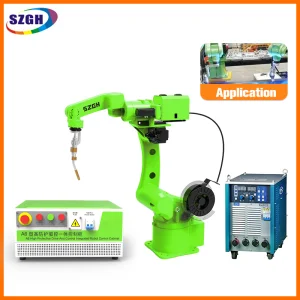
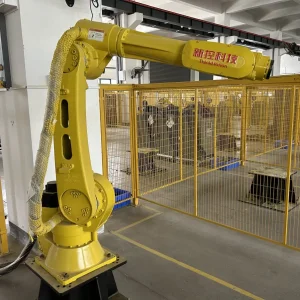
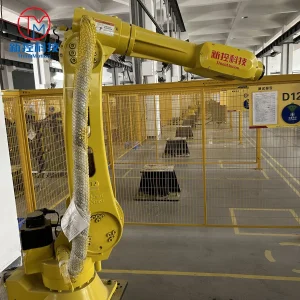
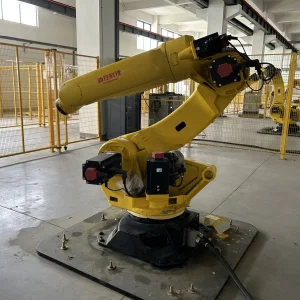
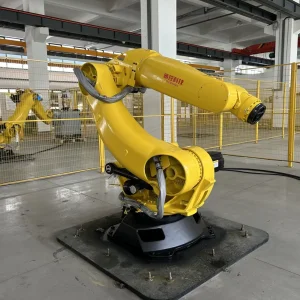
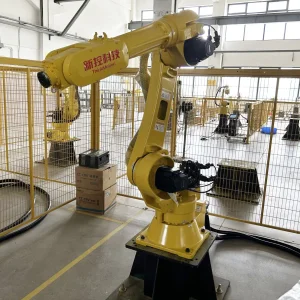
Engineered for high-duty cycles and precision in Seoul, Ulsan, and Gyeonggi-do manufacturing hubs.
South Korea stands as the world leader in robot density, with manufacturing sectors increasingly turning to Automated Arc Welding Arms to combat a shrinking labor force and rising operational costs. As the home of global giants like Hyundai, Kia, and Samsung Heavy Industries, the demand for high-tier welding precision is non-negotiable.
The global welding robot market is projected to grow at a CAGR of 10.5% through 2030. The shift from manual metal arc welding (MMAW) to Gas Metal Arc Welding (GMAW/MIG/MAG) via robotic arms is driven by the need for 24/7 productivity and superior weld seam aesthetics.
Emerging trends include AI-driven vision systems for real-time weld tracking and "Cobots" (Collaborative Robots) that work alongside human operators in Tier-2 and Tier-3 automotive supplier facilities.
Headquartered in the global tech hub of Shenzhen, Sandai Robot Co., Ltd. leverages the world’s most robust electronics and robotics supply chain to offer Korean enterprises a distinct "Information and Cost Gain." Our integration of AI visual positioning and advanced servo motion control allows our automated welding arms to match or exceed the performance of Western counterparts at a significantly optimized ROI.
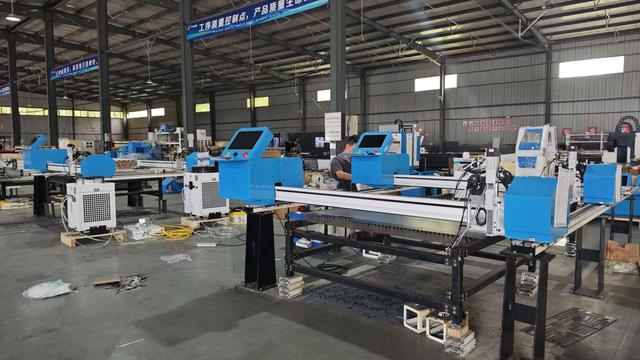
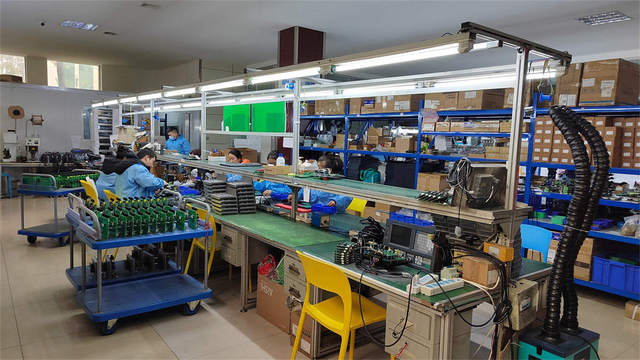
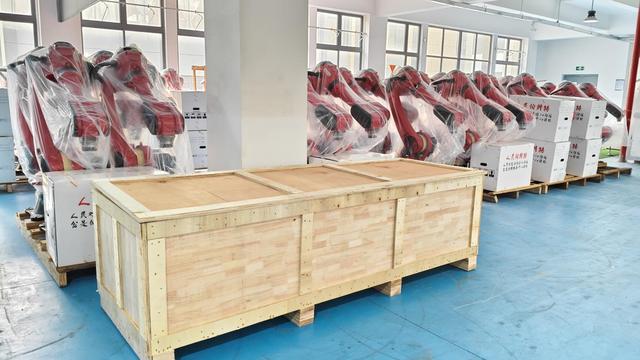
Our 20 automated assembly lines ensure that orders for the Korea market are fulfilled within weeks, not months, minimizing downtime for K-Industrial upgrades.
Certified ISO9001 systems and rigorous calibration processes ensure that every 6-axis arm exported to Korea meets the highest safety and durability standards.
We provide localized documentation and remote technical support specifically tailored for Korean engineering teams using advanced path programming.
Small-to-medium enterprises (SMEs) in Daegu utilize our 4-axis and 6-axis arms for rapid prototyping and batch welding of metal furniture and construction components, reducing labor costs by up to 60%.
In the demanding environment of shipbuilding, our heavy-duty arc welding robots provide consistent penetration and weld strength, crucial for hull structural integrity under maritime stress.
With Korea's dominance in the EV battery sector (LG Energy Solution, SK On), our laser and arc welding systems are perfect for thin-plate welding of battery casings and cooling systems.
Welding of complex steel structures for Busan’s skyline requires the precision of our AI-assisted robot arms to ensure seismic resistance and longevity.
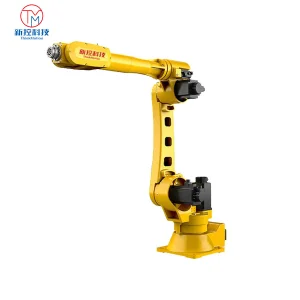
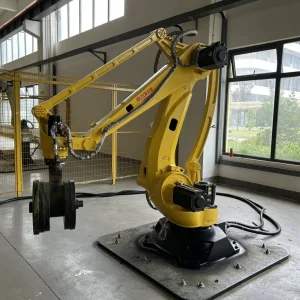
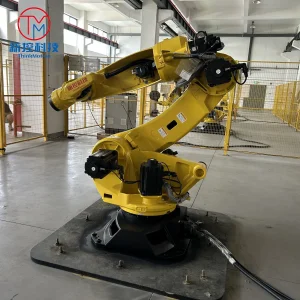
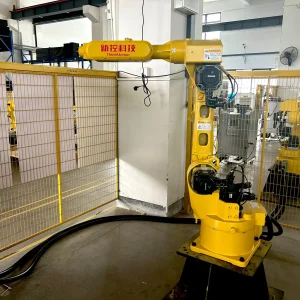
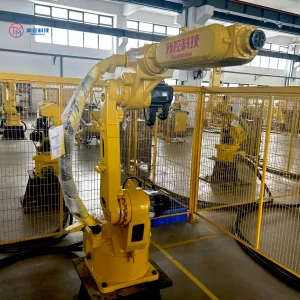
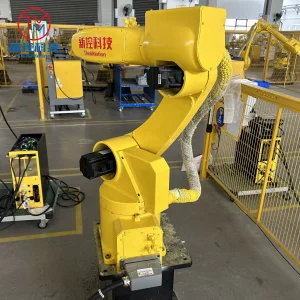
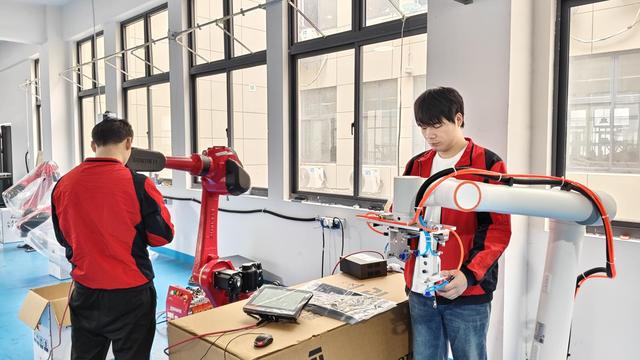
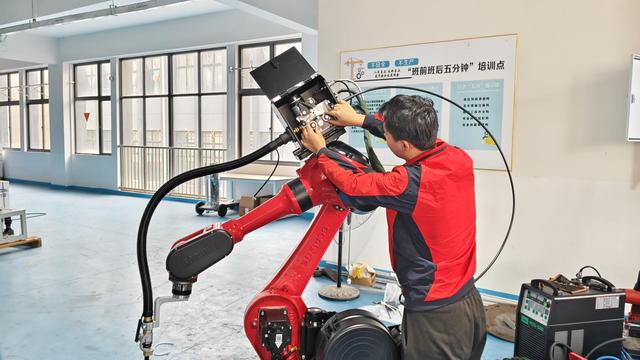
Diverse multi-axis configurations designed for diverse manufacturing workflows.
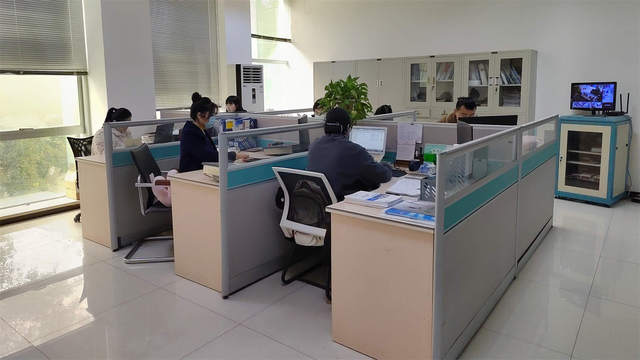
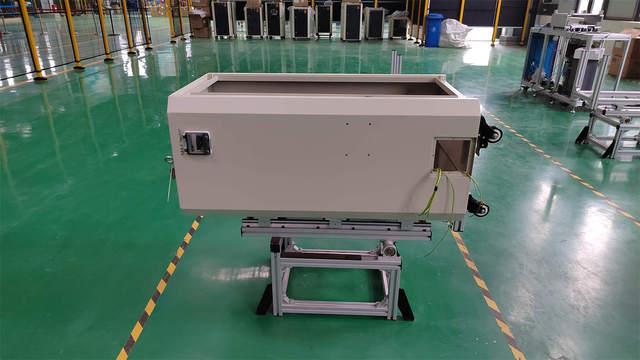
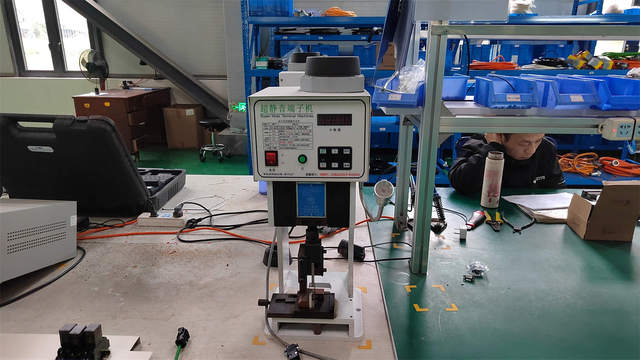
Inside Sandai Robot Co., Ltd.'s state-of-the-art Shenzhen facility.
Shipments to major ports like Busan or Incheon typically take 3-7 days via sea freight. For urgent integration, air freight can deliver units to Incheon International Airport within 48 hours.
Yes, our intelligent control software supports multiple languages, including English and Korean, ensuring that local operators can program paths with minimal training.
We provide comprehensive online diagnostic support and have a network of technical partners in Gyeonggi-do for on-site maintenance and spare part supply.
Our systems are designed with high compatibility using industrial standard protocols (Modbus, EtherCAT), making them easy to integrate into existing production lines in Korea.
Given the current labor rates in Korea, most of our clients achieve full ROI within 12 to 18 months through labor savings, reduced material waste, and increased throughput.
 Sandai Robot