As Vietnam solidifies its position as a global manufacturing powerhouse, particularly in the wake of the "China Plus One" strategy, the industrial landscape is undergoing a radical transformation. The traditional reliance on manual labor is being challenged by rising labor costs, a shortage of highly skilled welders, and the increasing demand for precision and consistency in export-grade products.
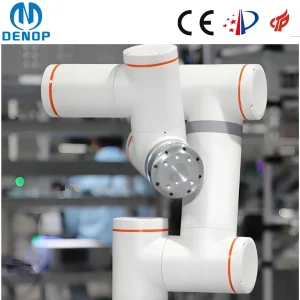
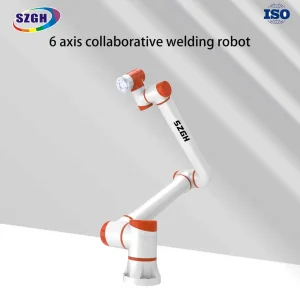
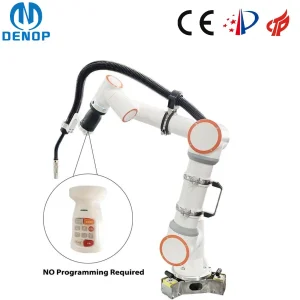
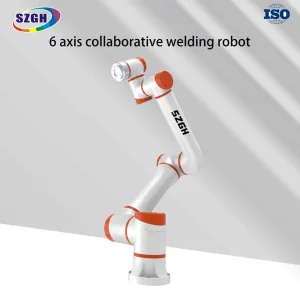
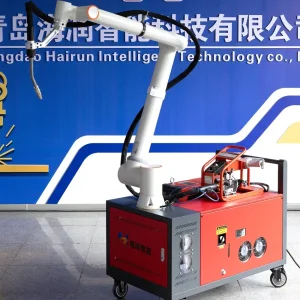
Industrial Welding Cobots (Collaborative Robots) have emerged as the cornerstone of this evolution. Unlike traditional industrial robots that require extensive safety cage infrastructure and complex programming, cobots are designed to work alongside human operators in Vietnam's diverse factory environments—from the sprawling industrial zones of Binh Duong and Dong Nai to the precision manufacturing hubs in Bac Ninh and Hai Phong.
Globally, the welding robot market is projected to reach USD 11.5 billion by 2028. The trend is moving away from "fixed automation" toward "flexible automation." Collaborative robots are at the forefront of this, offering ease of deployment (Low-Code/No-Code programming), mobility, and high adaptability to small-batch, high-mix production cycles.
In Vietnam, the current industrial maturity varies. Large-scale enterprises like VinFast or Samsung Vietnam suppliers have already integrated high-level robotics. However, the true growth potential lies in Vietnam's SMEs (Small and Medium Enterprises) that produce metal furniture, fitness equipment, and construction components. These businesses require solutions that are:
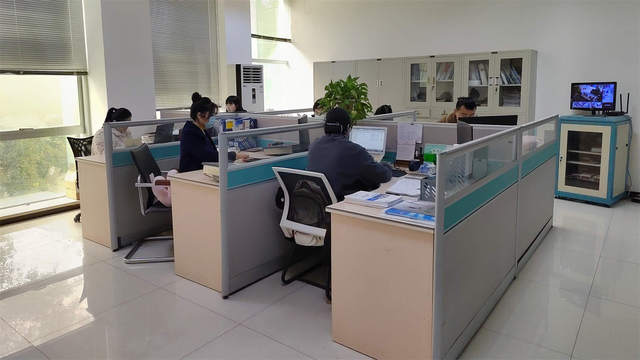
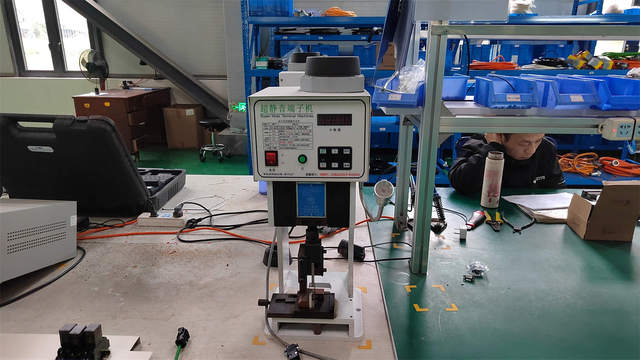
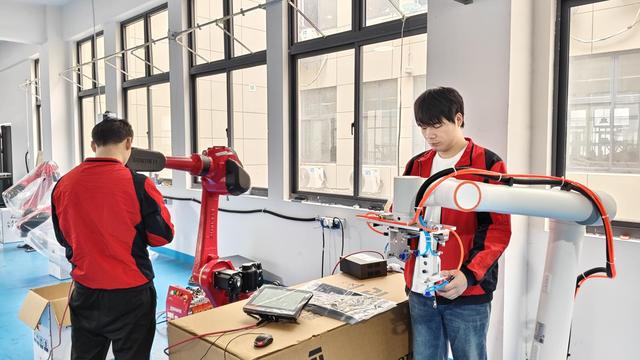
Shenzhen Sandai Robot Co., Ltd. is a professional industrial automation enterprise specializing in the development and manufacturing of welding robot arms, robotic welding systems, and intelligent welding automation solutions for global manufacturing industries. Established in 2012 and headquartered in Shenzhen, China, the company integrates advanced robotics technology, precision engineering, software development, and automated production capabilities to deliver reliable and efficient welding solutions worldwide.
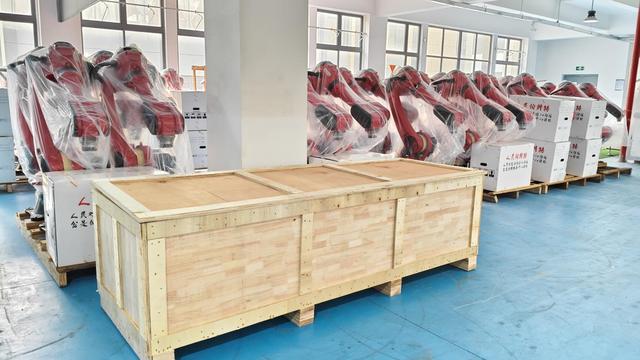
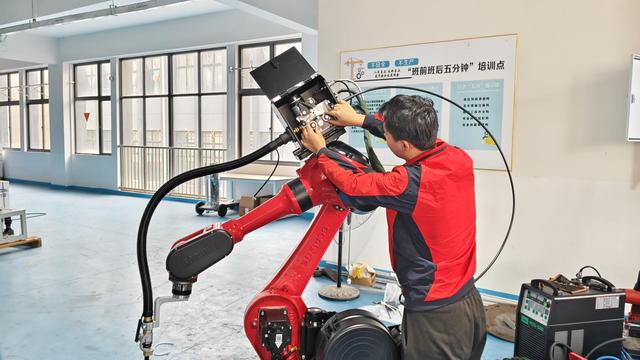
Sandai Robot operates a modern manufacturing facility covering more than 32,000 square meters and employs over 380 experienced engineers, technicians, and production specialists. With 20 automated assembly and testing lines, the company maintains strict quality control procedures throughout design, production, calibration, and final inspection processes. Its annual production capacity exceeds 8,000 industrial robotic welding units, serving customers across automotive manufacturing, metal fabrication, shipbuilding, construction machinery, aerospace components, and heavy industrial equipment sectors.
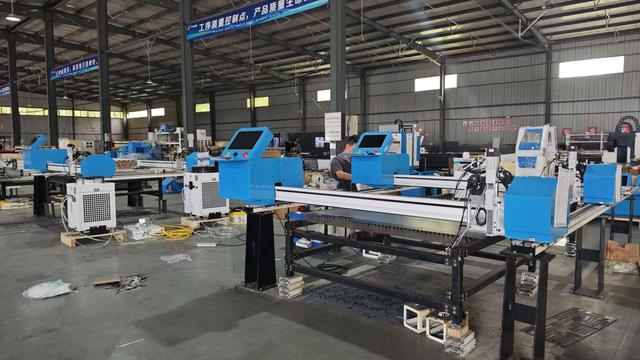
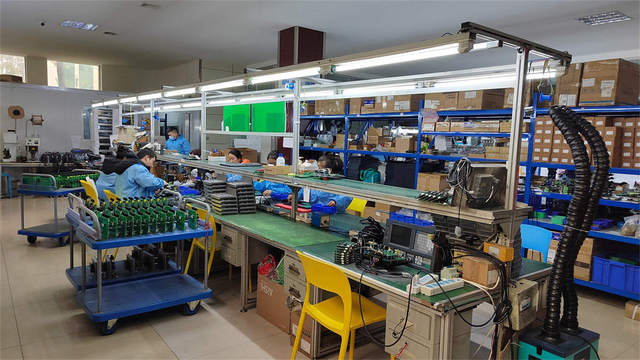
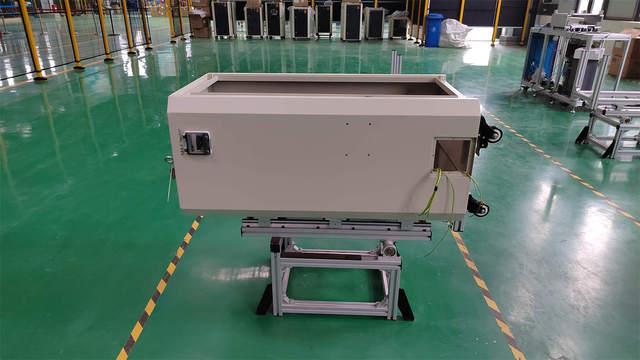
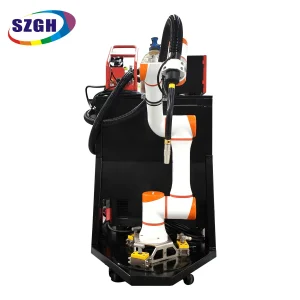
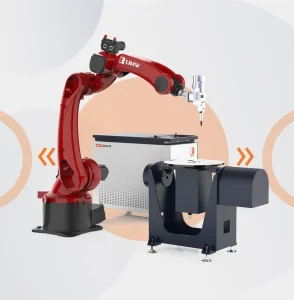
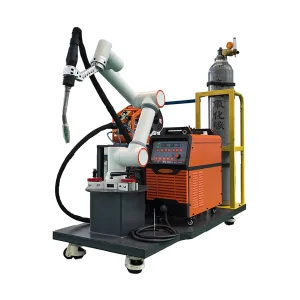
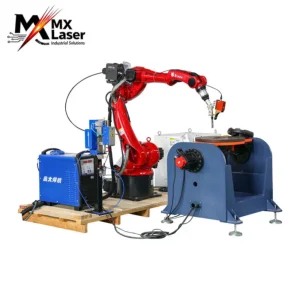
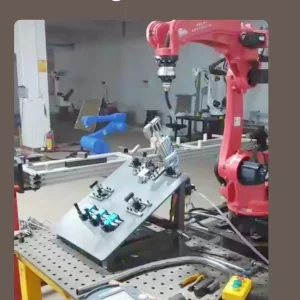
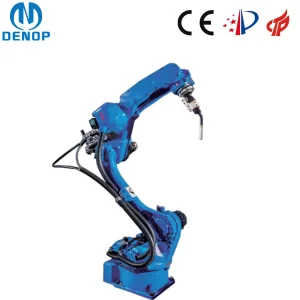
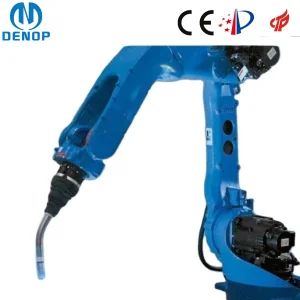
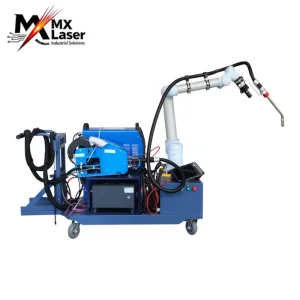
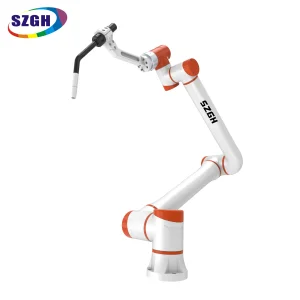
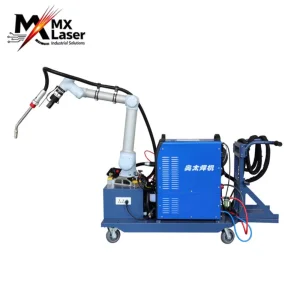
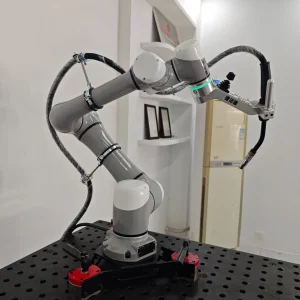
The company’s core product portfolio includes six-axis welding robot arms, collaborative welding robots, laser welding systems, MIG/TIG robotic welding stations, automated welding manipulators, and customized robotic integration solutions. By combining AI visual positioning, servo motion control technology, intelligent path programming, and real-time monitoring systems, Sandai Robot provides high-precision and stable welding performance for complex industrial applications.
Sandai Robot is committed to a technical roadmap that addresses the evolving challenges of the Vietnam market. Our R&D focus is centered on three core pillars:
Utilizing laser-guided vision systems to automatically adjust welding paths in real-time, compensating for workpiece deviations—essential for Vietnam's diverse material quality.
Enabling remote monitoring of welding parameters. Factory managers in Hanoi can monitor production status in Binh Duong through our cloud-based ERP integration.
Implementing ISO 10218-1 and ISO/TS 15066 standards to ensure absolute safety during human-robot collaboration without the need for physical barriers.
Our welding cobots are specifically optimized for the key industrial sectors driving Vietnam's GDP:
Cobots require much less floor space and no safety fencing, making them ideal for existing Vietnam factories where space is premium. They also require less specialized programming knowledge.
Yes, we partner with local engineering firms across Vietnam to provide on-site installation, training, and 24/7 maintenance support to ensure zero downtime.
Typically, our customers in the metal fabrication sector see a full ROI within 8 to 14 months, depending on labor shifts and production volume.
Absolutely. Our systems are modular and can be equipped with MIG, TIG, Laser, or Plasma welding torches depending on your specific material needs.
Yes, all our exported units are configured for the Vietnamese electrical grid (220V/380V) and come with surge protection for industrial stability.
We provide a 3-day intensive training program. Most operators can learn to program a new welding path using our "Lead-through" teaching method within a few hours.
 Sandai Robot