As the largest economy in Southeast Asia, Indonesia is undergoing a historic industrial transformation. Driven by the "Making Indonesia 4.0" roadmap, the nation is aggressively expanding its manufacturing capabilities across West Java, Batam, and the emerging industrial parks in Kalimantan. The demand for Steel Fabrication Welding Arms has reached an all-time high, catalyzed by massive infrastructure projects such as the New Capital City (IKN) development and the rapid expansion of the nickel processing and EV battery ecosystems.
With bridges, skyscrapers, and ports being built at record speeds, traditional manual welding can no longer meet the strict deadlines and safety standards required by global contractors.
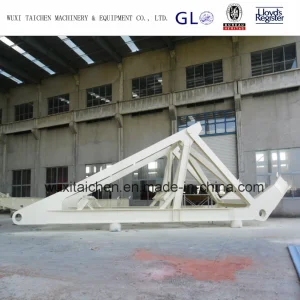
Indonesia's dominance in nickel mining requires heavy-duty machinery fabrication. Precision robotic welding arms are essential for manufacturing durable mining equipment and battery housings.
Rising labor costs and the scarcity of high-skilled certified welders in specialized regions like Morowali are pushing Indonesian firms toward automated robotic integration.
Manufacturers and suppliers serving the Indonesia market must provide more than just hardware; they must deliver localized technical support, robust spare parts supply chains, and training programs that empower the local workforce to operate sophisticated CNC and 6-axis systems.
In the global arena, the welding industry has shifted from simple mechanical assistance to Autonomous Path Planning and AI-Driven Visual Inspection. Modern Steel Fabrication Welding Arms are now equipped with laser seam tracking sensors that allow for real-time adjustments, compensating for workpiece irregularities—a common challenge in large-scale steel structure fabrication.
For Indonesian procurement managers, sourcing from Chinese manufacturers like Shenzhen Sandai Robot Co., Ltd. offers a unique strategic advantage. The "Factory 4.0" model integrated within our Shenzhen facility ensures:
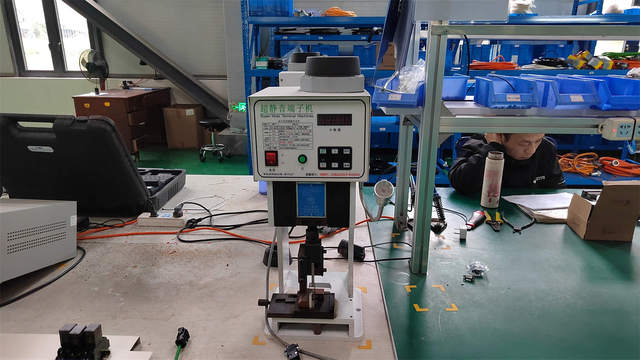
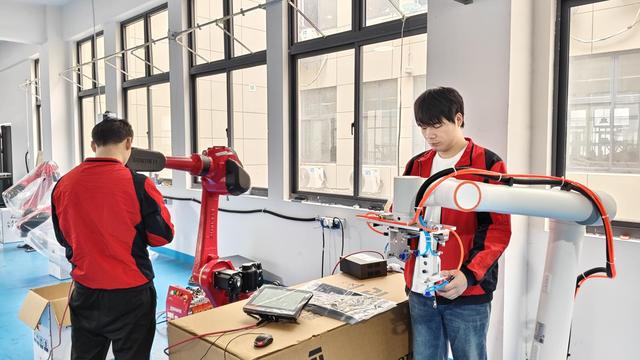
Shenzhen Sandai Robot Co., Ltd. is a professional industrial automation enterprise specializing in the development and manufacturing of welding robot arms, robotic welding systems, and intelligent welding automation solutions for global manufacturing industries. Established in 2012 and headquartered in Shenzhen, China, the company integrates advanced robotics technology, precision engineering, software development, and automated production capabilities to deliver reliable and efficient welding solutions worldwide.
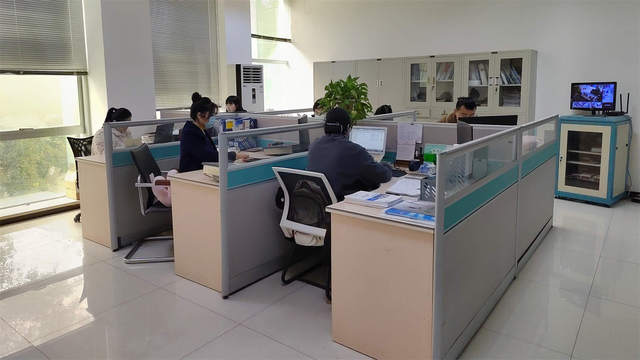
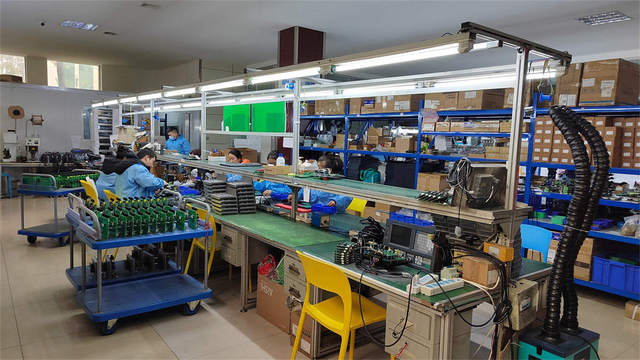
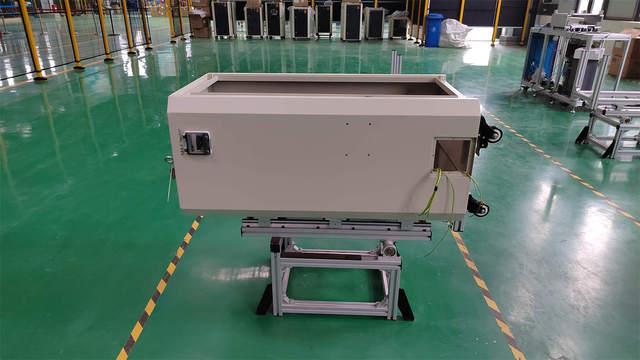
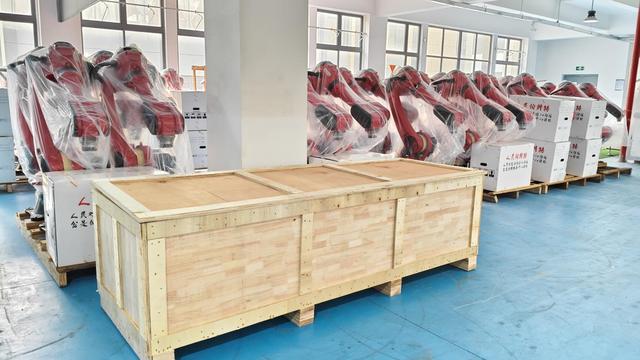
Sandai Robot operates a modern manufacturing facility covering more than 32,000 square meters and employs over 380 experienced engineers. With 20 automated assembly and testing lines, the company maintains strict quality control procedures. Its annual production capacity exceeds 8,000 industrial robotic units, serving automotive manufacturing, metal fabrication, shipbuilding, and aerospace sectors.
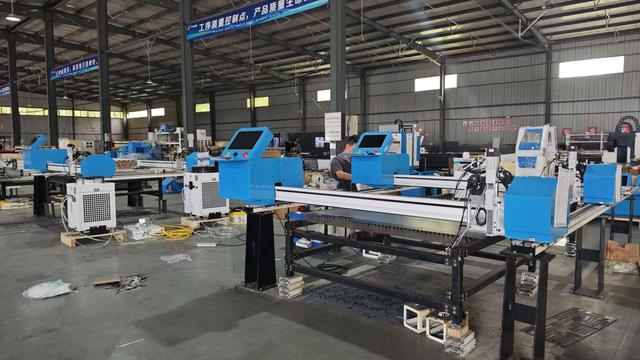
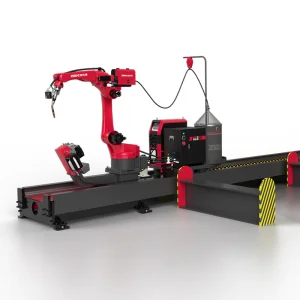
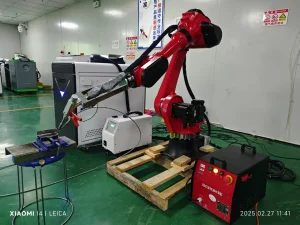
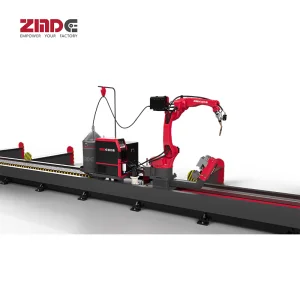
The company’s core product portfolio includes six-axis welding robot arms, collaborative welding robots (Cobots), laser welding systems, and MIG/TIG robotic welding stations. By combining AI visual positioning, servo motion control technology, and intelligent path programming, Sandai Robot provides high-precision and stable welding performance for complex industrial applications across Indonesia and the world.
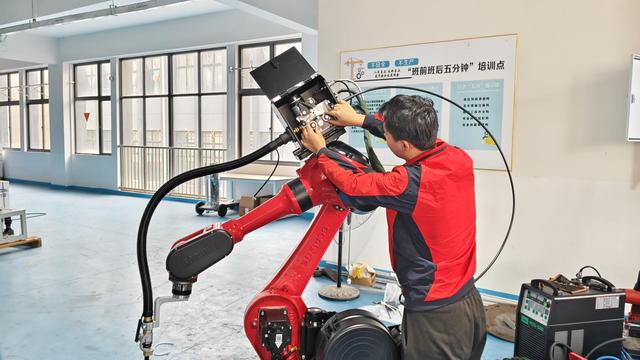
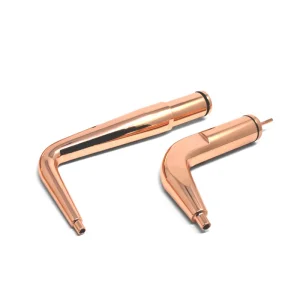
Integration of 6-axis spot welding arms for chassis and frame assembly, ensuring 0.05mm repeatability for Toyota, Honda, and Hyundai tier-1 suppliers in West Java.
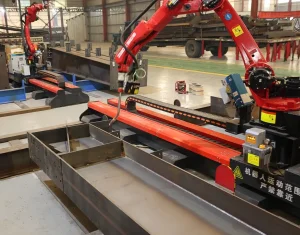
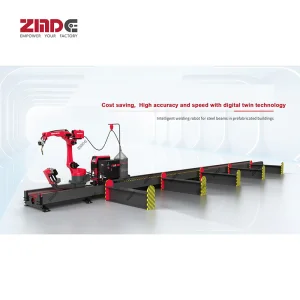
Heavy-duty ground rail welding robots for large hull section fabrication, overcoming the challenges of high humidity and continuous duty cycles in maritime environments.
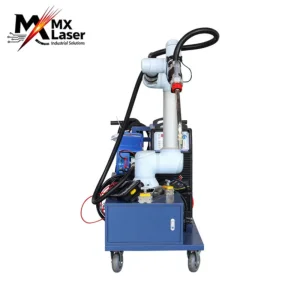
On-site mobile welding manipulators for repairing excavator buckets and heavy dump truck frames, reducing downtime for Indonesia's vital coal and nickel mines.
 Sandai Robot