Sandai Robot
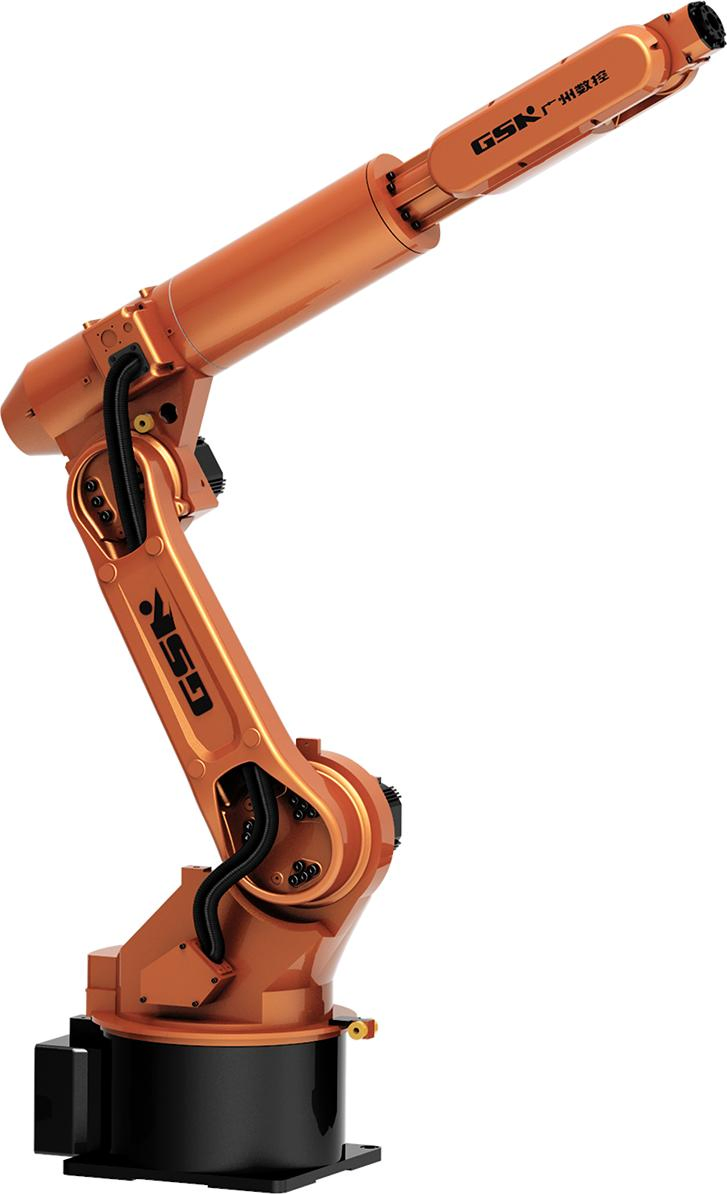
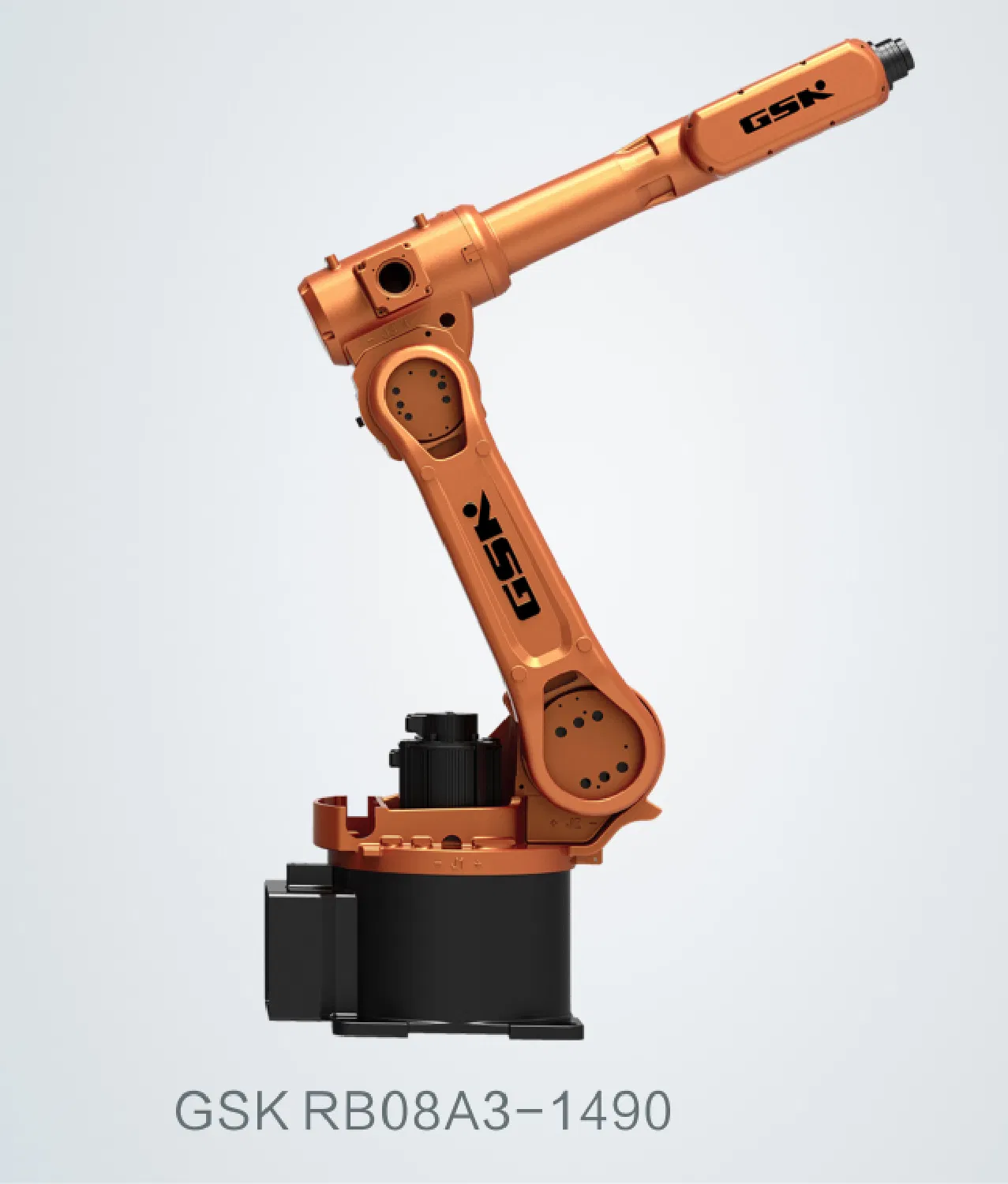
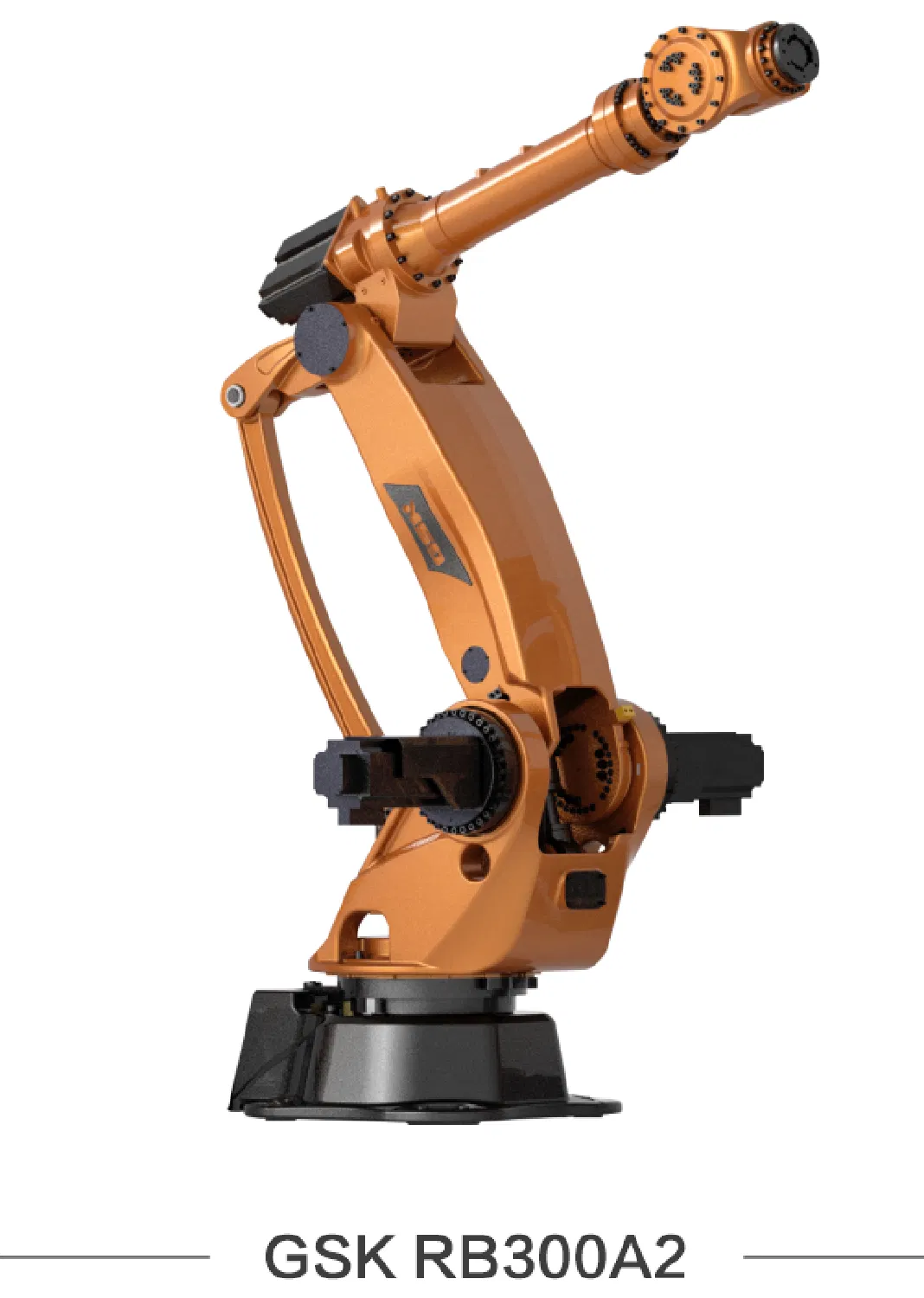
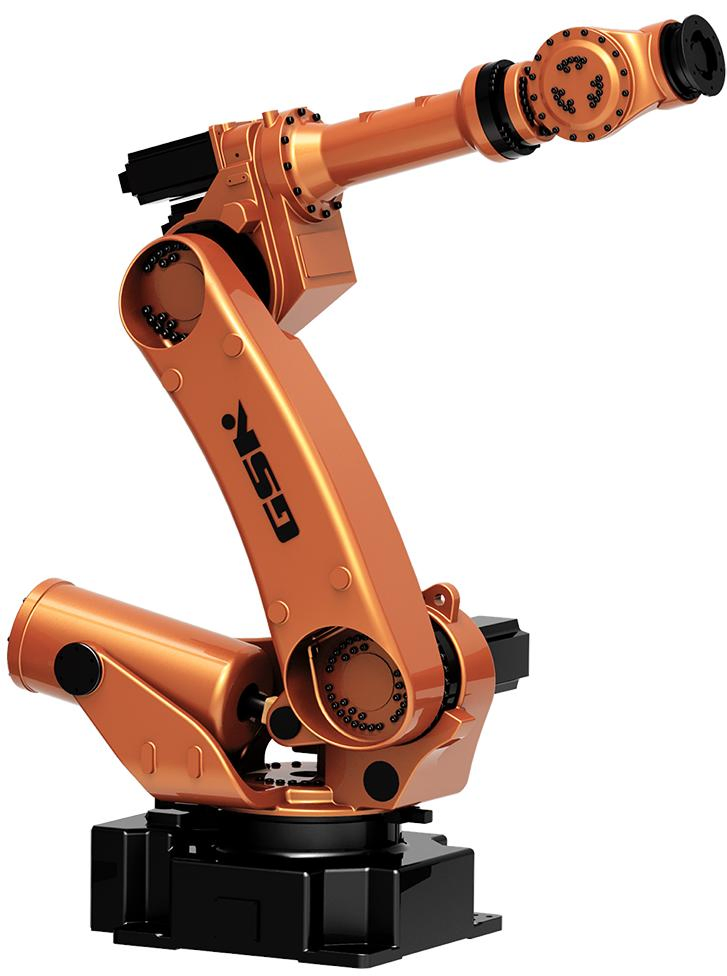
1 / 5
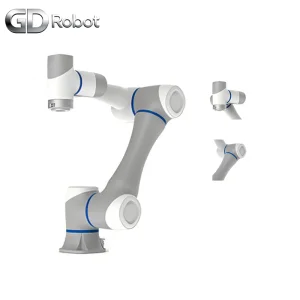
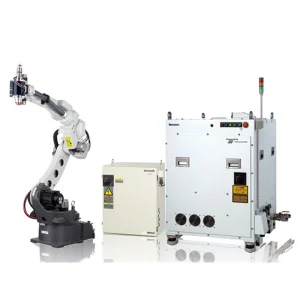
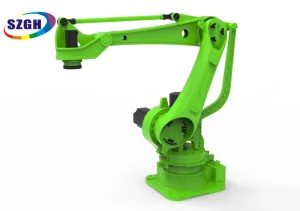
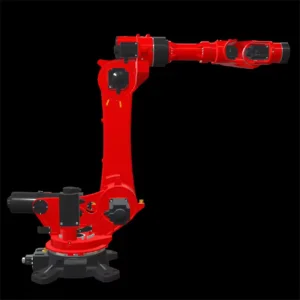
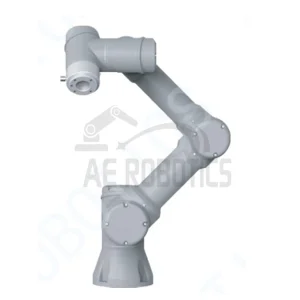
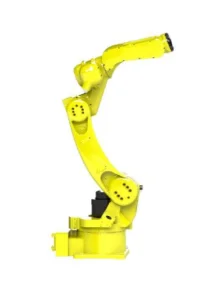
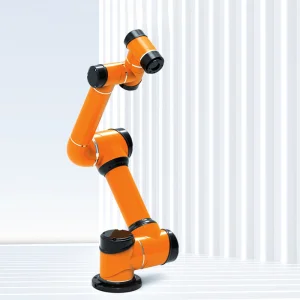
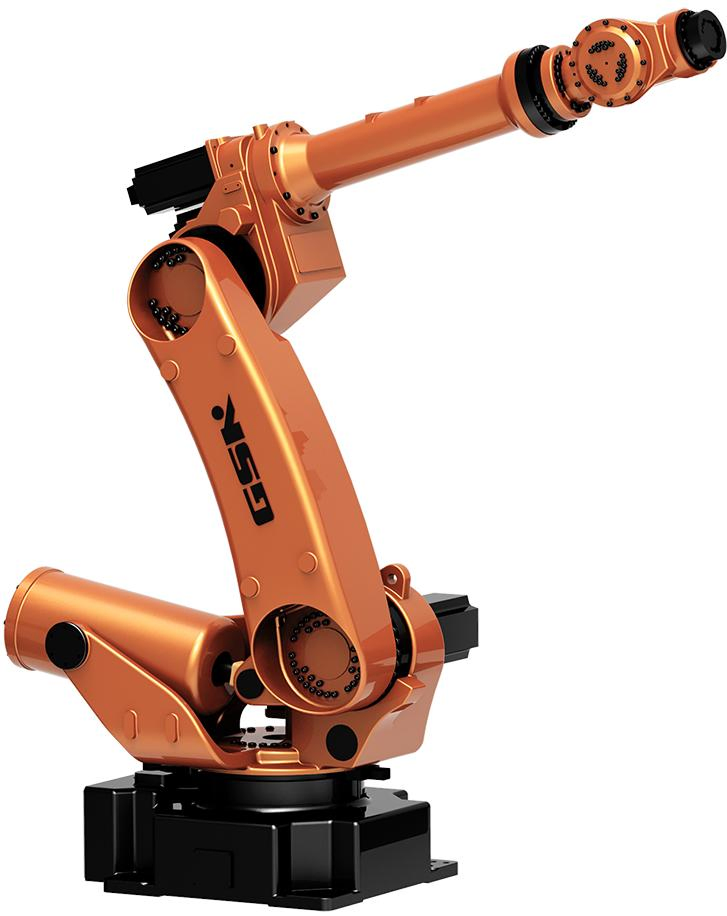
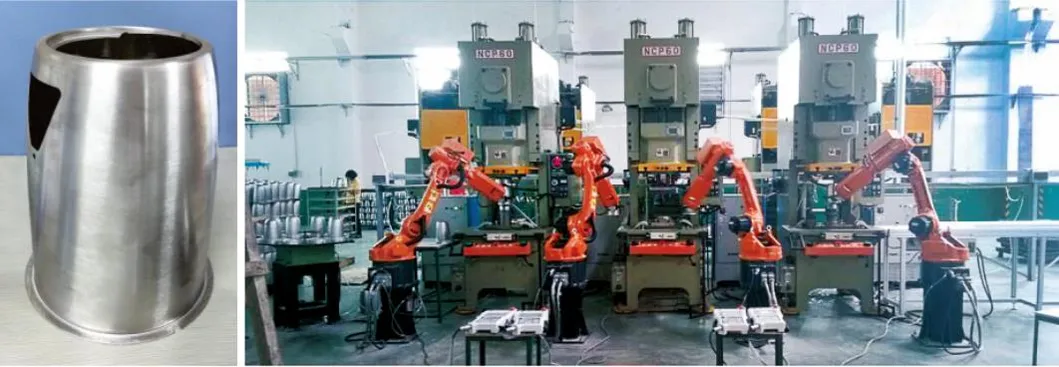
Application Field: This remarkable product finds extensive usage in burnishing, polishing, machine loading/unloading, and automatic transport within punching automation production lines. Its versatility is unmatched.
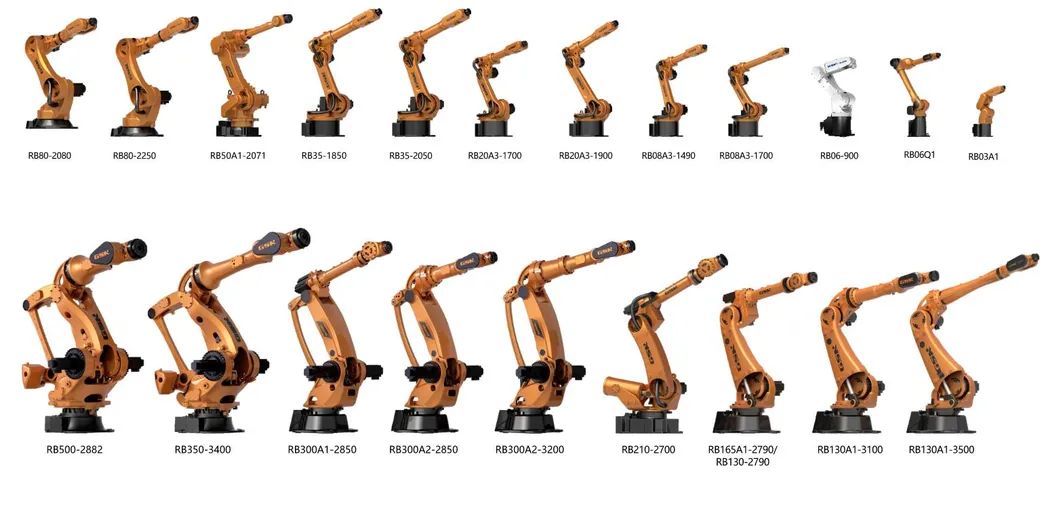
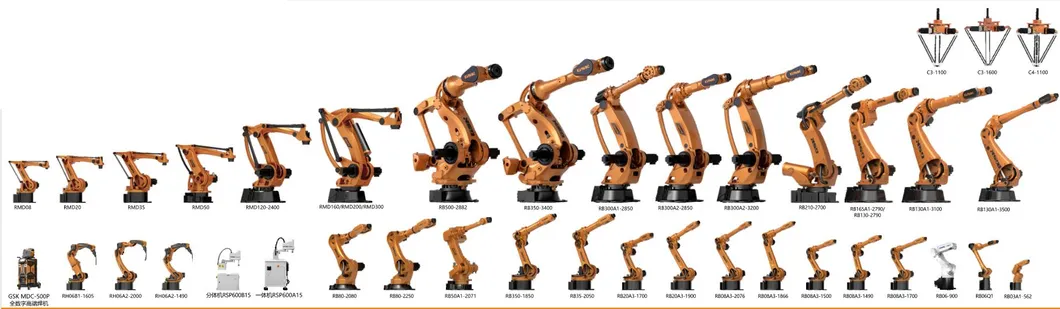
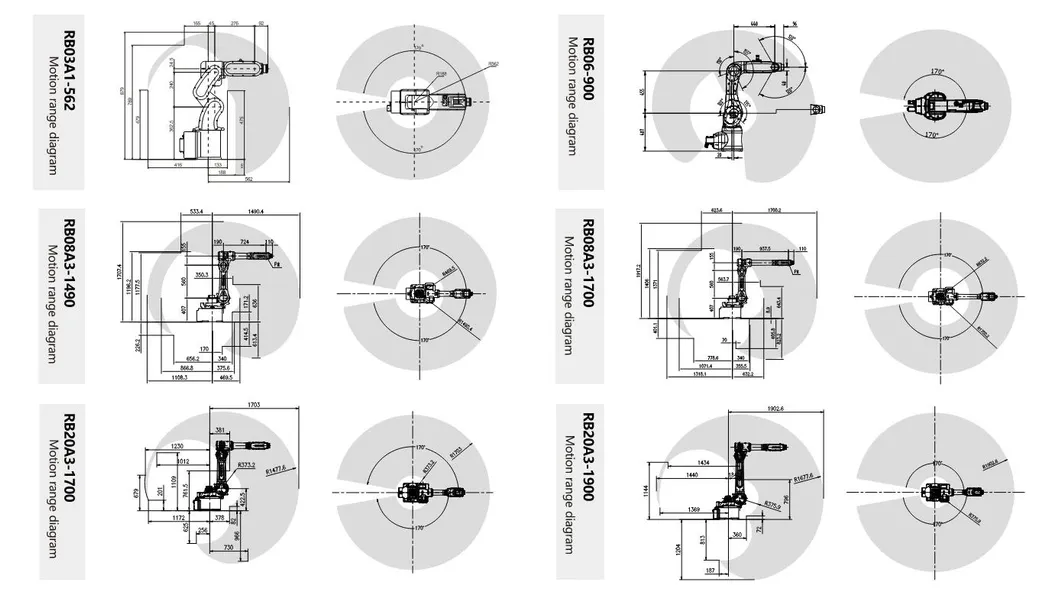
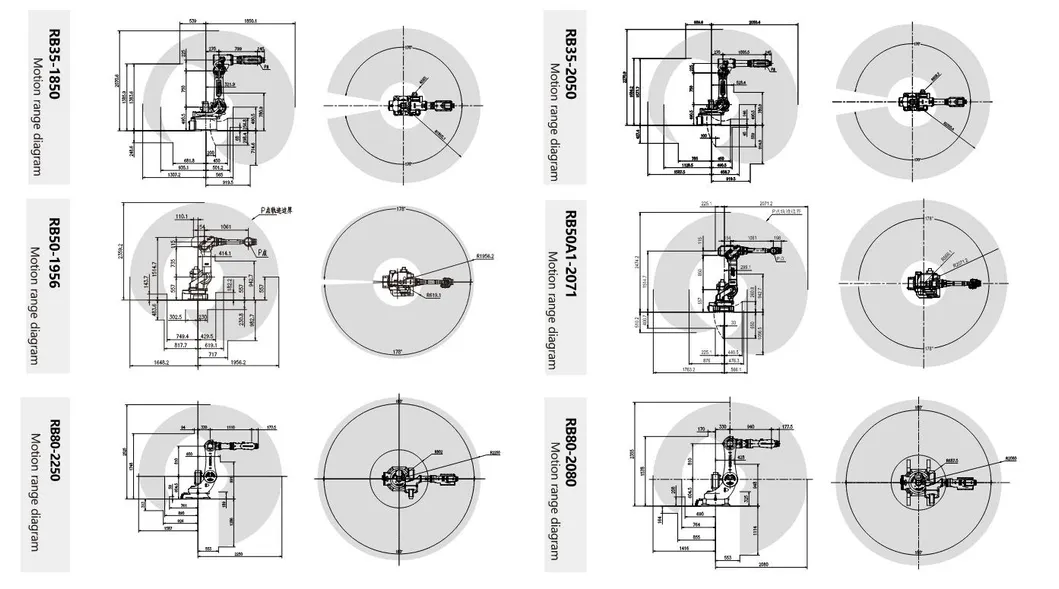
| Type | Dof | Drive Method | Payload (kg) | Repeatability (mm) | Motion Range(°) | Radius (mm) | Weight (kg) | ||||||
|---|---|---|---|---|---|---|---|---|---|---|---|---|---|
| RB03A1-562 | 6 | AC Servo Drive | 3 | ±0.02 | ±150 | +136/-51 | +64/-131 | ±150 | ±150 | ±360 | 562 | 36 | |
| RB06-900 | 6 | AC Servo Drive | 6 | ±0.03 | ±170 | +135/-100 | +155/-110 | ±170 | ±170 | ±360 | 900 | 60 | |
| RB12-1500 | 6 | AC Servo Drive | 6 | ±0.04 | ±170 | +120/-85 | +83/-150 | ±180 | ±135 | ±360 | 1500 | 186 | |
| RB20A3-1700 | 6 | AC Servo Drive | 20 | ±0.04 | ±170 | +160/-80 | +76/-112 | ±180 | ±180 | ±360 | 1700 | 265 | |
| RB50-1956 | 6 | AC Servo Drive | 50 | ±0.05 | ±178 | +130/-90 | +75/-200 | ±360 | ±360 | ±360 | 1956 | 650 | |
| RB130-2790 | 6 | AC Servo Drive | 165 | ±0.08 | ±175 | +75/-60 | +80/-185 | ±360 | ±360 | ±360 | 2790 | 1350 | |
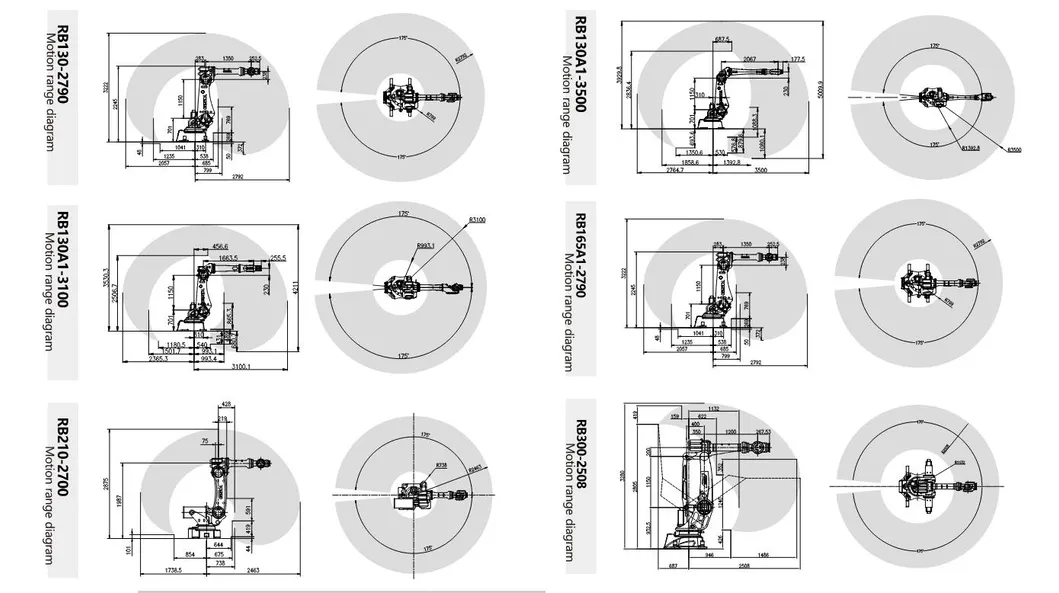
Engineered to enhance efficiency and streamline operations.
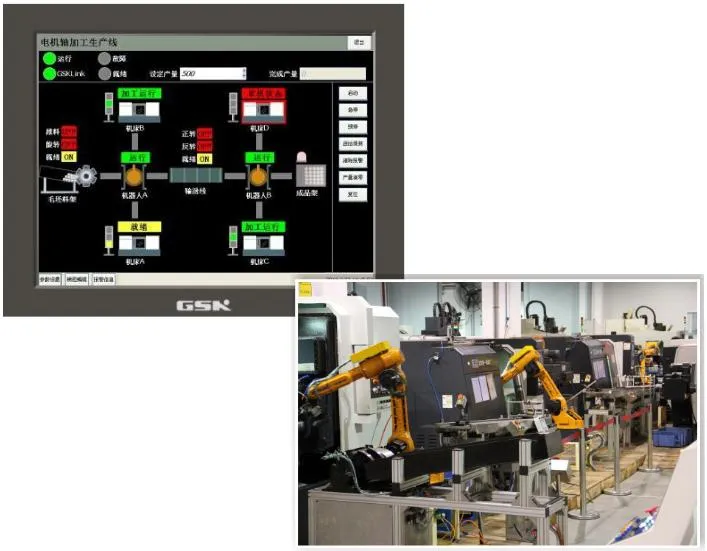
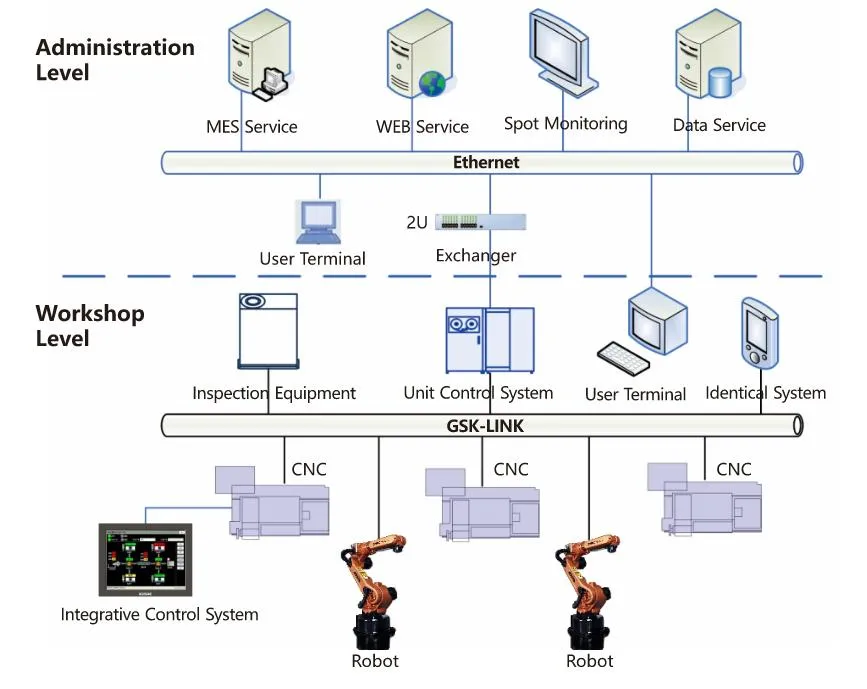
A cornerstone for operations management.
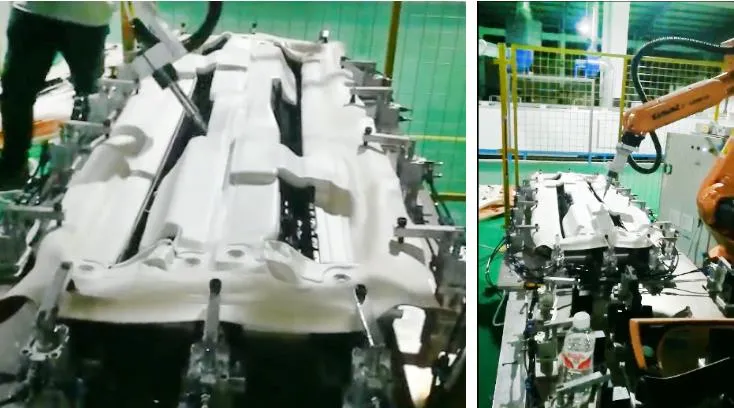
Replacing manual labor to achieve automatic cutting of injection molding flash. The robot performs cutting along the product's contour, ensuring 24-hour stability and consistent quality.
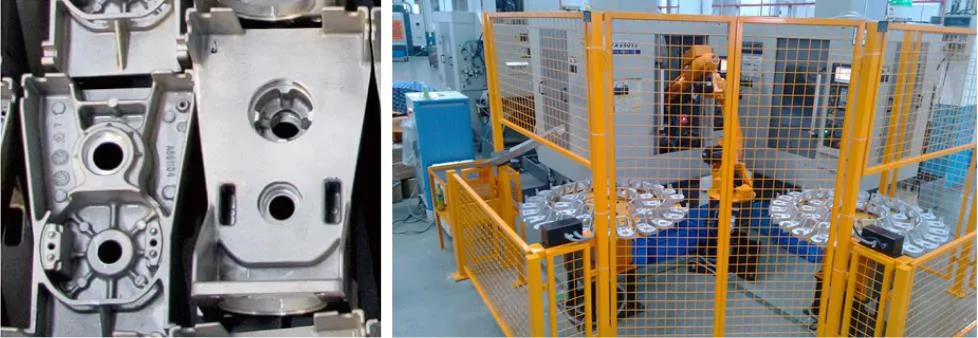
One robot serves two turning machines. Integrated loading and unloading structures shorten running time and maintain continuity in automatic production.
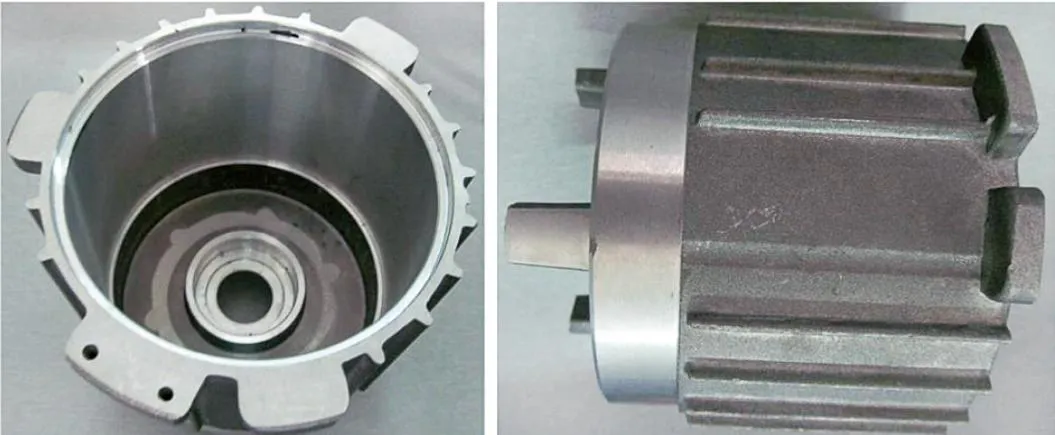
High machining efficiency where loading/unloading does not occupy the machine's wait time, realizing 100% utilization.
A stable control process with a cycle time of 9.5s-14s per piece, significantly reducing labor intensity and injury risk.
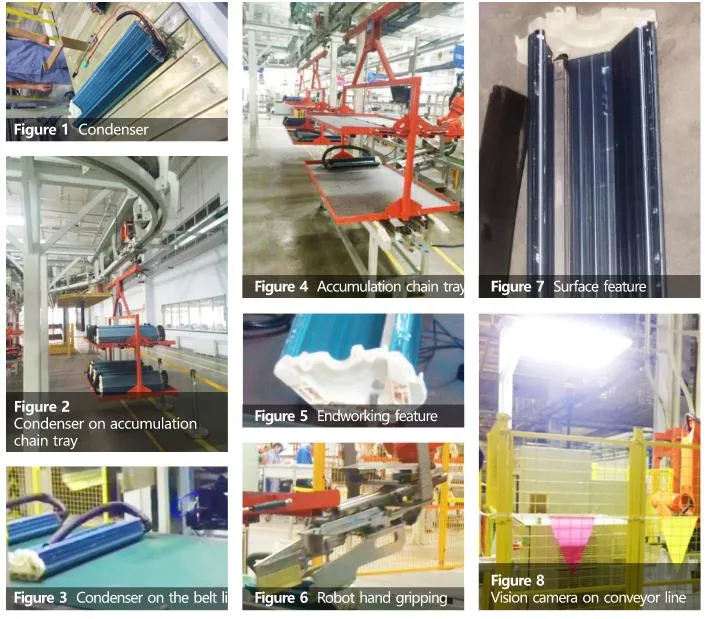
Guided by 3D vision systems to identify irregular workpieces. Capable of handling six different products with a 10-second rhythm.
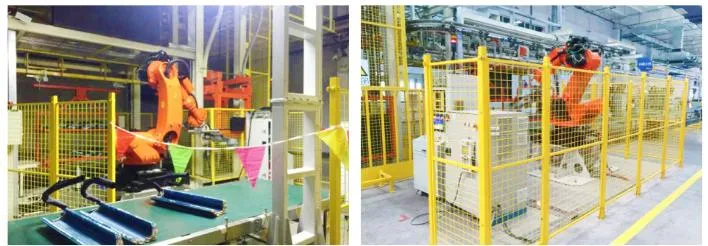
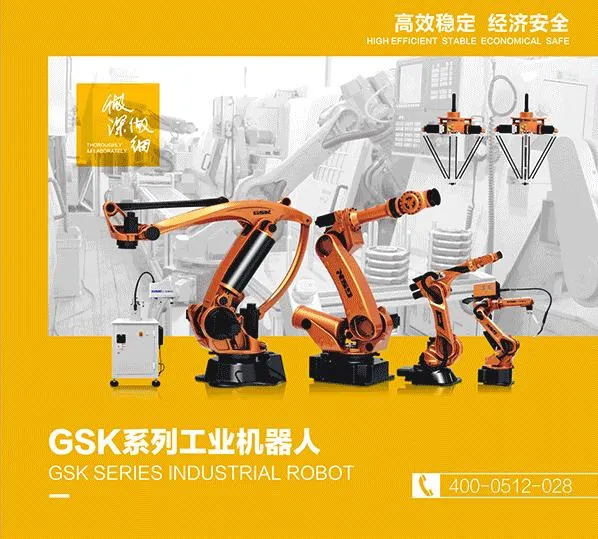
With over three decades of pioneering experience, our industrial robots feature independent intellectual property rights. The lineup includes six distinct series for transportation, welding, polishing, painting, stacking, and paralleling.