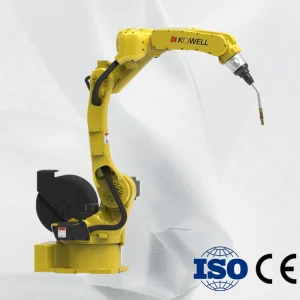
Sandai Robot
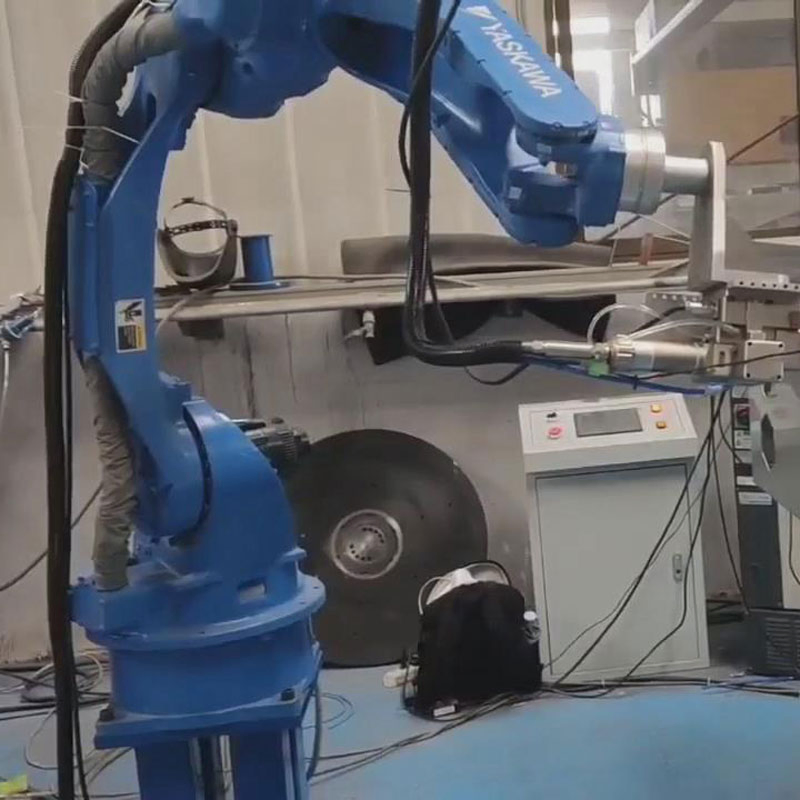
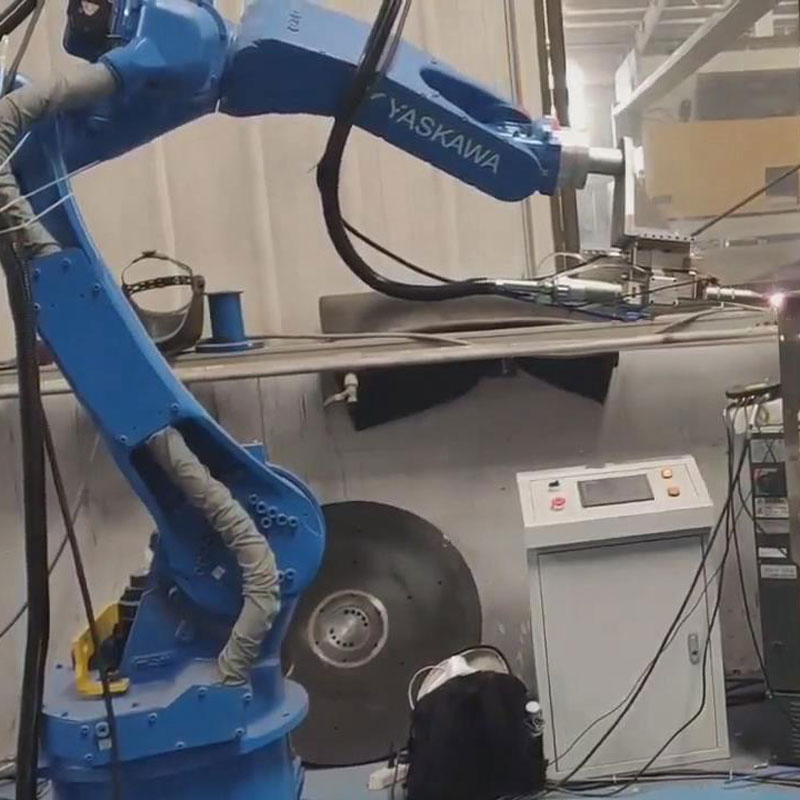
1 / 5
| Model NO. | 3000W |
| Application | Electronic Industry, Automotive Industry, Manufacturing Industry |
| Technical Class | Continuous Wave Laser |
| Control | Automatic |
| Laser Classification | Optical Fiber Laser |
| Type | Automatic Laser Welding Machine |
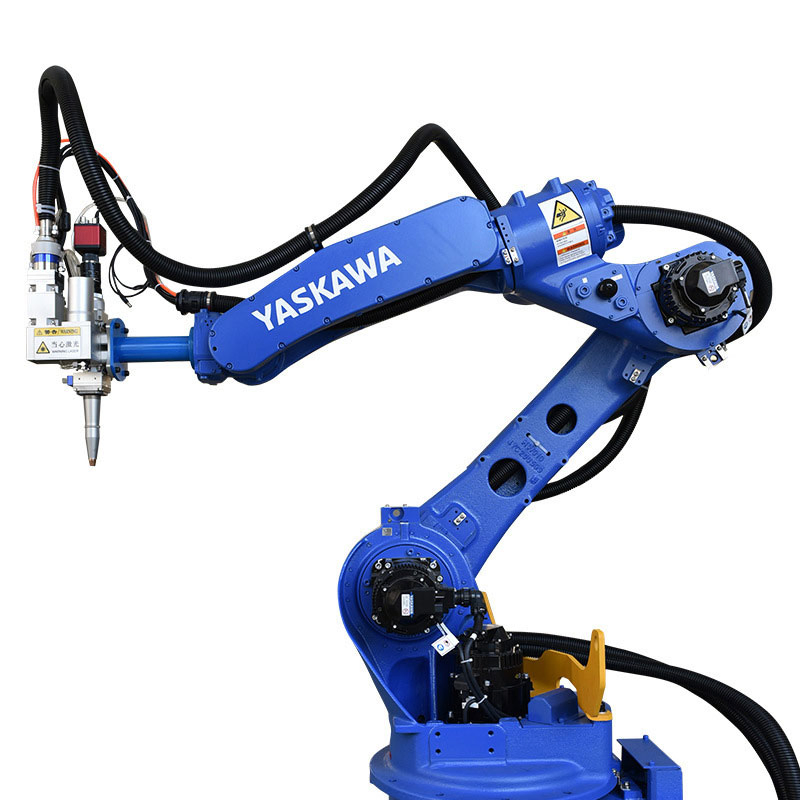
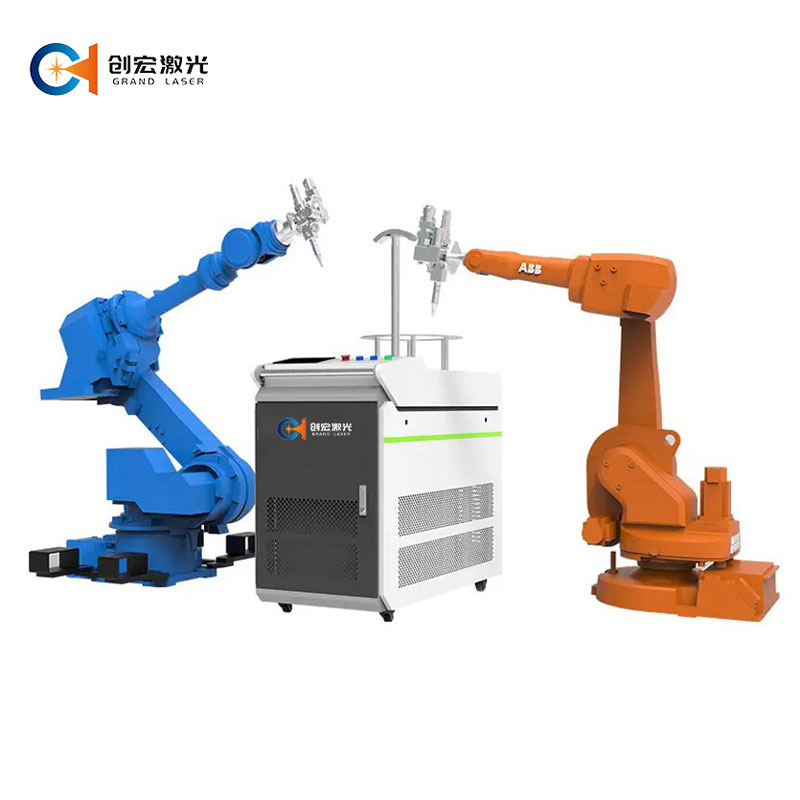
| Robot Brand | Yaskawa ABB |
| Laser Device Brand | Max |
| Package Size | 240.00cm * 135.00cm * 98.00cm |
| Package Gross Weight | 2500.000kg |
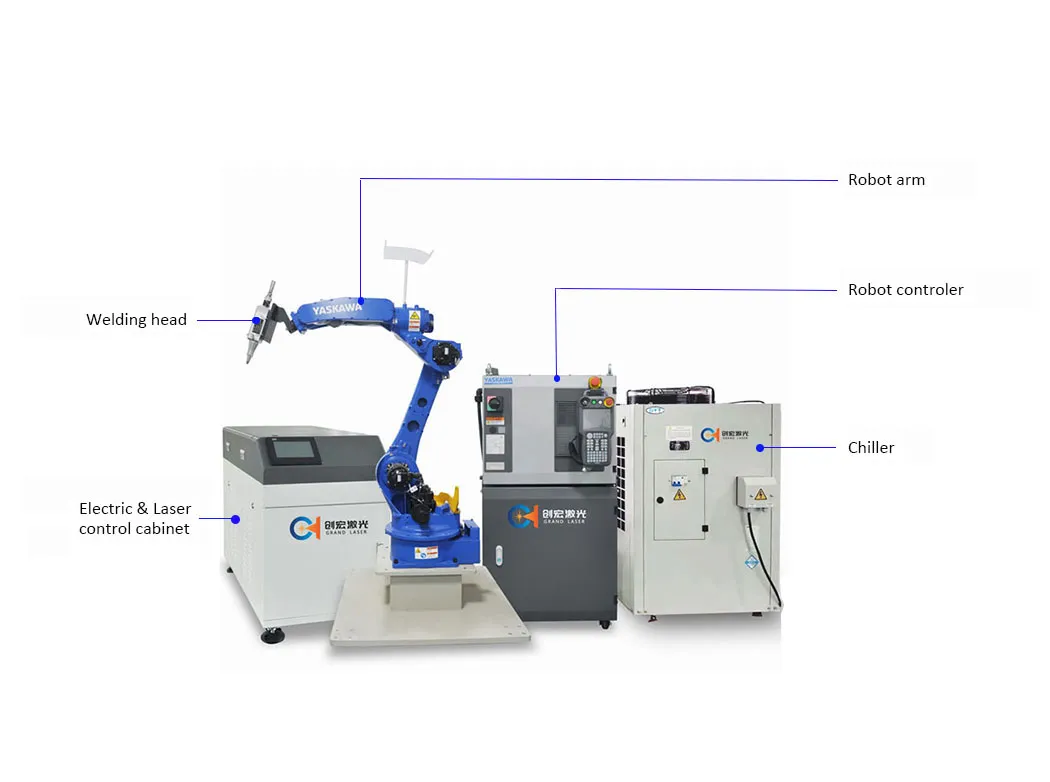
| Technical specification | 1500W, 2000W, 3000W, 6000W |
| Optical maser wavelength | 1080nm±5nm |
| Fiber length | 15M |
| Voltage input | AC380V+10%/3P+PE |
| Type of cooling | Water cooling |
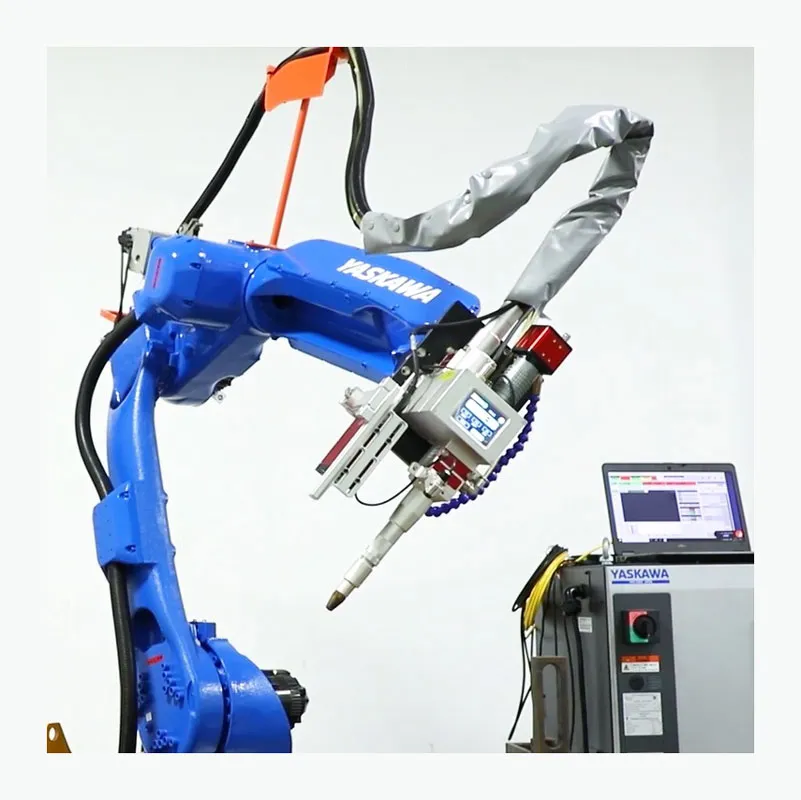
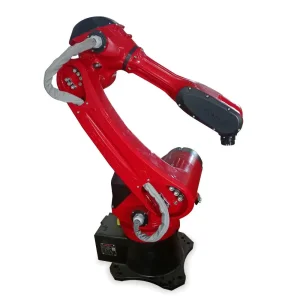
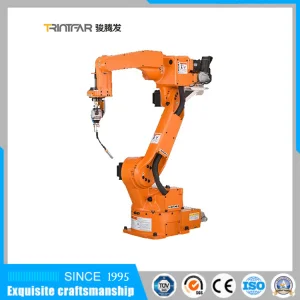
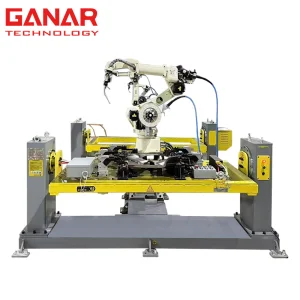
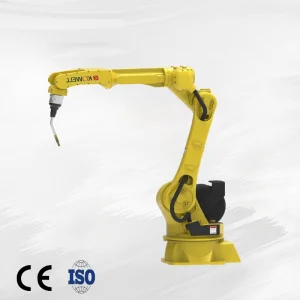
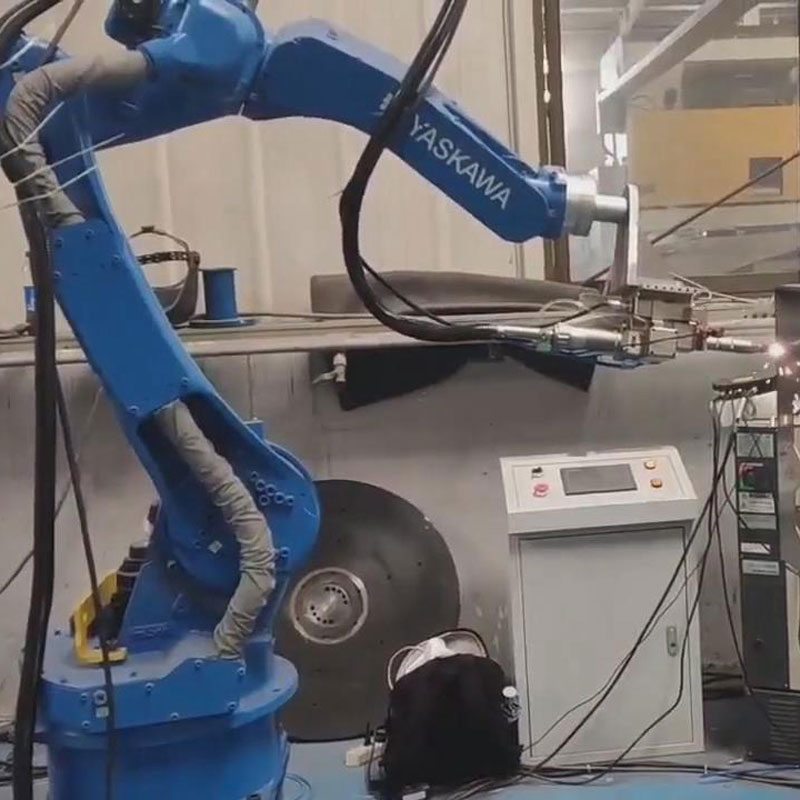
1. Our state-of-the-art robot laser welding machine is engineered to master any complex spatial trajectory and posture movements with exceptional precision. It boasts unparalleled stability and reliability, a remarkable lifespan, swift movement, and astonishingly high positioning and repeatability accuracy.
2. Designed with user-centric operation in mind, this equipment is incredibly intuitive and easy to master, eliminating the need for professional welders. Achieve a seamless 'turnkey' project experience with ease.
3. Efficient and stable maintenance-free operation ensures our machine can perform tirelessly, offering 24-hour uninterrupted service, effectively replacing manual labor.
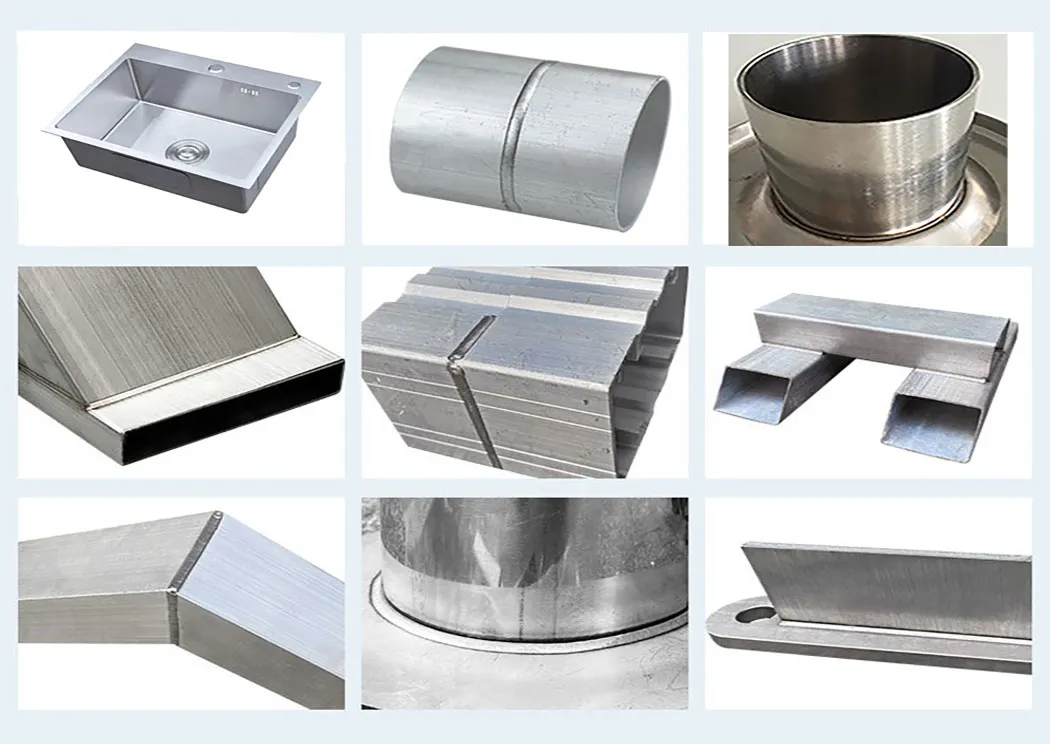
4. Outfitted with advanced weld tracking and wire feeding functions, our equipment adeptly addresses challenges of workpiece inconsistency and wide weld issues, offering flawless welding solutions.
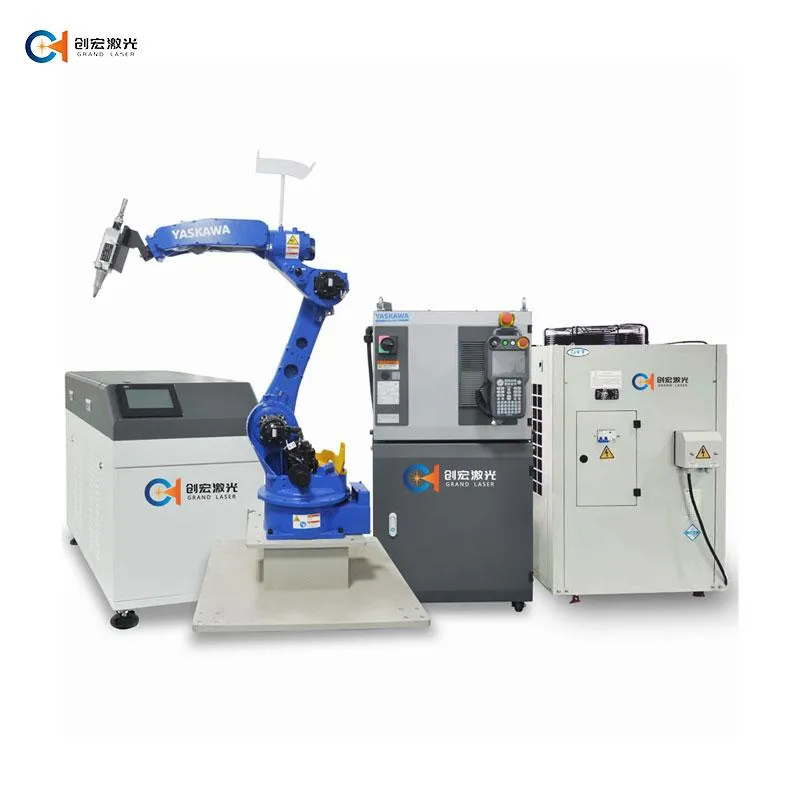
1. Safety Protection: Ensure maximum safety by equipping operators with professional laser protective glasses to shield their eyes from potential laser damage.
2. Parameter Setting: Adhere strictly to established operation procedures to meticulously control welding parameters, including laser power, welding speed, and focal length.
3. Process Monitoring: Vigilantly during the welding process, avoid direct observation of the laser beam and ensure no part of the body is exposed to the laser's irradiation range.
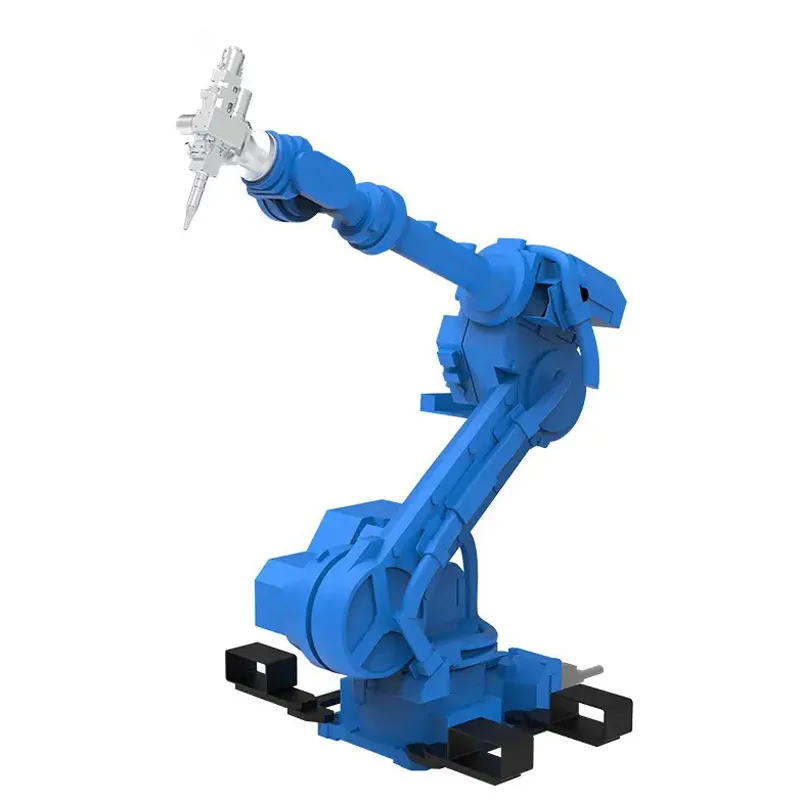
1. Daily Cleaning: Conduct regular and thorough cleaning of the robot's exterior, encompassing the robot arm, control cabinet, and power cord.
2. Component Inspection: Perform routine checks on critical robot components, such as guide rails and motors.
3. Lubrication: Periodically lubricate the robot's key components with suitable oil to ensure smooth operation and minimize wear.