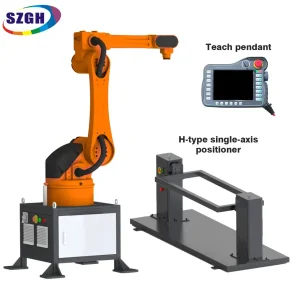
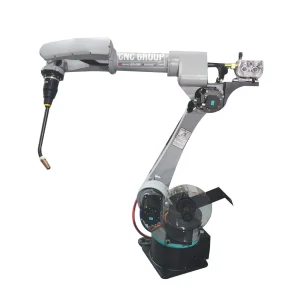
Integrated Multi-Process 6 Axis Welding Robot Arm for Precision Metalwork
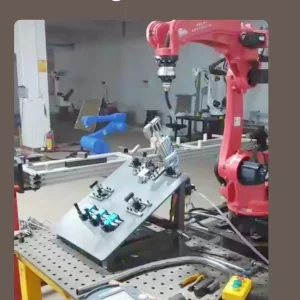
Ra 6-Axis Mag Welding Cobot / Laser-Guided Stainless Steel IP67 System
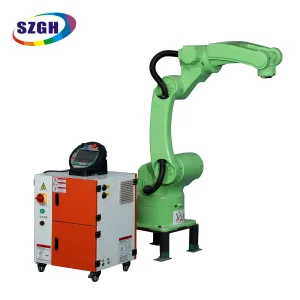
China Low Cost AI 9 Axis Manipulator Arm Industrial Spraying & Weld Robot
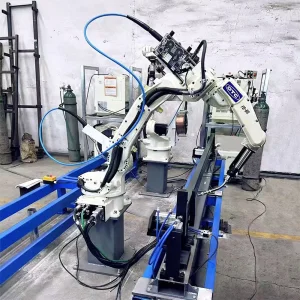
Automatic 6 Axis Arm Industrial Collaborative MIG Welding Robot Arm
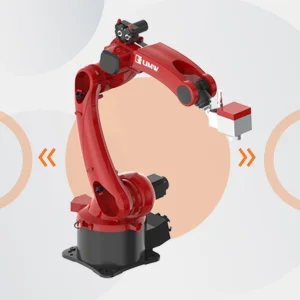
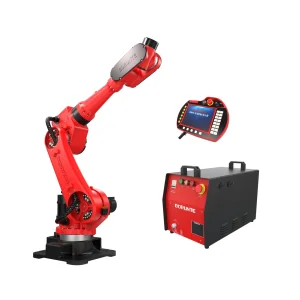
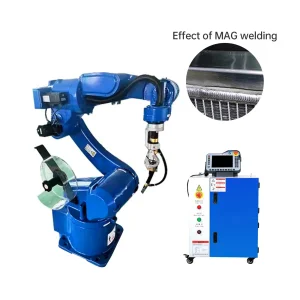
6 Axes Automatic Welding Robot Arm for TIG MIG Industrial Kit
In the contemporary landscape of global industrial manufacturing, the transition from manual labor to automated systems is no longer a luxury—it is a survival imperative. As a leading CE Certified Heavy-Duty Welding Arm Supplier and Exporter, Shenzhen Sandai Robot Co., Ltd. recognizes that heavy-duty welding represents the structural foundation of the world’s infrastructure, from shipbuilding to skyscraper skeletons.
Heavy-duty welding arms differ from standard pick-and-place robotics through their requirement for extreme torque, thermal management, and millimetric precision under load. For global enterprises, "CE Certification" serves as the benchmark for Safety, Health, and Environmental protection, ensuring that these high-powered machines meet the rigorous standards of the European Economic Area while providing a universal assurance of quality to buyers in North America, Southeast Asia, and beyond.
The global demand for industrial robots is projected to grow at a CAGR of 12% through 2030. In the West, aging workforces and rising labor costs have created a "Skills Gap" in specialized welding. This has shifted the focus toward high-reliability, heavy-duty arms that can operate 24/7 without fatigue.
Shenzhen, often called the "Silicon Valley of Hardware," provides an unparalleled supply chain ecosystem. At Sandai Robot, we leverage this localized ecosystem to source high-precision servo motors and structural components, reducing lead times by 40% compared to European competitors.
Modern procurement managers look for more than a machine; they seek "Interoperability." Our arms support various protocols (EtherCAT, Modbus) and are compatible with global power standards, making us a preferred exporter for multi-national production lines.
Heavy-duty welding arms are not "one-size-fits-all." Successful implementation requires understanding the localized environmental factors of the industry:
🔹 Heavy Construction Machinery: Welding frames for excavators and cranes requires deep penetration and high-load capacity. Our GD20 series handles these tasks with ease.
🔹 Shipbuilding & Marine Engineering: In coastal shipyards, corrosion resistance (IP67) is vital. Our Ra 6-Axis systems are designed to withstand high humidity and saline environments.
🔹 Aerospace & Energy: Welding large-diameter pipes or turbine components demands 9-axis synchronization to ensure seam consistency across complex geometries.
🔹 Automotive EV Battery Trays: The rise of EVs requires high-speed, high-precision laser welding to maintain battery integrity, a core specialty of our multi-process robotic arms.
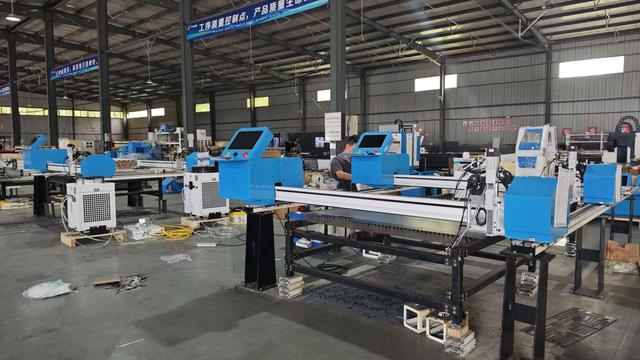
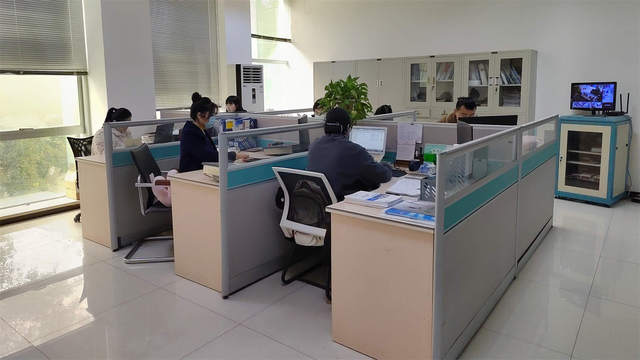
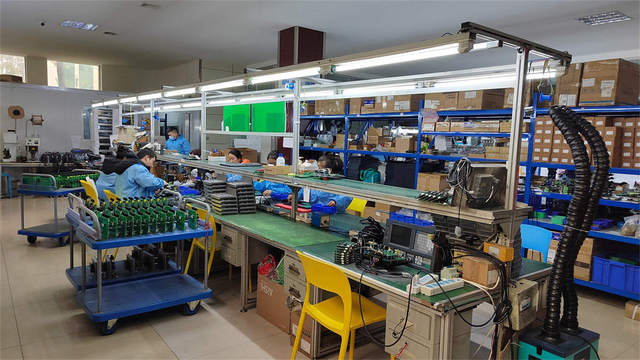
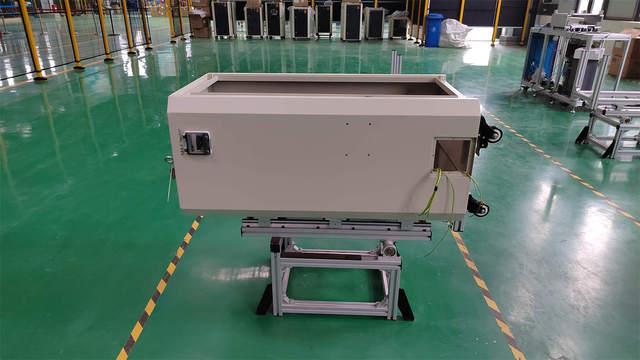
We are entering the era of Industrial 5.0, where human intuition meets robotic precision. Key trends we are currently integrating into our production at Sandai Robot include:
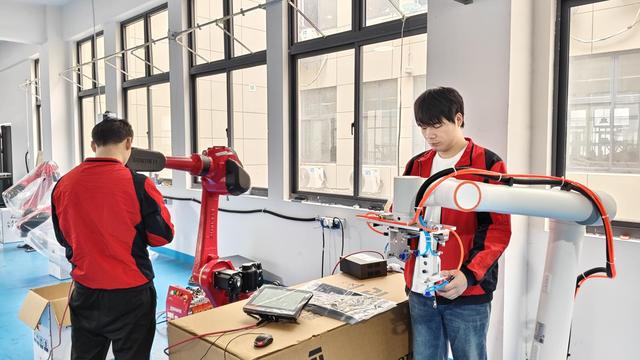
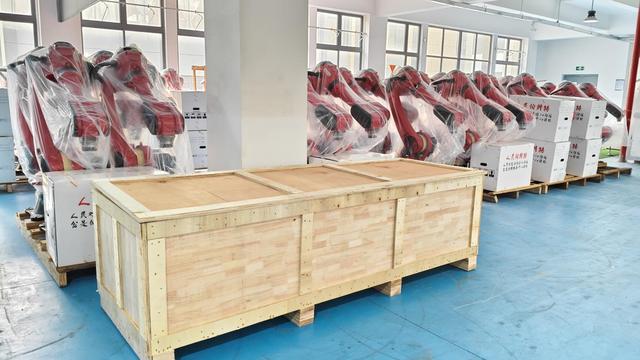
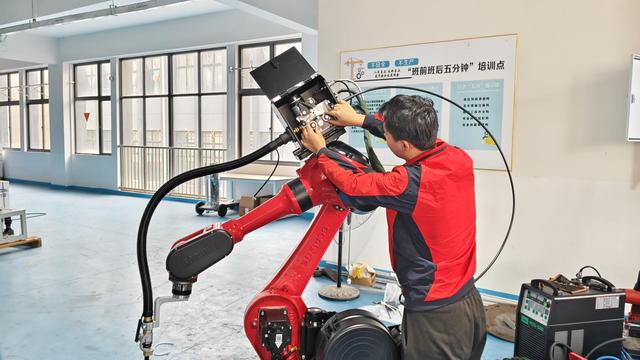
Established in 2012, Sandai Robot has grown into a global powerhouse of automation. With a 32,000 sqm facility and over 380 employees, we represent the pinnacle of Chinese industrial innovation. Our commitment to E-E-A-T (Experience, Expertise, Authoritativeness, and Trustworthiness) is reflected in our 20+ automated assembly lines and an annual output exceeding 8,000 units.
We don't just export products; we export reliability. Every unit undergoes a 72-hour stress test before shipment, ensuring that when it arrives at your facility, it is ready for immediate deployment into high-stakes production environments.
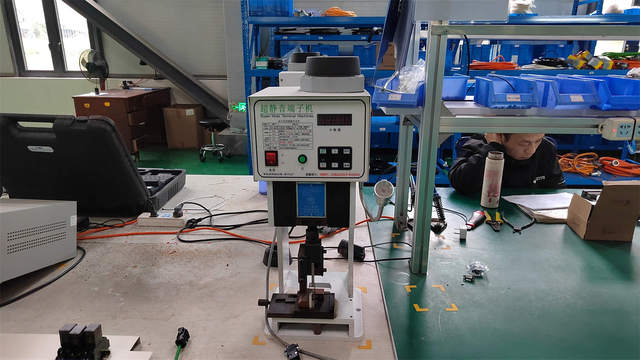
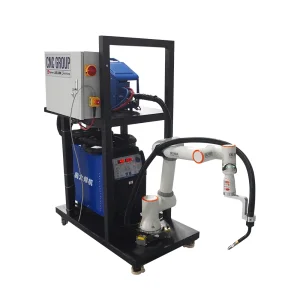
Portable Welding Robot 6 Axis Welding Robot Arm Welding Station
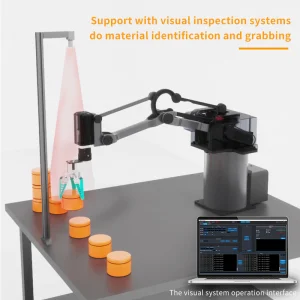
Quality Certification Pipe Welding Manipulators Controller Systems
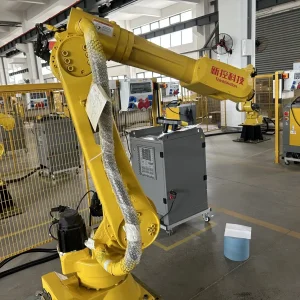
High-Load 30kg Intelligent Welding Robot Arm for Precision Fabrication
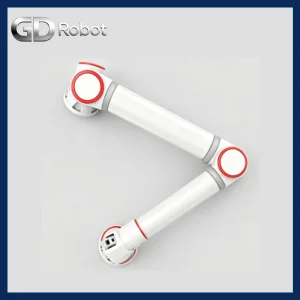
Factory Direct Gd20 6-Axis Robot Arm with Teach Pendant Control
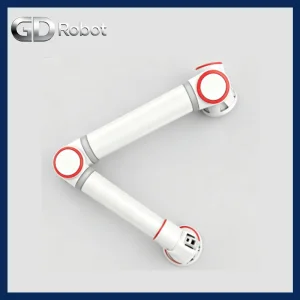
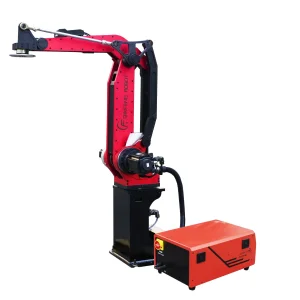
Flexible Joint Manipulator Low Tolerance Stamping for Welding Work
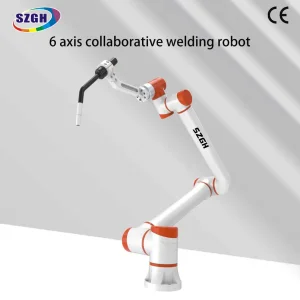
6 Axis 6kg Collaborative Welding Robot Arm with 1460.7mm Reach
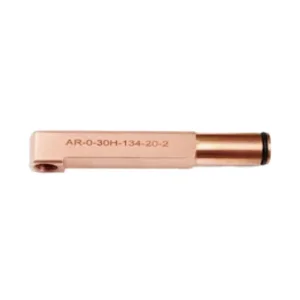
New Arrival Stable Quality Spot Electrode Arms for Robotic Torch
 Sandai Robot