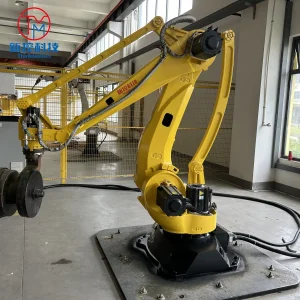
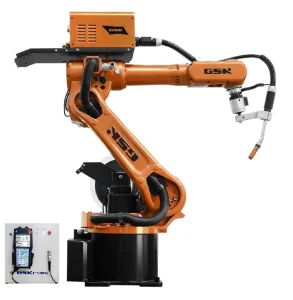
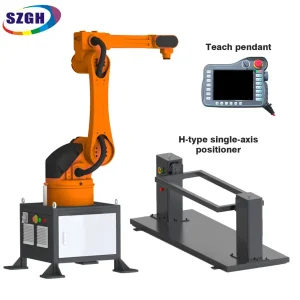
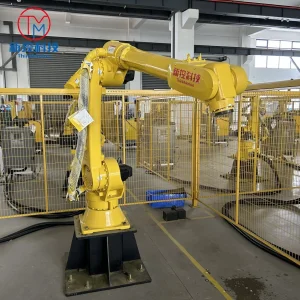
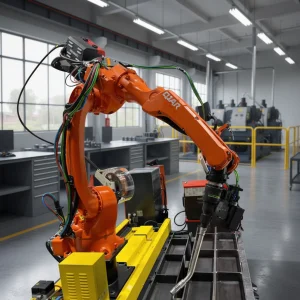
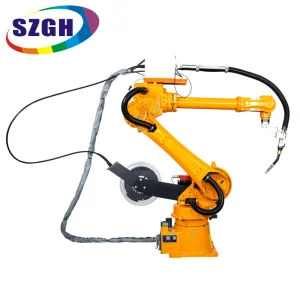
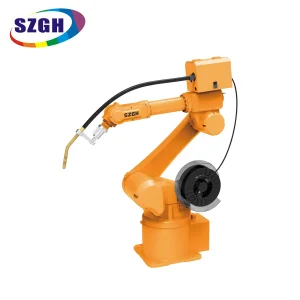
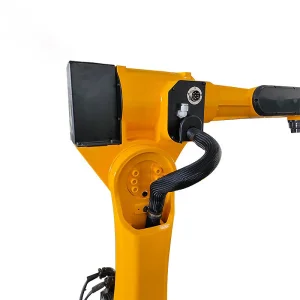
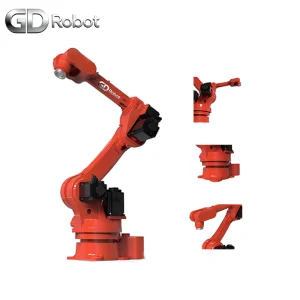
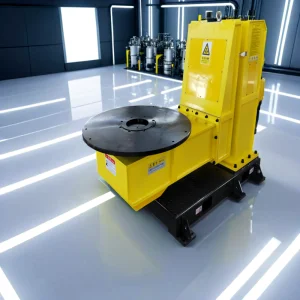
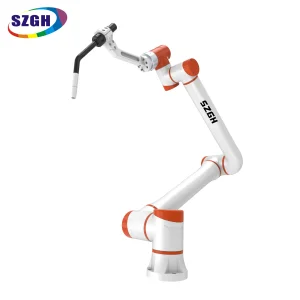
The global manufacturing sector is undergoing a seismic shift toward Industry 4.0, where the demand for precision, speed, and repeatability has never been higher. Servo-controlled robots have emerged as the backbone of this revolution. Unlike traditional stepper systems, servo-controlled arms utilize closed-loop feedback, allowing for real-time adjustments in positioning, velocity, and torque. This capability is critical for applications such as high-tolerance welding, complex assemblies, and micro-component handling.
Manufacturers worldwide are prioritizing CE Certification as a non-negotiable standard. CE marking indicates that a product meets the essential health, safety, and environmental protection requirements of the European Union. For global procurement teams, sourcing from a CE-certified supplier like Shenzhen Sandai Robot Co., Ltd. ensures compliance with international safety protocols, reducing liability and ensuring seamless integration into Western manufacturing lines.
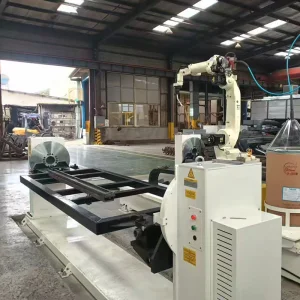
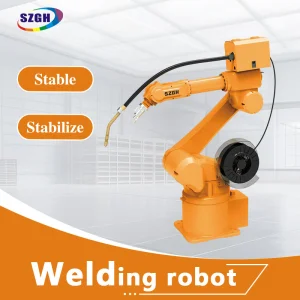
Shenzhen Sandai Robot Co., Ltd. is a professional industrial automation enterprise specializing in the development and manufacturing of welding robot arms, robotic welding systems, and intelligent welding automation solutions for global manufacturing industries. Established in 2012 and headquartered in Shenzhen, China, the company integrates advanced robotics technology, precision engineering, software development, and automated production capabilities to deliver reliable and efficient welding solutions worldwide.
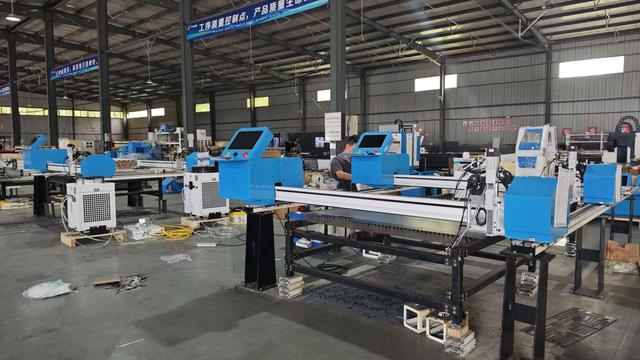
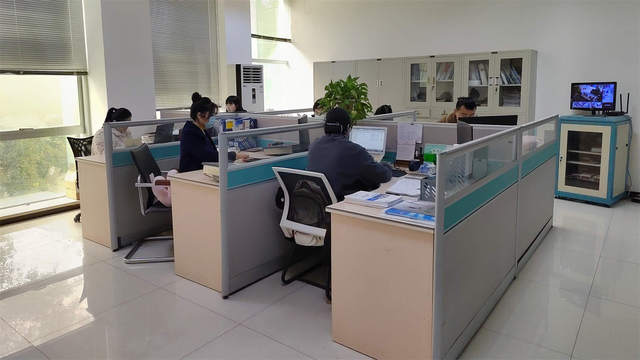
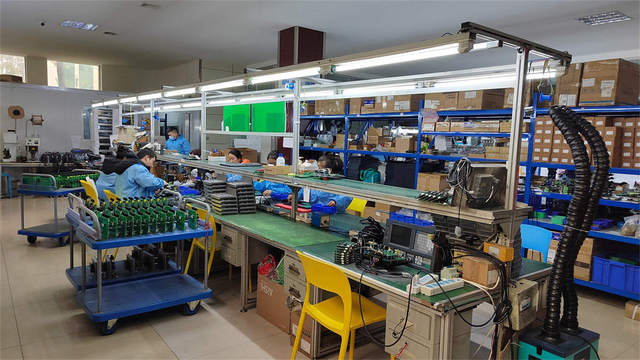
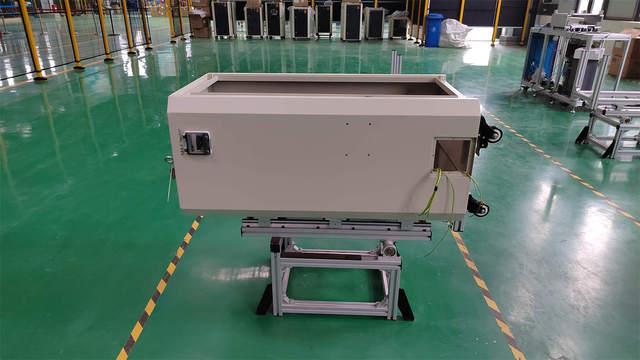
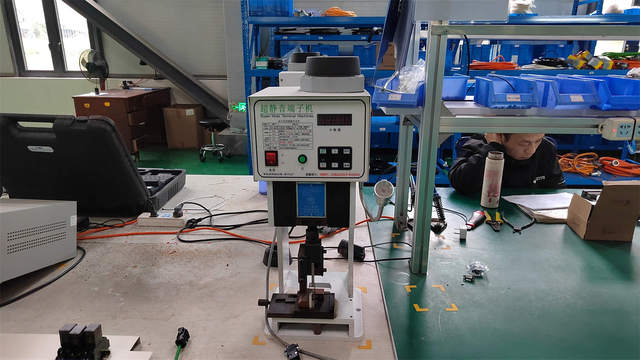
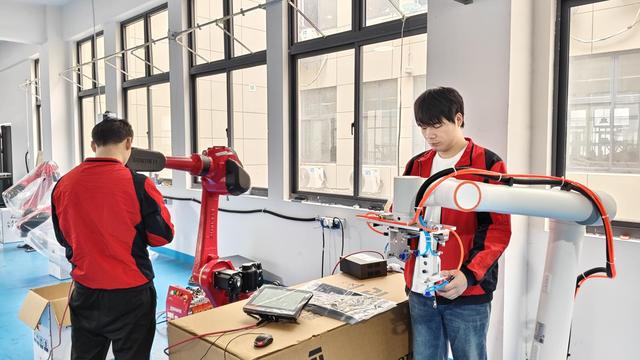
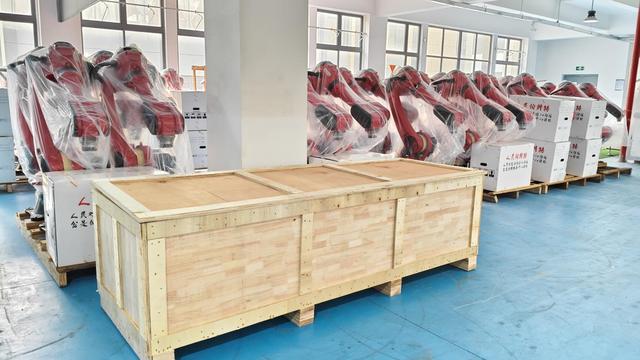
Sandai Robot operates a modern manufacturing facility covering more than 32,000 square meters and employs over 380 experienced engineers, technicians, and production specialists. With 20 automated assembly and testing lines, the company maintains strict quality control procedures throughout design, production, calibration, and final inspection processes. Its annual production capacity exceeds 8,000 industrial robotic welding units, serving customers across automotive manufacturing, metal fabrication, shipbuilding, construction machinery, aerospace components, and heavy industrial equipment sectors.
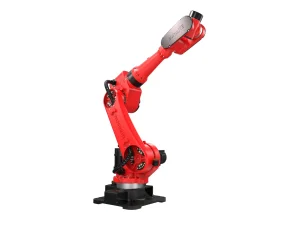
Leveraging high-precision harmonics reducers and high-torque servo motors for sub-millimeter accuracy in 6-DOF movements.
Integrated intelligent path programming software that reduces setup time by 40% using advanced visual positioning algorithms.
Designed for heavy-duty industrial cycles with real-time monitoring systems to predict maintenance needs and minimize downtime.
Why do global enterprises look to Chinese manufacturers for servo-controlled robots? The answer lies in the synergy of scale and innovation. Shenzhen, the "Silicon Valley of Hardware," provides an unparalleled ecosystem for robotics. Shenzhen Sandai Robot Co., Ltd. leverages this ecosystem to offer Information Gain to its clients—combining premium components with cost-effective assembly.
| Feature | Traditional Methods | Sandai Servo-Controlled Systems |
|---|---|---|
| Positional Accuracy | ± 0.5 mm | ± 0.05 mm to 0.02 mm |
| Labor Reduction | Low | Up to 75% increase in efficiency |
| Safety Standards | Basic | Full CE & ISO Compliance with E-Stop protocols |
| Deployment Speed | Weeks | Days (Plug-and-Play Intelligent Calibration) |
Our facility's 20 automated assembly lines ensure that every robot undergoes a rigorous 72-hour stress test before shipping. This commitment to quality has positioned Chinese factories not just as "low-cost producers," but as "high-tech innovators" in the global robotics landscape.
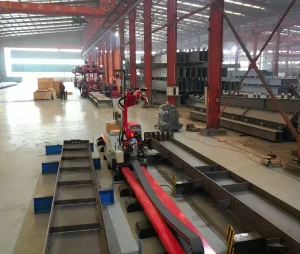
Servo-controlled robots are no longer exclusive to giant automotive assembly lines. Their flexibility allows for localization in various mid-sized industrial scenarios:
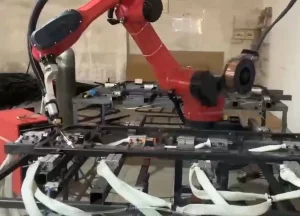
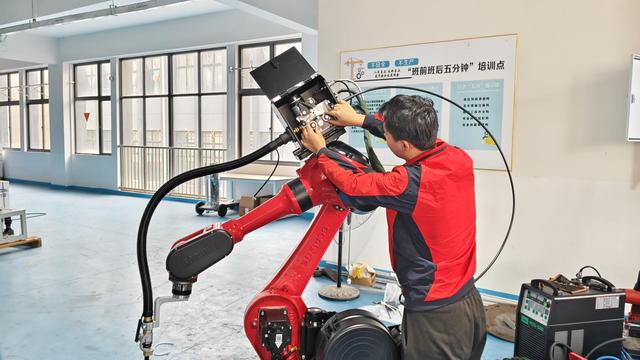
By combining AI visual positioning and servo motion control, Sandai Robot provides stable welding performance even for complex geometries and varying material thicknesses, which are common in custom metal fabrication shops.
 Sandai Robot