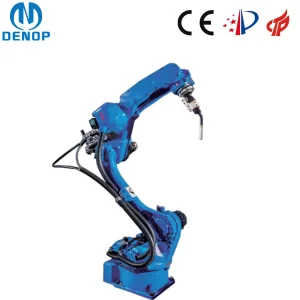
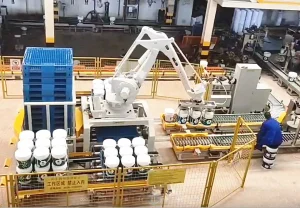
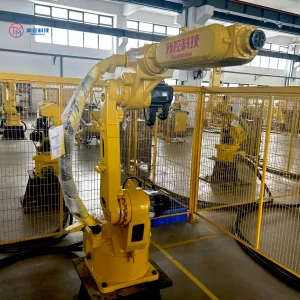
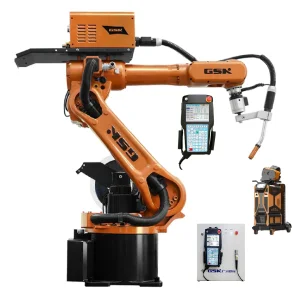
As the "Search Intent" of modern industrial procurement shifts from simple hardware sourcing to comprehensive system integration, the role of a China Robotic Welding Technology Manufacturer has evolved. We are no longer just suppliers; we are strategic partners in the global manufacturing value chain. The demand for robotic welding systems is projected to grow exponentially as industries such as automotive, aerospace, and renewable energy seek to mitigate rising labor costs and the scarcity of skilled manual welders.
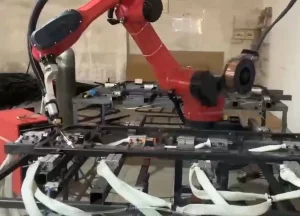
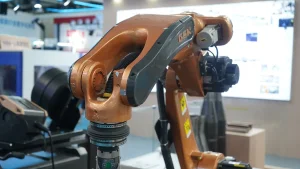
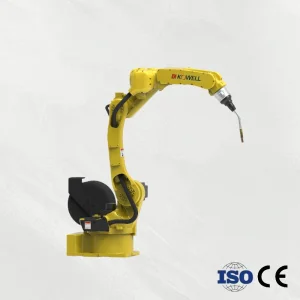
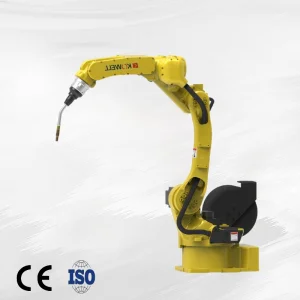
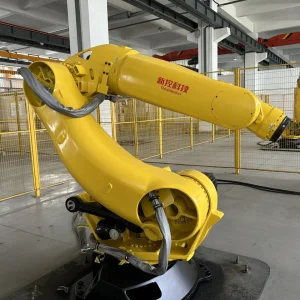
Our 6-axis robot arms utilize advanced algorithmic compensation to maintain ±0.03mm repeatability, even under heavy payload cycles.
Integration of 3D vision systems allows for real-time seam tracking and adaptive welding, correcting for workpiece variances on the fly.
Optimized servo motion control reduces energy consumption by 22% compared to traditional hydraulic or legacy robotic systems.
In the context of "Industry 4.0," robotic welding is the cornerstone of the smart factory. Global commercial trends indicate a move toward Hyper-Automation. By implementing robotic welding technology, manufacturers achieve "Information Gain" through data logging—every weld's voltage, current, and speed are recorded, creating a digital twin of the production process. This level of traceability is critical for sectors like EV battery manufacturing and aerospace structural assembly, where failure is not an option.
Shenzhen Sandai Robot Co., Ltd. is a professional industrial automation enterprise specializing in the development and manufacturing of welding robot arms, robotic welding systems, and intelligent welding automation solutions for global manufacturing industries. Established in 2012 and headquartered in Shenzhen, China, the company integrates advanced robotics technology, precision engineering, software development, and automated production capabilities to deliver reliable and efficient welding solutions worldwide.
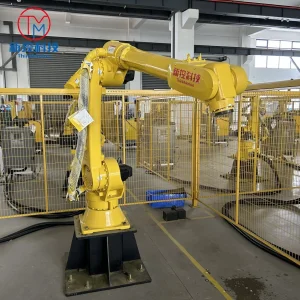
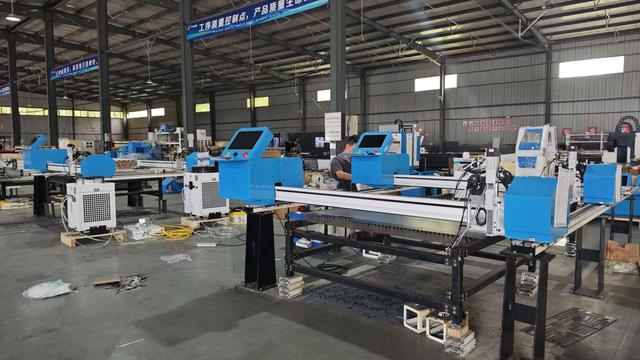
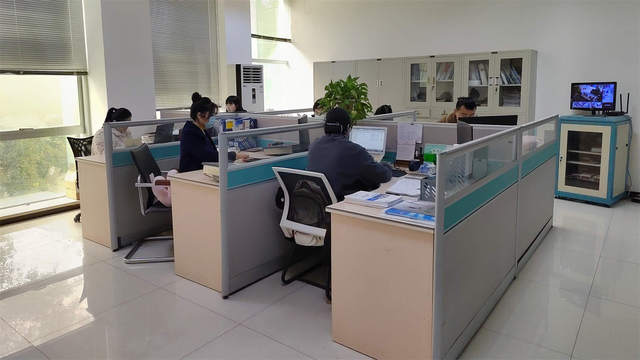
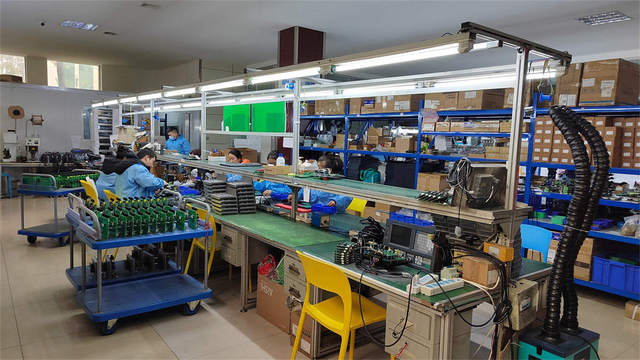
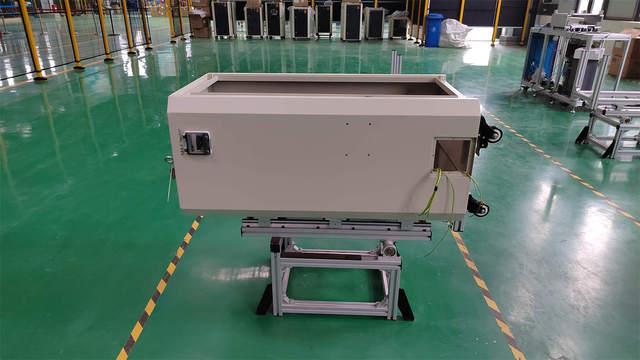
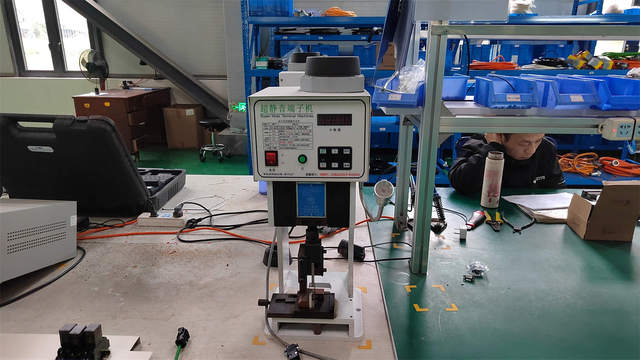
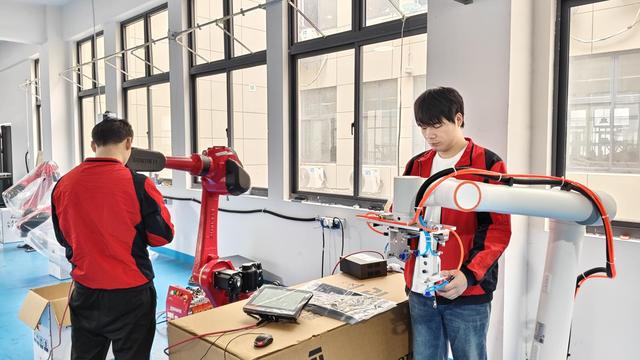
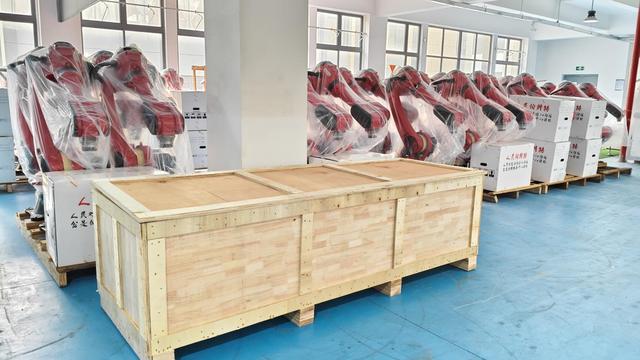
Sandai Robot operates a modern manufacturing facility covering more than 32,000 square meters and employs over 380 experienced engineers, technicians, and production specialists. With 20 automated assembly and testing lines, the company maintains strict quality control procedures throughout design, production, calibration, and final inspection processes. Its annual production capacity exceeds 8,000 industrial robotic welding units, serving customers across automotive manufacturing, metal fabrication, shipbuilding, construction machinery, aerospace components, and heavy industrial equipment sectors.
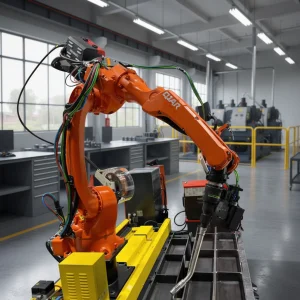
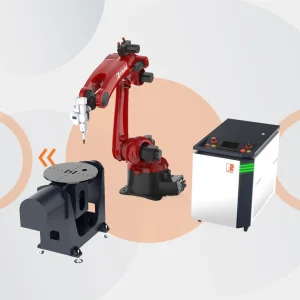
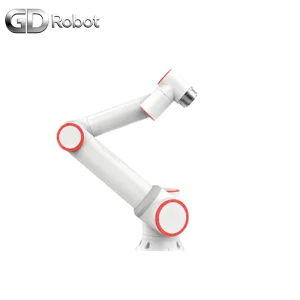
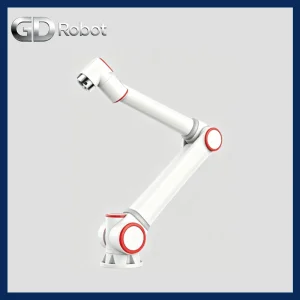
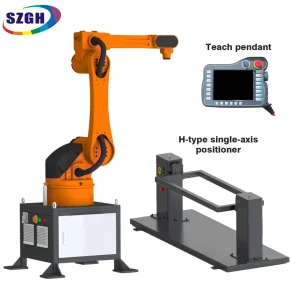
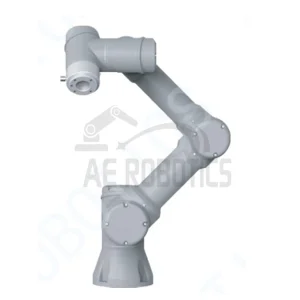
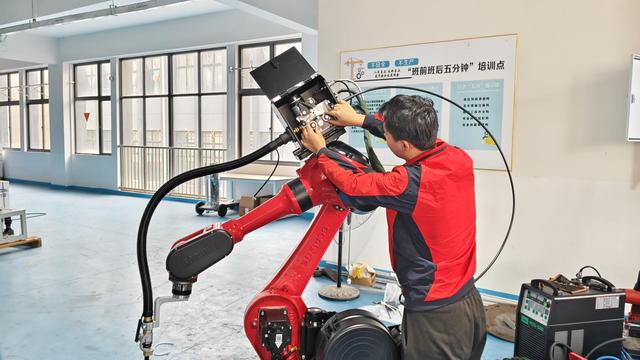
The company’s core product portfolio includes six-axis welding robot arms, collaborative welding robots (cobots), laser welding systems, MIG/TIG robotic welding stations, and automated welding manipulators. By combining AI visual positioning, servo motion control technology, and intelligent path programming, Sandai Robot provides high-precision and stable welding performance for complex industrial applications.
The future of robotic welding lies in the convergence of 5G connectivity and Edge Computing. Our roadmap focuses on three pillars:
Understanding local regulatory environments is a key component of our Information Gain strategy. We ensure all exported units comply with CE (Europe), ANSI/RIA (Americas), and ISO 10218 safety standards. Our global support network includes localized spare parts hubs and 24/7 remote diagnostic services, ensuring that "China Manufacturing" is synonymous with "Global Reliability."
DDP/CIF shipping options with specialized heavy-duty packaging to ensure zero-calibration loss during transit.
Integrated light curtains, emergency stop synchronization, and collision detection sensors for human-robot collaboration.
Customized end-effectors and software APIs to integrate with existing ERP/MES factory systems.
Typically, our clients see a full Return on Investment within 12 to 18 months. This is calculated based on a 250% increase in throughput, a 90% reduction in weld defects, and the ability to operate across three shifts without fatigue-related quality drops.
Our AI vision systems scan the joint before the arc ignites. If the part is misaligned by up to 5mm, the software automatically offsets the robot's coordinates. During welding, the laser seam tracker monitors the melt pool to adjust travel speed and wire feed in real-time.
Yes. Our controllers feature universal communication protocols (EtherNet/IP, DeviceNet, Profibus) that are compatible with major power source brands like Lincoln, Miller, Fronius, and our own proprietary digital welding power supplies.
Standard maintenance involves grease changes every 6,000 hours and annual battery checks for the encoder backup. Our "Smart Maintenance" module alerts operators via the cloud when thermal or vibration patterns deviate from the baseline.
 Sandai Robot