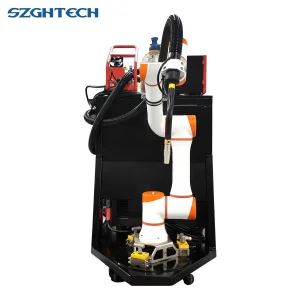
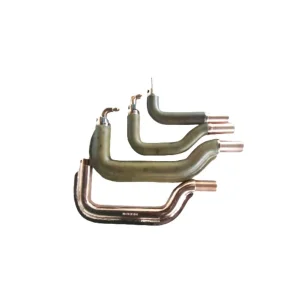
Explore our top-tier high-performance robotic welding solutions, engineered for precision, high speed, and uncompromised industrial reliability.
A premier industrial automation enterprise driving global manufacturing excellence through innovation and engineering precision.
Analyzing the transformation of modern manufacturing and why Chinese production ecosystems lead global robotic cell procurement.
Across North America, Europe, and emerging industrial hubs in Southeast Asia, manufacturers face intense pressures: severe skilled labor shortages, rising material costs, and stringent quality regulations. Traditional manual welding can no longer satisfy high-throughput demands or complex structural geometries. Consequently, industrial enterprises are rapidly migrating toward flexible Robotic Welding Cells that offer 24/7 autonomous operation, zero fatigue, and micron-level repeatability.
China has established an unmatched complete industrial supply chain for robotic automation. From rare-earth permanent magnets for servo motors to high-strength aerospace aluminum alloys and advanced CNC gear cutting, local manufacturing ecosystems enable rapid prototyping, mass scalability, and cost efficiency. Shenzhen Sandai Robot leverages this regional powerhouse to deliver turnkey robotic welding solutions at competitive price points without compromising on build quality or technological sophistication.
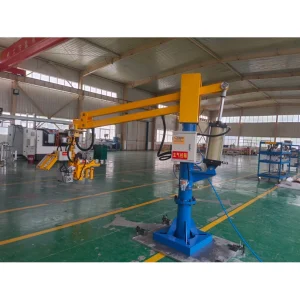
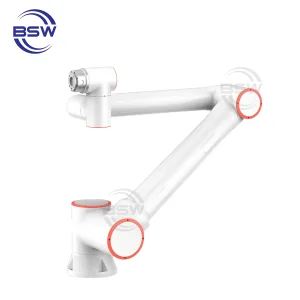
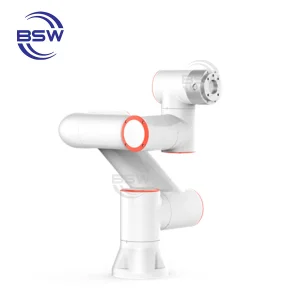
Discover collaborative robots, laser welding systems, and specialized manipulators designed for versatile industrial applications.
How modern industries deploy robotic cells and what global B2B buyers look for when partnering with OEM/ODM manufacturers.
Automotive tier-1 suppliers and heavy equipment builders require high-speed MIG/TIG robotic cells to execute flawless seam welds on chassis frames, exhaust systems, and thick steel plates under rigorous duty cycles.
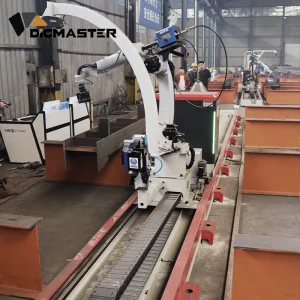
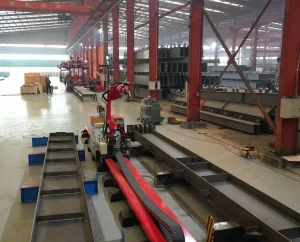
Massive structural H-beams and ship hull sections demand rugged robotic welding arms capable of continuous tracking, laser seam sensing, and deep penetration welding across expansive work envelopes.
Global procurement directors evaluate suppliers based on modular design flexibility, proprietary software integration (PLC/CNC compatibility), CE/ISO certification compliance, and responsive after-sales engineering support.
The next generation of robotic welding cells is being reshaped by artificial intelligence, machine learning, and cloud connectivity.
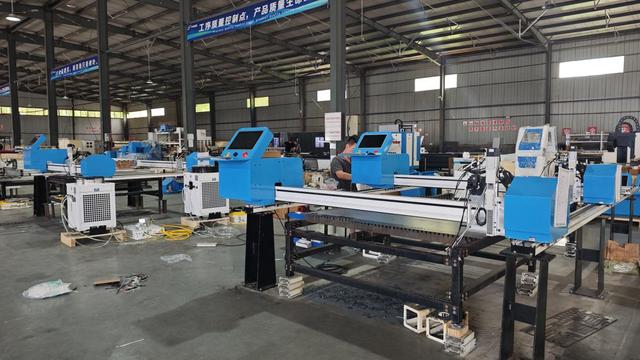
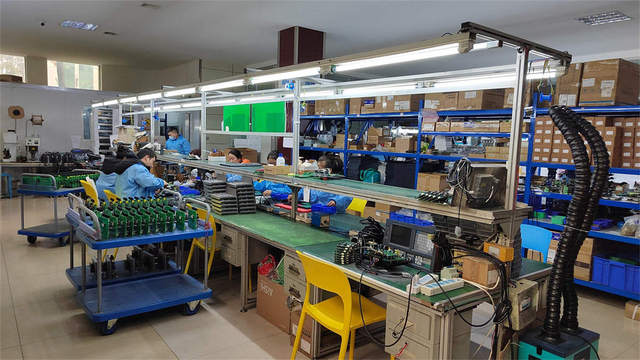
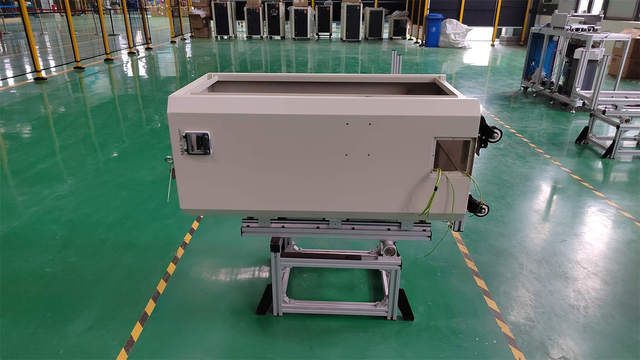
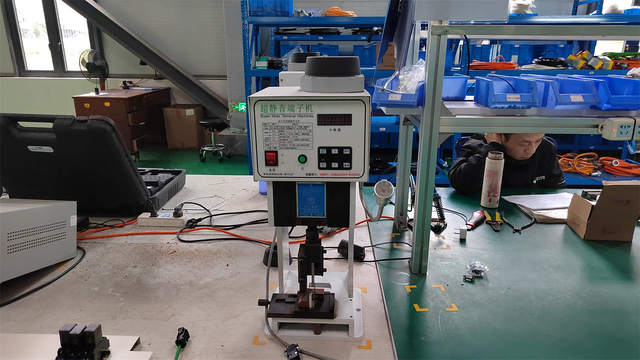
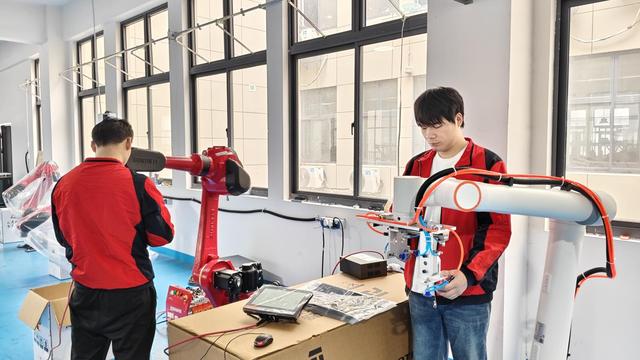
A visual glimpse into our state-of-the-art manufacturing floors, precision calibration labs, and automated assembly workflows.
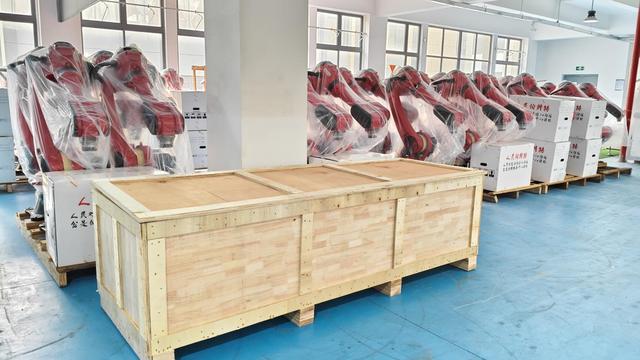
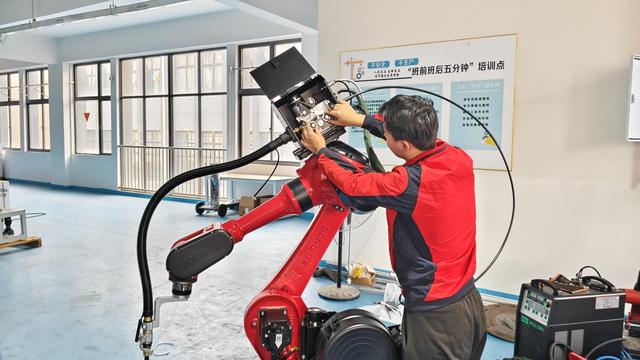
Expert answers regarding our OEM/ODM capabilities, technical specifications, and global logistics support.
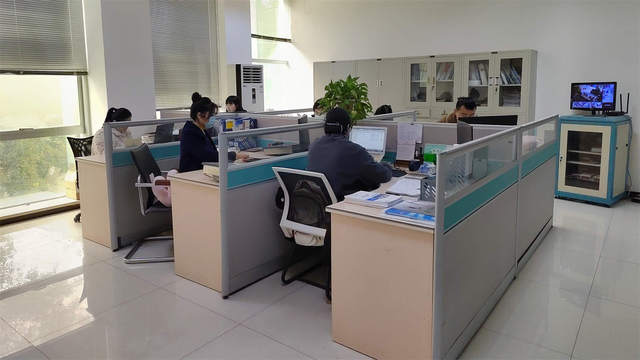
With over a decade of manufacturing excellence, a 32,000+ sqm facility, 20 automated assembly lines, and 380+ skilled professionals, we offer robust R&D, strict ISO-certified quality control, and flexible customization tailored to exact industrial specifications.
Yes. Our systems feature open architecture controllers that seamlessly integrate with mainstream PLC brands (such as Siemens, Mitsubishi, Omron) and leading welding power sources (such as Lincoln Electric, Miller, Panasonic, Fronius).
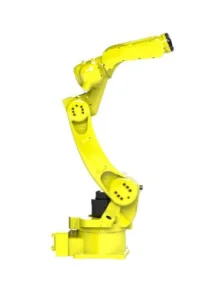
We combine high-resolution multi-axis servo motion control, AI visual positioning systems, laser seam tracking sensors, and heavy-duty mechanical manipulators to guarantee micron-level repeatability and flawless weld bead formation.
Standard robotic arm units are typically available for prompt delivery. Customized turnkey robotic cells generally require 4 to 8 weeks depending on engineering complexity, fixture design, and rigorous pre-shipment factory testing.
 Sandai Robot