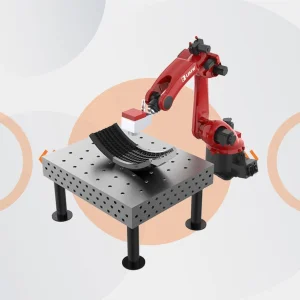
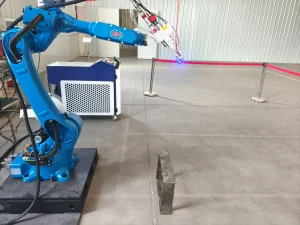
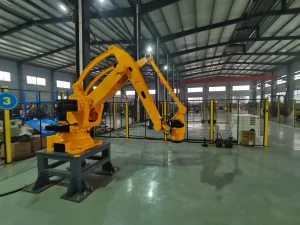
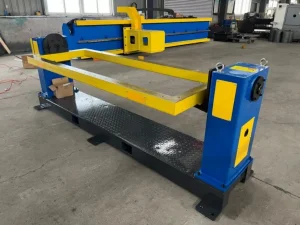
Advanced robotic systems engineered for durability, speed, and uncompromising accuracy.
Strategic Insights into the Evolution of Industrial Automation and China's Manufacturing Dominance.
The global industrial landscape is undergoing a seismic shift towards Industry 4.0, where the convergence of robotics, AI, and Big Data is redefining productivity. At the heart of this transformation is the High-Performance Welding Robot. No longer just a luxury for the automotive elite, these precision instruments have become indispensable for manufacturers seeking to overcome labor shortages, rising costs, and the demand for micron-level consistency.
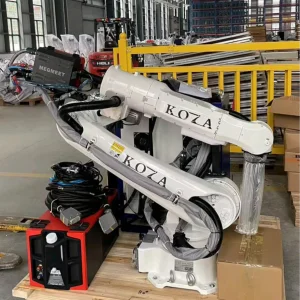
Across Europe, North America, and Southeast Asia, the manufacturing sector faces a critical shortage of skilled welders. The "Silver Tsunami" of retiring tradespeople has left a void that only automation can fill. High-performance welding robots offer a 24/7 operational cycle, eliminating human fatigue and reducing weld defects by over 95%. From the heavy shipyards of Korea to the aerospace hubs in Germany, the demand for 6-axis articulation and laser-guided accuracy has seen a compound annual growth rate (CAGR) of over 12%.
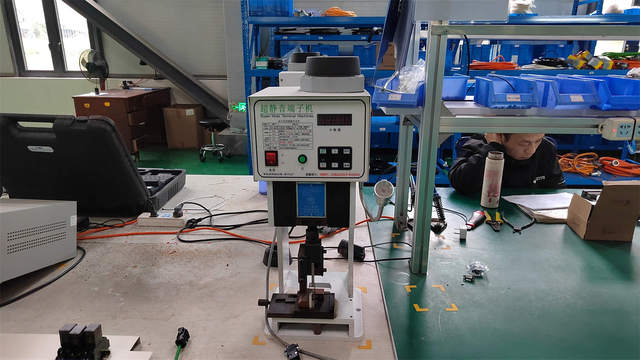
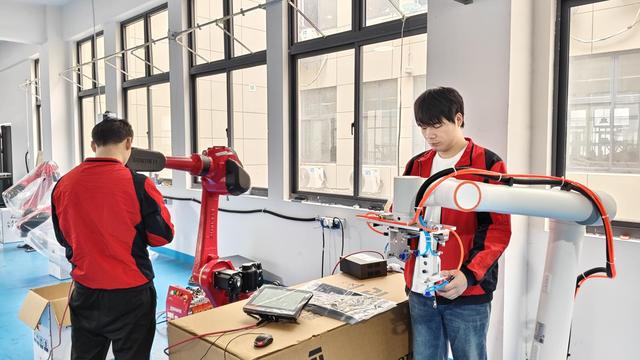
Shenzhen Sandai Robot Co., Ltd. represents the pinnacle of Chinese engineering. Established in 2012, our headquarters in Shenzhen places us at the epicenter of the global hardware ecosystem. Unlike traditional manufacturers, Sandai integrates the entire value chain—from R&D in servo motion control to the final calibration of 15kg payload robotic arms.
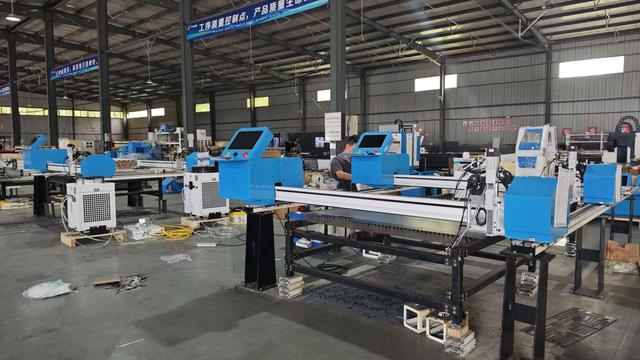
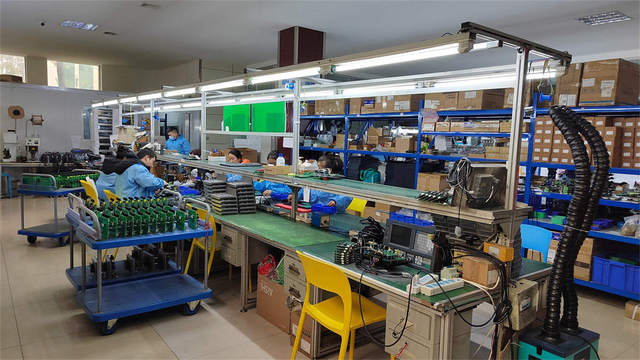
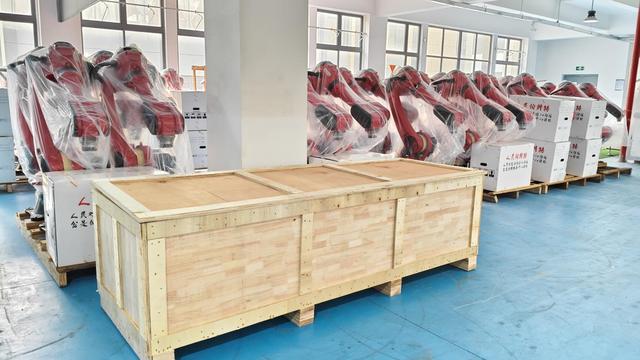
Our facility spans 32,000 square meters, housing 20 automated assembly lines. This scale allows us to produce over 8,000 units annually, ensuring that global partners receive their equipment with industry-leading lead times. The China advantage isn't just about cost; it's about Information Gain—the rapid iteration of software and hardware based on real-time feedback from the world’s most diverse manufacturing base.
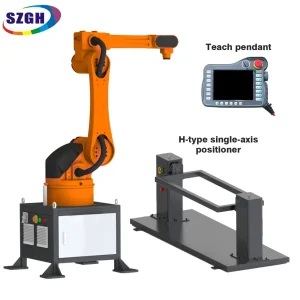
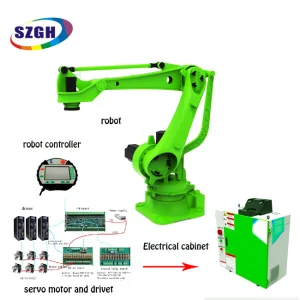
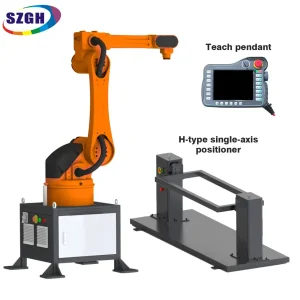
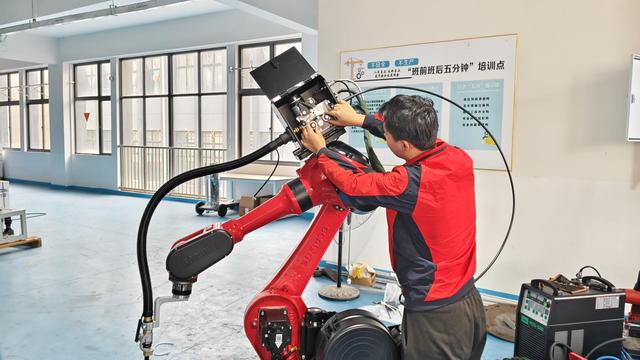
Our core portfolio, featuring the SZGH-T1600 series, is designed for the most demanding environments. With an IP65 rating, these robots thrive in the dust and heat of heavy metal fabrication. Key technical differentiators include:
Advanced cameras and neural networks allow the robot to identify seam positions in real-time, compensating for workpiece misalignments automatically.
One platform for MIG, TIG, Arc, and Fiber Laser welding. Switching between tasks requires minimal downtime.
Sophisticated torque sensors protect both the robotic arm and the welding torch from accidental damage, ensuring workplace safety.
The versatility of our robots allows them to be deployed in highly specialized local contexts:
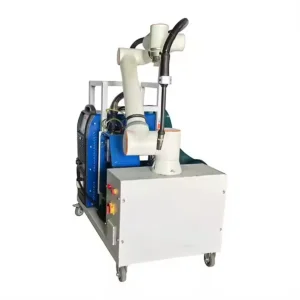
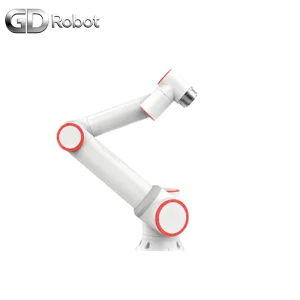
Looking toward 2030, the industry is moving toward Collaborative Robots (Cobots) that can work alongside humans without safety cages. We are also seeing the rise of Digital Twins, where a virtual model of the welding cell optimizes the path planning before a single spark is struck. Sandai Robot is at the forefront of these trends, investing over 15% of annual revenue into R&D for AI-driven path optimization and cloud-based predictive maintenance.
Expert answers for global procurement managers and engineers.
Explore our full range of collaborative, industrial, and specialized robotic arms.
 Sandai Robot