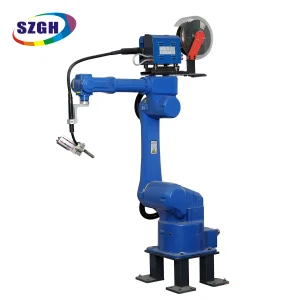
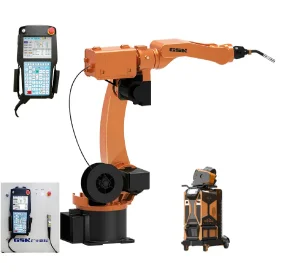
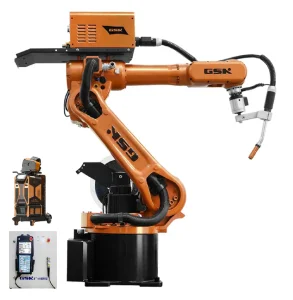
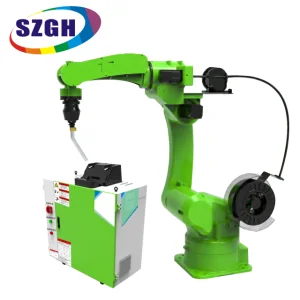
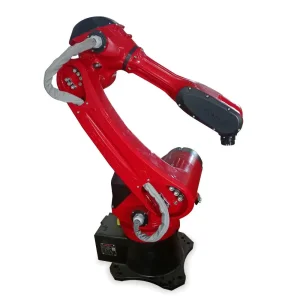
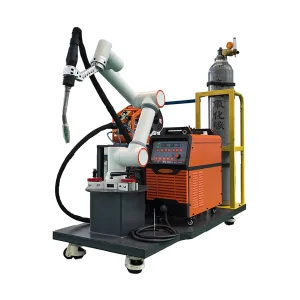
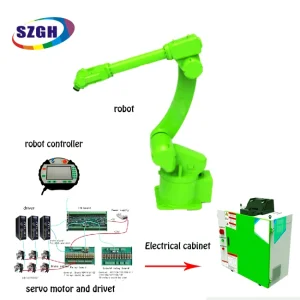
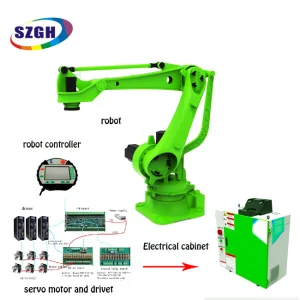
Shenzhen Sandai Robot Co., Ltd. is a professional industrial automation enterprise specializing in the development and manufacturing of welding robot arms, robotic welding systems, and intelligent welding automation solutions for global manufacturing industries. Established in 2012 and headquartered in Shenzhen, China, the company integrates advanced robotics technology, precision engineering, software development, and automated production capabilities to deliver reliable and efficient welding solutions worldwide.
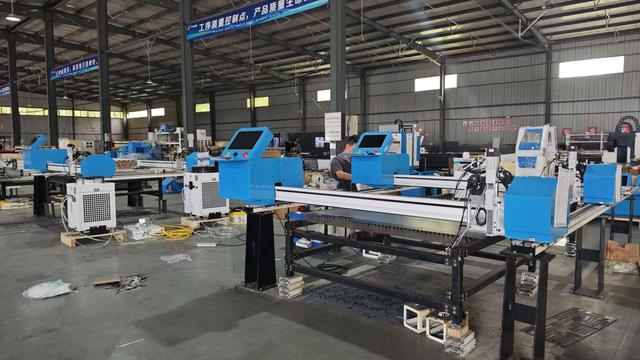
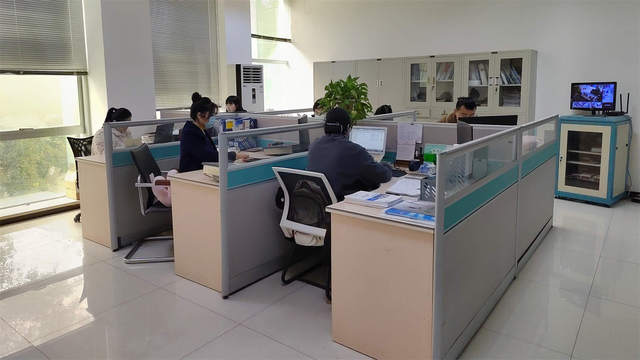
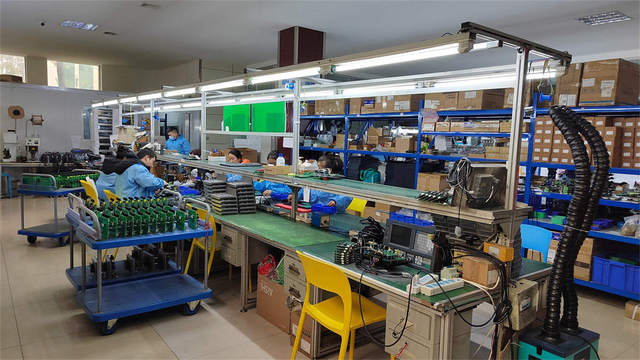
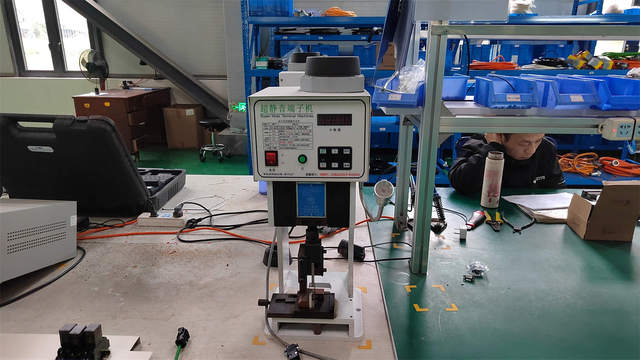
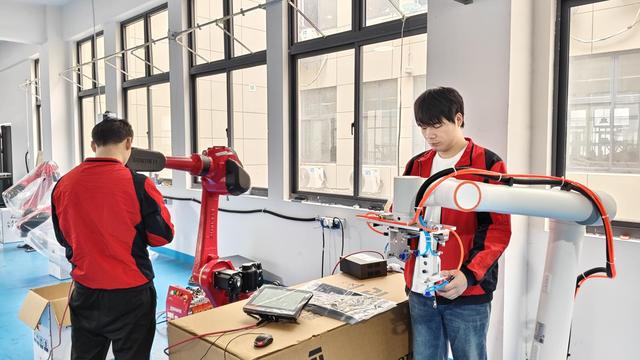
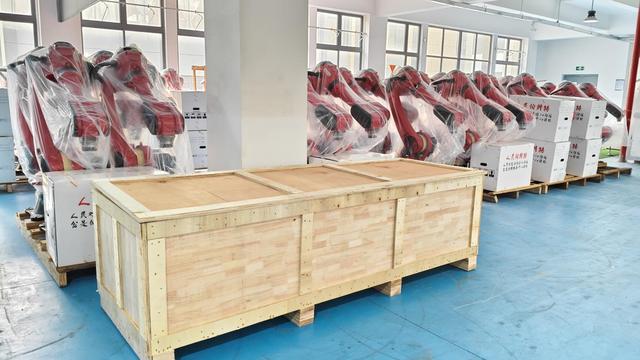
Sandai Robot operates a modern manufacturing facility covering more than 32,000 square meters and employs over 380 experienced engineers, technicians, and production specialists. With 20 automated assembly and testing lines, the company maintains strict quality control procedures throughout design, production, calibration, and final inspection processes. Its annual production capacity exceeds 8,000 industrial robotic welding units, serving customers across automotive manufacturing, metal fabrication, shipbuilding, construction machinery, aerospace components, and heavy industrial equipment sectors.
In the current "Industry 4.0" era, automotive welding is transitioning from simple robotic repetition to "Cognitive Automation." At Sandai Robot, our technical roadmap focuses on the convergence of AI visual positioning, high-frequency arc sensing, and Digital Twin integration. This ensures that every weld bead—whether for a chassis, pillar, or EV battery tray—meets the stringent safety standards of the global automotive industry.
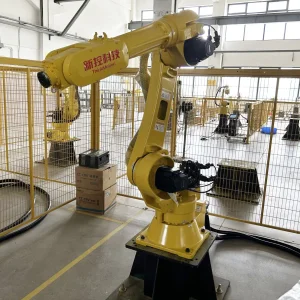
Modern automotive manufacturing demands extreme flexibility. Our 6-axis systems are designed with "Information Gain" in mind, providing real-time data feedback on weld penetration, thermal input, and wire consumption. This predictive maintenance capability reduces downtime by 35% compared to legacy systems.
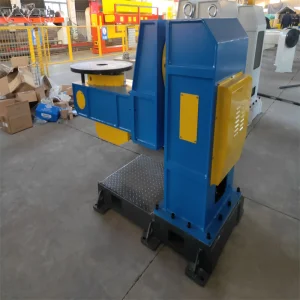
Coordination between robotic arms and 2-axis servo positioners for 360-degree accessibility.
3D laser tracking to compensate for workpiece tolerances in real-time.
AI algorithms adjusting welding parameters based on material variation (Aluminum vs. High-Strength Steel).
The core of Sandai Robot’s dominance lies in the unmatched ecosystem of Shenzhen. By leveraging a localized supply chain for high-precision harmonic reducers, servo drives, and industrial controllers, we provide high-performance robotics at 40% lower TCO (Total Cost of Ownership) than traditional Western alternatives. This resilience ensures that global automotive OEMs can scale production without the risks of cross-continental component shortages.
Low-heat CMT (Cold Metal Transfer) welding to prevent deformation in aluminum battery enclosures, crucial for electric vehicle longevity.
Heavy-duty MIG welding with multi-pass intelligent pathing for structural integrity in SUVs and commercial trucks.
High-speed TIG robotic cells for thin-walled stainless steel pipes, ensuring zero-leakage and aesthetic weld seams.
Our commitment to Experience, Expertise, Authoritativeness, and Trustworthiness is reflected in our 24/7 global support network. Whether you are in Southeast Asia, Europe, or the Americas, Sandai Robot provides localized software interfaces and field service engineers to ensure your automotive assembly line never stops.
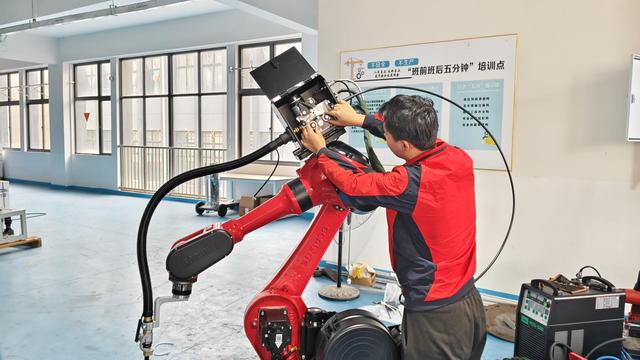
The global automotive welding robot market is projected to grow at a CAGR of 8.4%, driven by the transition to Lightweight Materials and the explosion of the EV market. Leading manufacturers are no longer just selling "hardware"; they are selling "uptime." Sandai Robot addresses this by offering Plug-and-Play integration with mainstream automotive production protocols like Profinet, EtherNet/IP, and DeviceNet.
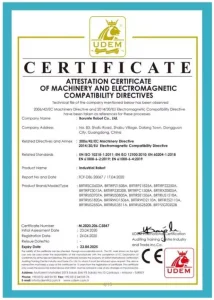
Our "Information Gain" approach extends to regulatory compliance. Each system is built to meet the North American ANSI/RIA R15.06 and the European ISO 10218 safety standards, ensuring that our partners in any jurisdiction are protected from legal and operational hazards.
A: Our robots utilize high-resolution encoders and AI visual positioning to maintain a constant torch angle and speed within ±0.05mm. This eliminates human error, reduces splash by 40%, and ensures every weld meets the required structural penetration depths.
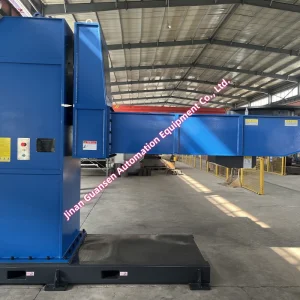
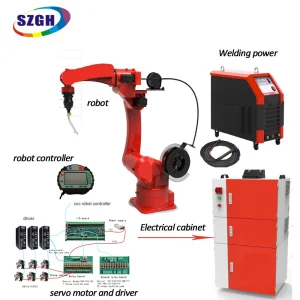
A: Yes. Our 6-axis controllers support a wide range of industrial communication protocols. We provide customized PLC integration services and gantry systems (like our GD20 model) to fit into space-constrained environments.
A: Our systems are optimized for Carbon Steel, Stainless Steel, Aluminum alloys, and even High-Strength Steel (HSS) commonly used in modern automotive frames, using specialized MIG, TIG, or Laser welding heads.
A: We offer remote diagnostic support, localized training through our regional agents, and a comprehensive spare parts supply chain. Our software supports multiple languages, including English, Spanish, German, and French.
A: It uses high-speed digital control of the power source to sync with the robot's movement, micro-adjusting the arc voltage hundreds of times per second. This results in cleaner welds and significantly less post-weld cleanup time.
 Sandai Robot