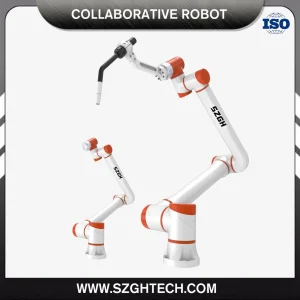
High-precision collaborative solutions engineered for New South Wales manufacturing standards.
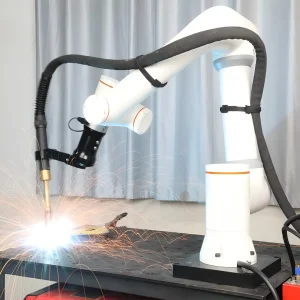
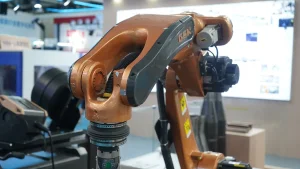
As Australia's leading economic hub, Sydney is witnessing a transformative shift toward Advanced Manufacturing. With the development of the Western Sydney Aerotropolis and the NSW Government's Modern Manufacturing Strategy, local factories are transitioning from labor-intensive processes to high-precision automation. However, the Sydney market faces unique challenges: high labor costs, a shortage of certified welders, and strict safety regulations (AS/NZS 4024.1).
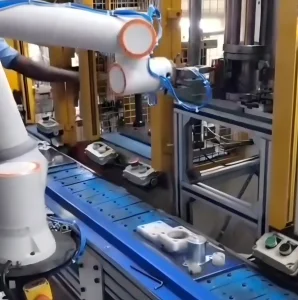
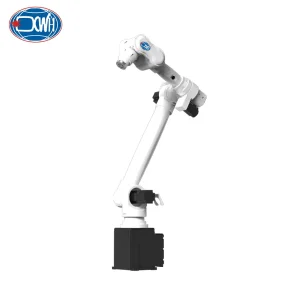
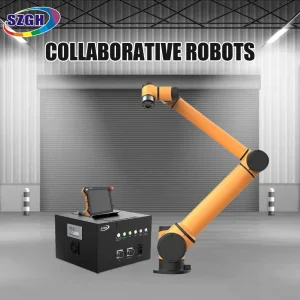
This is where Collaborative Welding Robots (Cobots) become a strategic advantage. Unlike traditional industrial robots that require extensive safety fencing, cobots are designed to work alongside human operators. For Sydney's SME fabricators in Smithfield, Wetherill Park, and Campbelltown, this means rapid deployment, lower footprint, and an immediate return on investment (ROI) by maximizing "Information Gain" through AI-path optimization.
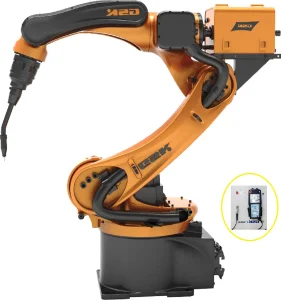
Global manufacturing leaders are no longer just looking for "hardware"; they are seeking intelligent ecosystems. Shenzhen Sandai Robot Co., Ltd. integrates 6-axis precision with AI visual positioning and real-time monitoring. For global procurement officers, our systems offer seamless integration with existing ERP/MES infrastructures.
Technical Roadmap: Our R&D focus for 2025-2030 includes:
Ensuring Sydney manufacturers receive world-class technology with local reliability.
Sandai Robot provides more than just machinery; we provide a bridge between Shenzhen’s high-tech manufacturing speed and Australia’s stringent quality requirements. Our welding robot arms comply with international safety standards, ensuring that your facility remains compliant while boosting throughput.
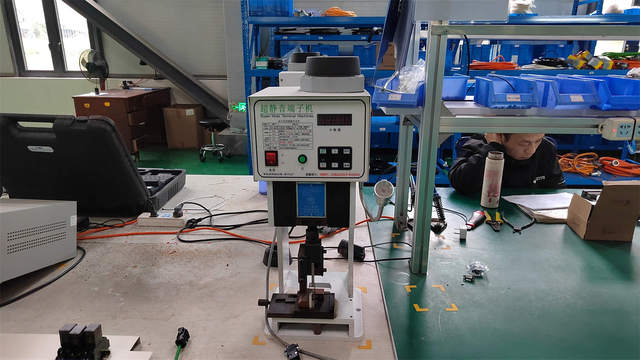
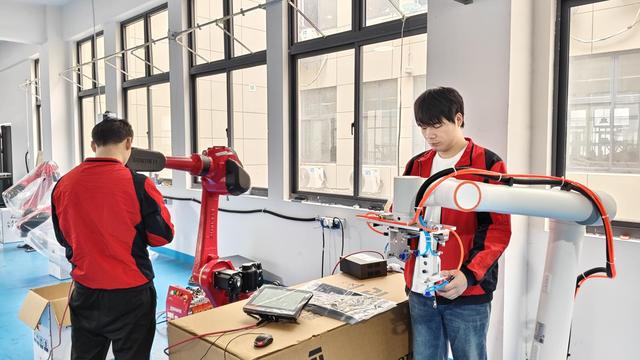
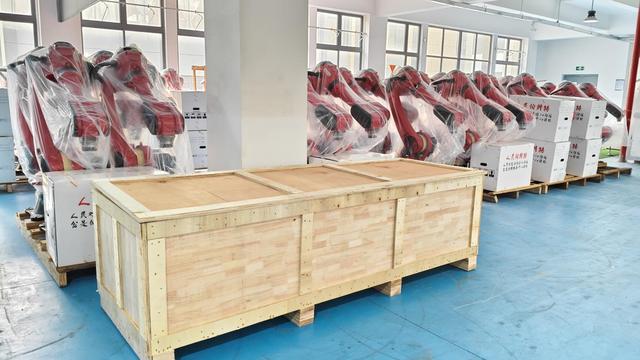
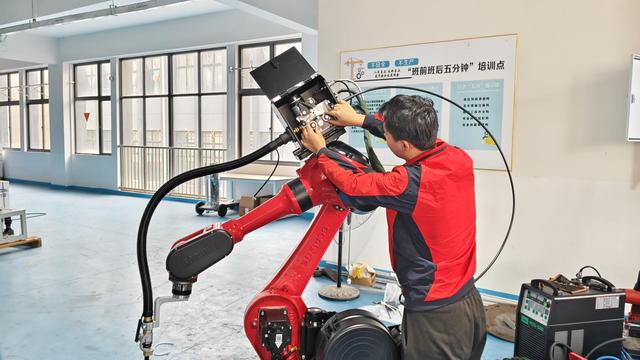
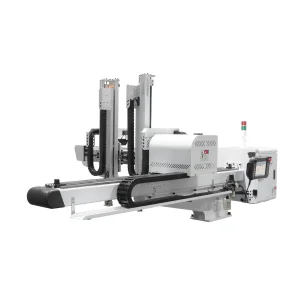
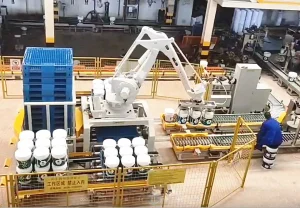
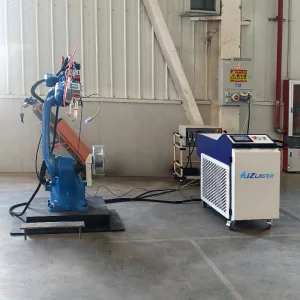
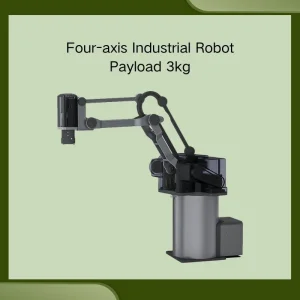
Comprehensive solutions ranging from precision laser welding to heavy industrial stacking.
Expert insights for decision-makers and engineers.
In Sydney and across Australia, cobots must adhere to AS/NZS 4024.1 safety standards. Our collaborative robots include integrated force-torque sensors that trigger an immediate stop upon contact with a human operator, ensuring a safe work environment without traditional fencing.
Given the high labor costs in New South Wales, most Sydney clients see a full ROI within 12 to 18 months. This is achieved through 24/7 operation capabilities, reduction in welding rework, and optimized wire usage.
Yes. Our Sydney-ready systems support MIG, TIG, and Laser welding configurations. The software includes pre-configured pulse profiles specifically designed for high-grade aluminum and stainless steel often used in the Sydney aerospace and marine sectors.
We provide comprehensive remote technical support and work with local Sydney-based integration partners to ensure on-site maintenance and staff training on our intuitive AI programming interface.
Standard units typically have a lead time of 4-6 weeks. Custom-configured systems for specific Sydney industrial applications may take 8-10 weeks including rigorous factory testing (FAT) before shipment.
Our robot arms are designed with open-architecture protocols, making them compatible with major welding machine brands (Lincoln, Miller, Fronius, etc.) commonly used in Australian workshops.
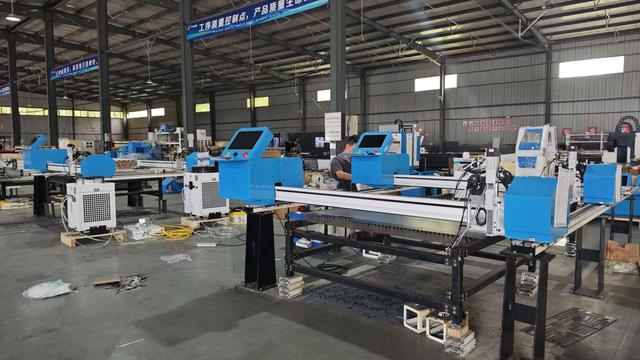
Shenzhen Sandai Robot Co., Ltd. is a professional industrial automation enterprise specializing in the development and manufacturing of welding robot arms, robotic welding systems, and intelligent welding automation solutions for global manufacturing industries. Established in 2012 and headquartered in Shenzhen, China, the company integrates advanced robotics technology, precision engineering, software development, and automated production capabilities to deliver reliable and efficient welding solutions worldwide.
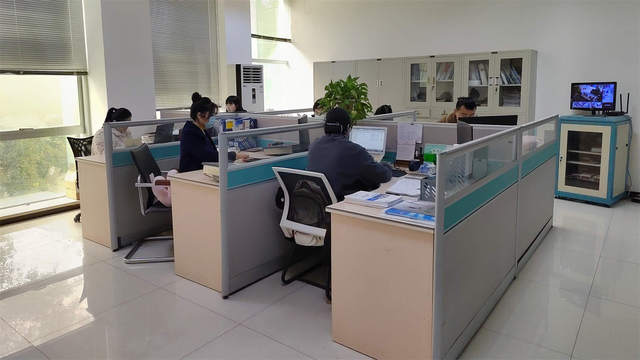
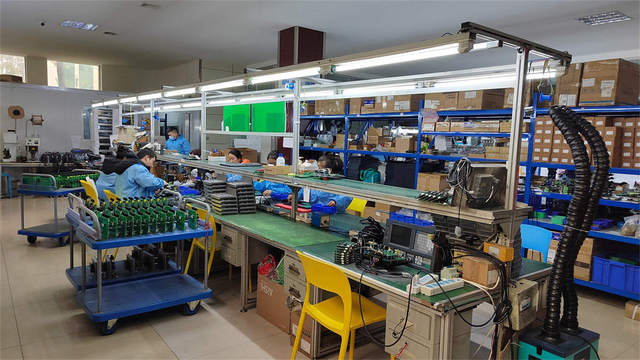
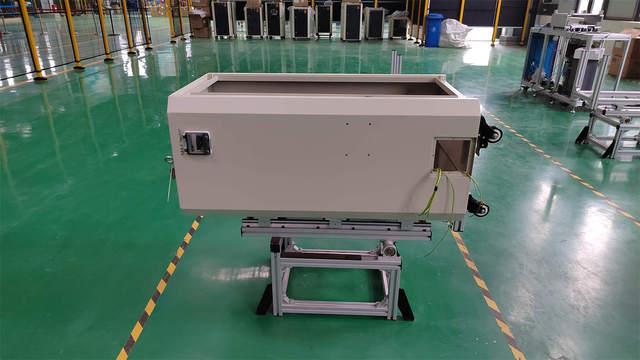
Sandai Robot operates a modern manufacturing facility covering more than 32,000 square meters and employs over 380 experienced engineers, technicians, and production specialists. With 20 automated assembly and testing lines, the company maintains strict quality control procedures throughout design, production, calibration, and final inspection processes. Its annual production capacity exceeds 8,000 industrial robotic welding units, serving customers across automotive manufacturing, metal fabrication, shipbuilding, construction machinery, aerospace components, and heavy industrial equipment sectors.
 Sandai Robot