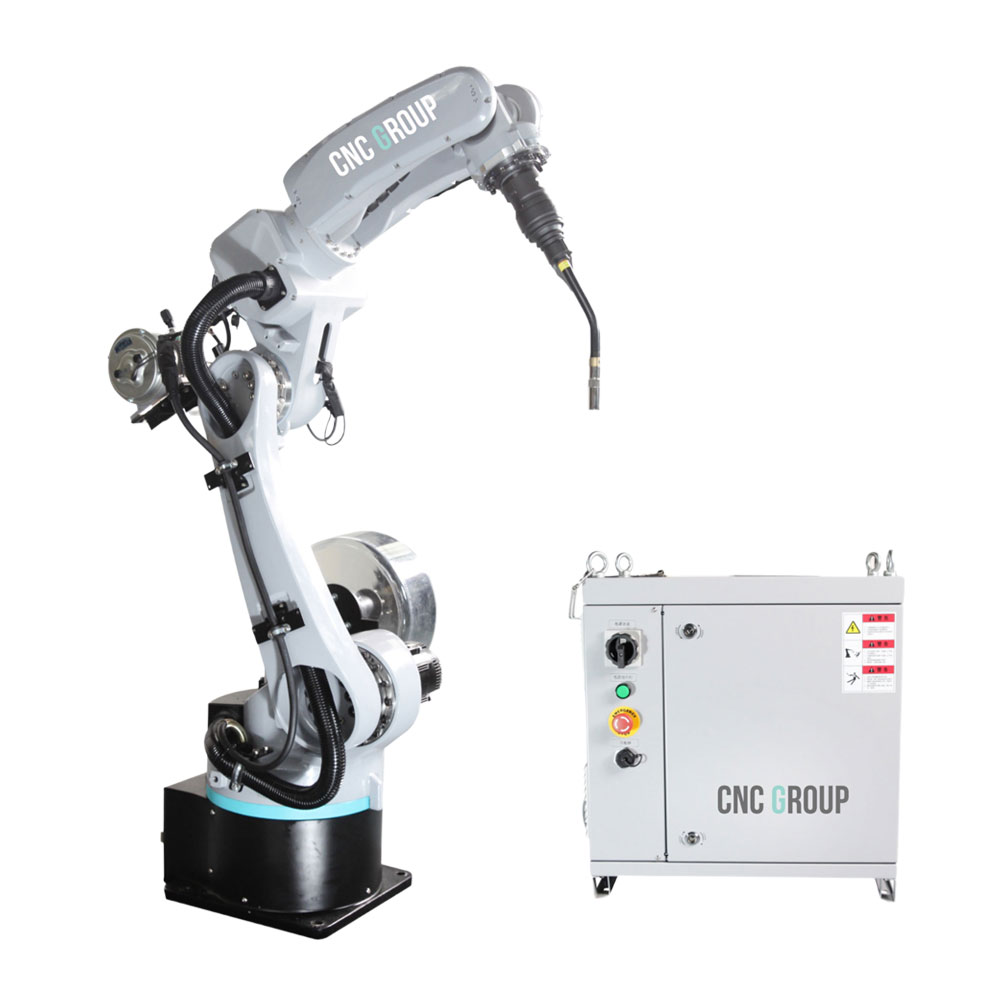
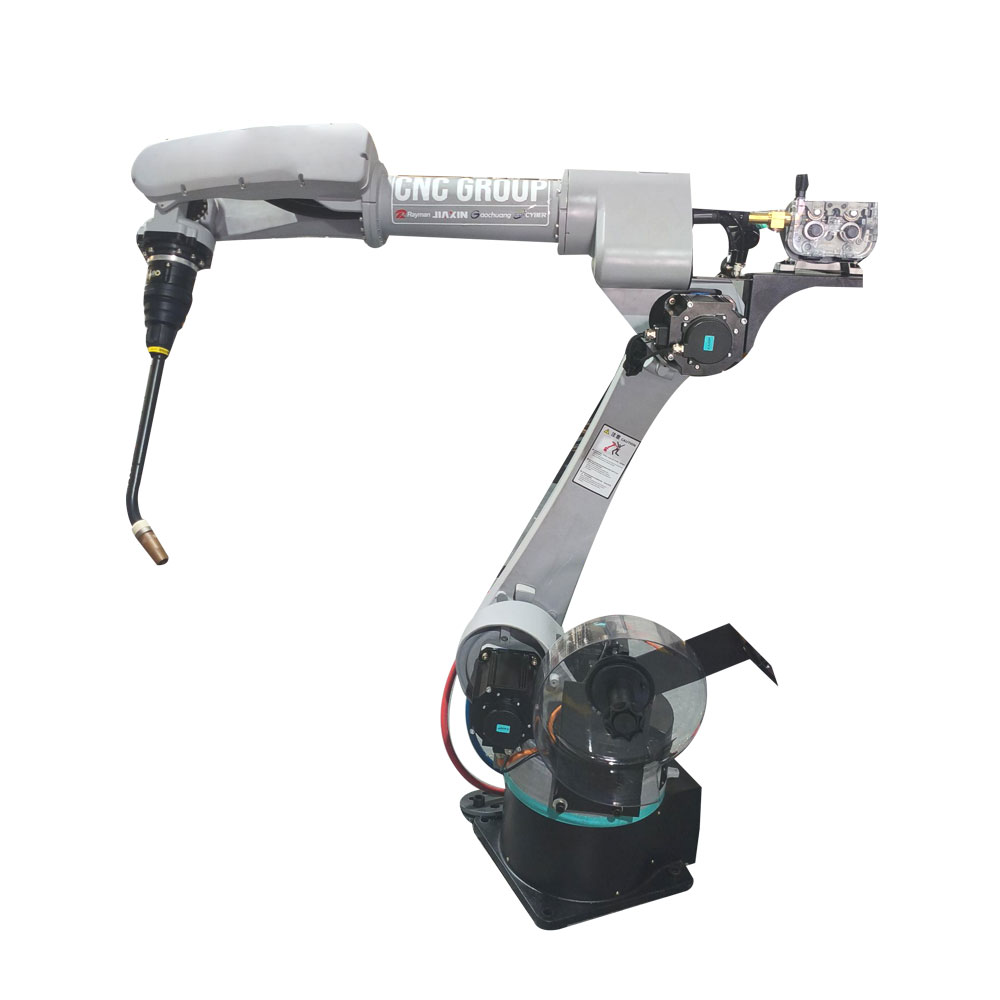
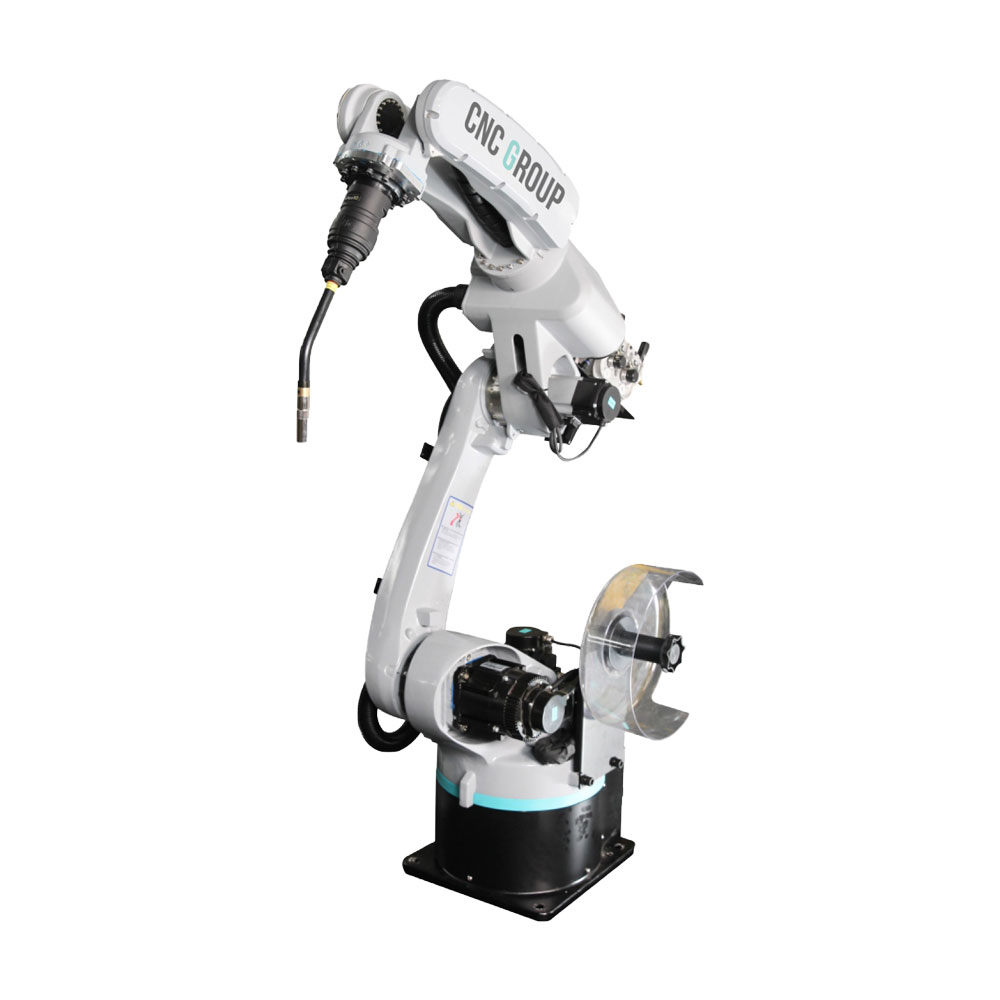
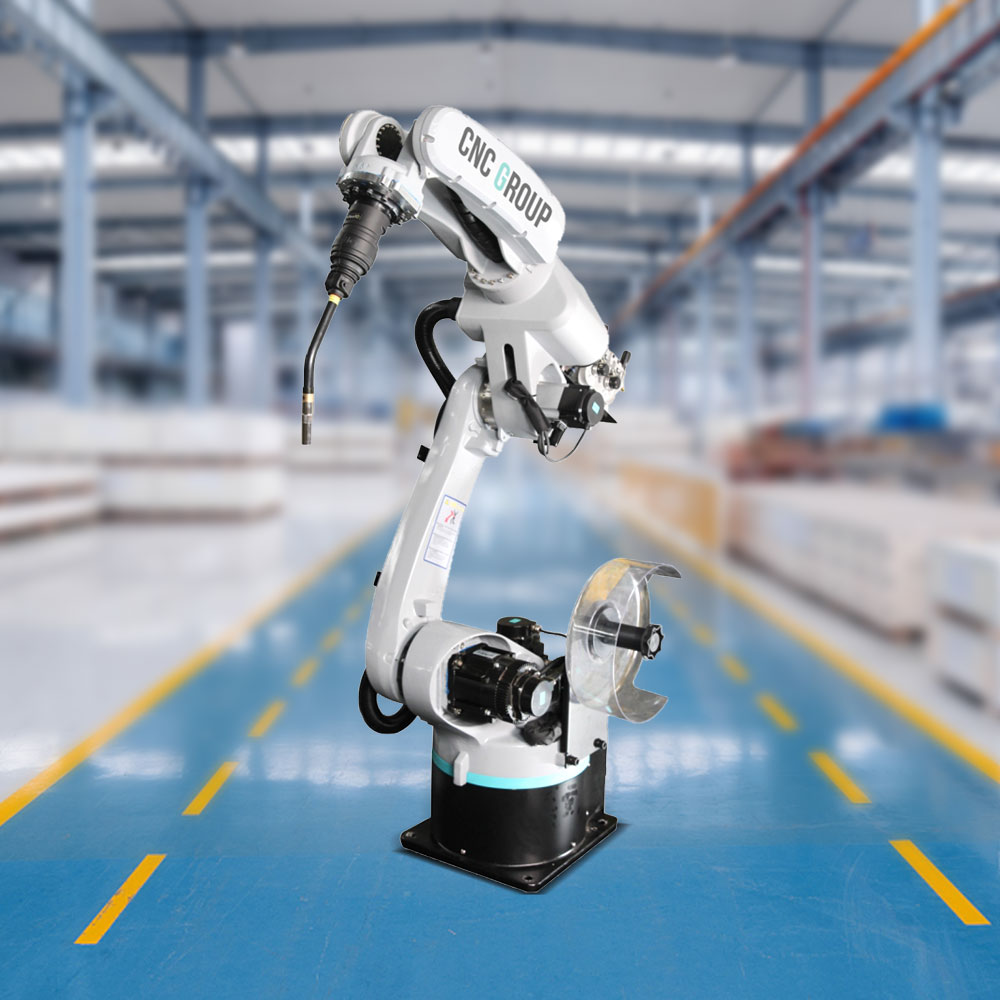
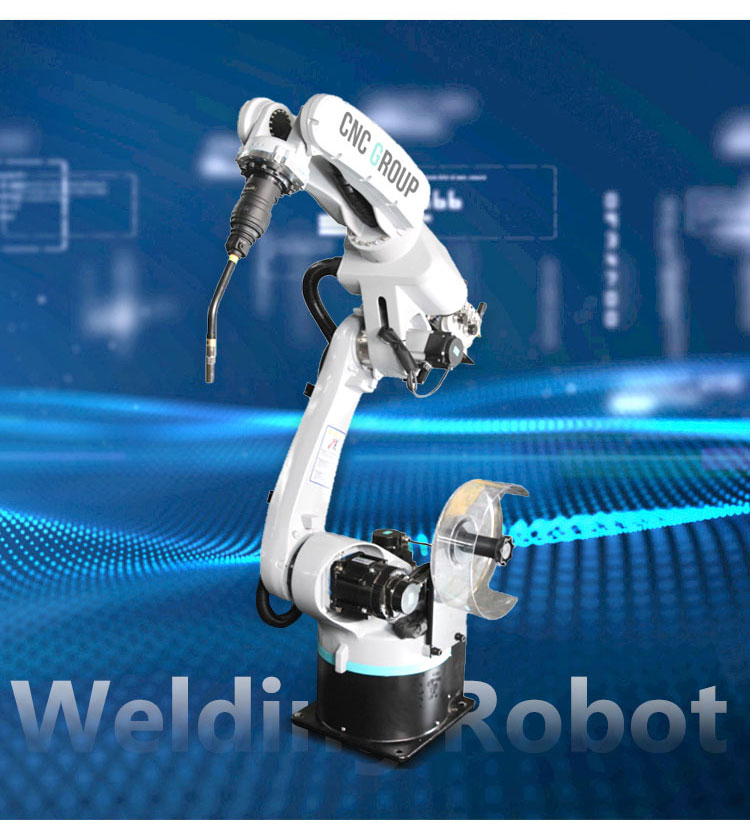
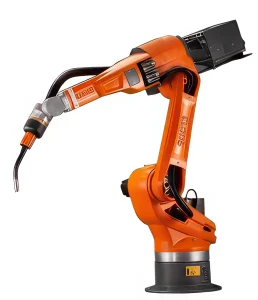
CNC Industrial Robots
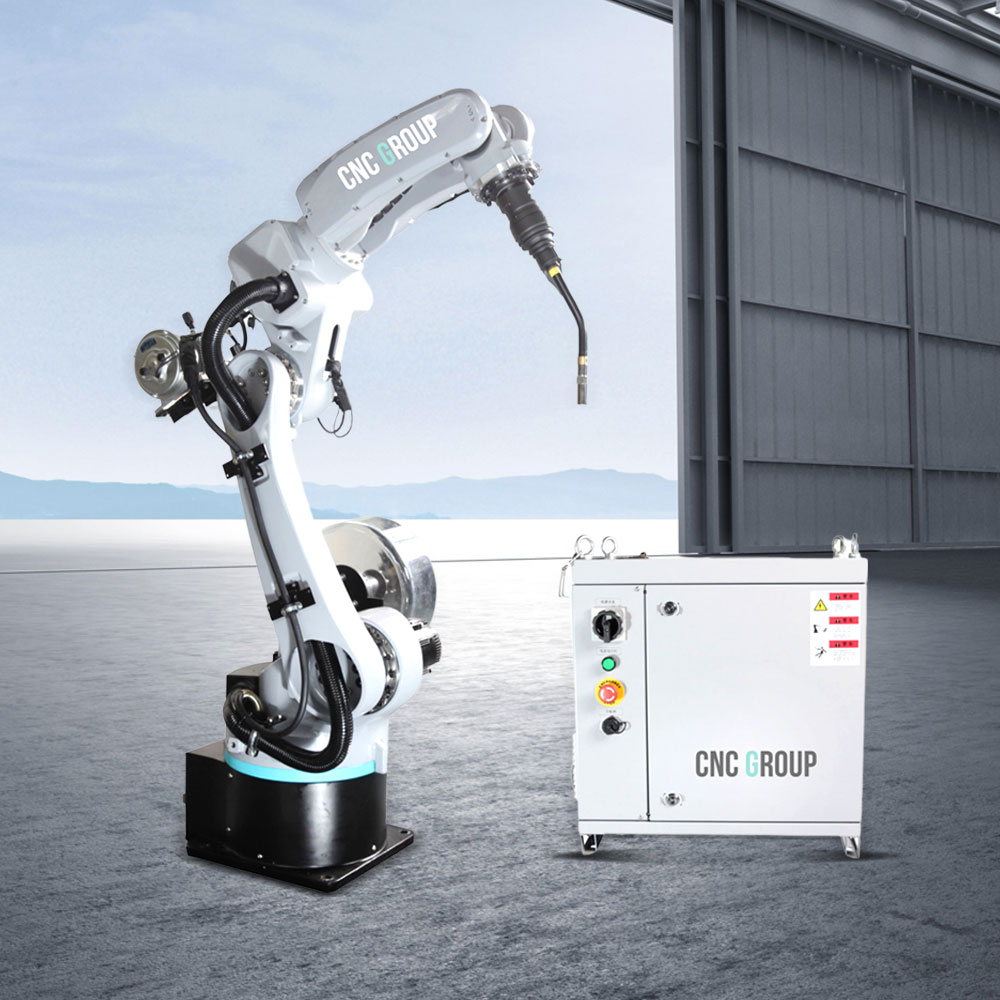
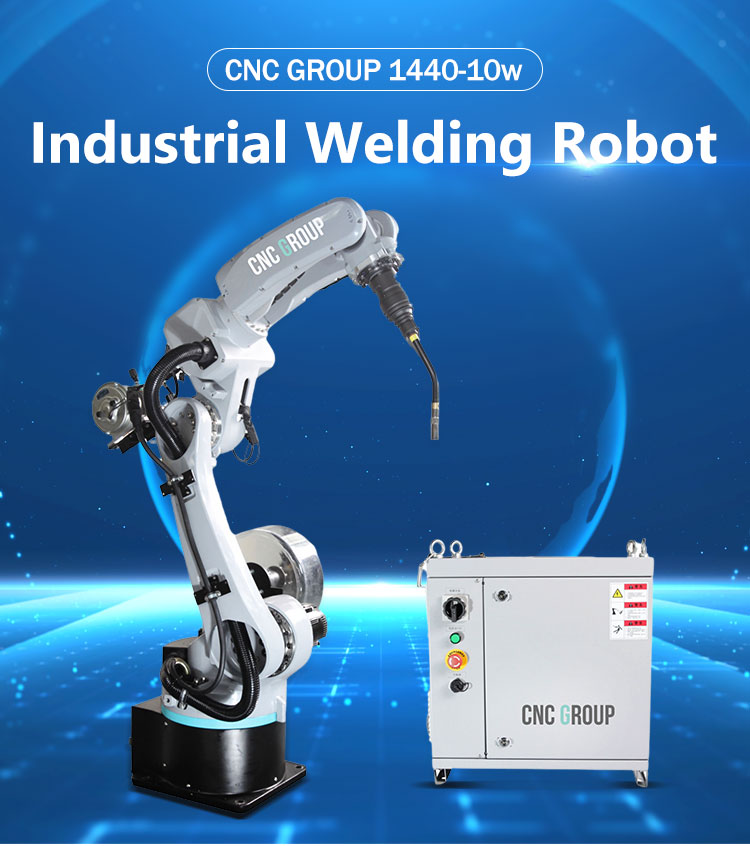
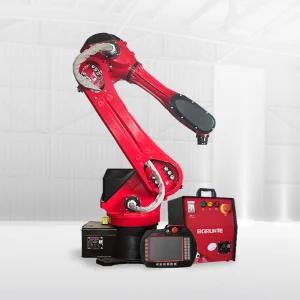
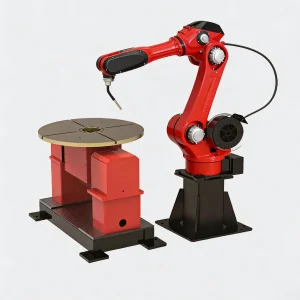
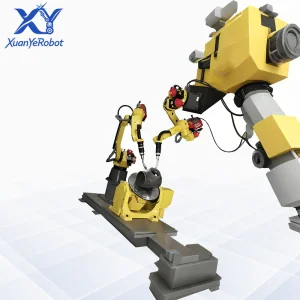
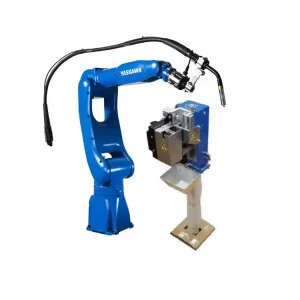
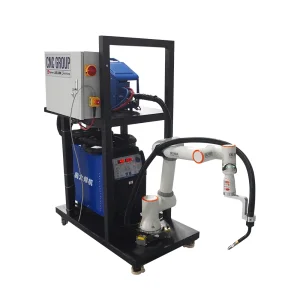
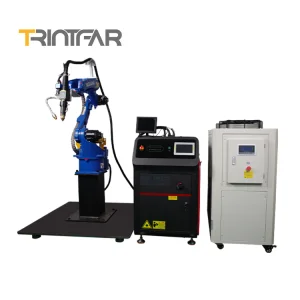
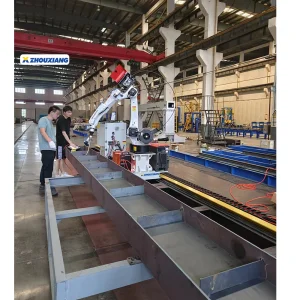
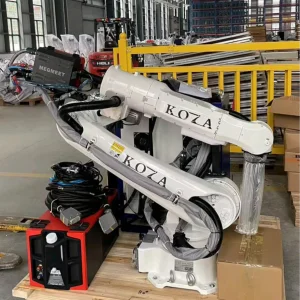
CNC industrial robots offer advantages such as high precision, high stability, and high sustainability. They adapt to flexible production switching, cover multiple industry scenarios, and seamlessly integrate with automated production lines.
✔
Long-term Production: Significant reduction in operational and production costs.
✔
Data Traceability: Full-process data tracking for enhanced quality control.
✔
Predictive Maintenance: Real-time monitoring to prevent equipment failure.
✔
Ease of Optimization: Simple integration and process adjustment capabilities.
By monitoring robot motor temperature, reducer vibration, joint wear, and other data, equipment failure risks can be predicted in advance (e.g., "reducer remaining life 30 days"), avoiding production interruptions caused by unplanned downtime.
Compared to traditional "failure repair," predictive maintenance can reduce equipment downtime by over 40%.
Frequently Asked Questions
What are the main advantages of CNC industrial robots?
CNC industrial robots provide high precision, stability, and sustainability, making them ideal for high-volume and high-accuracy production environments.
How do these robots support predictive maintenance?
They monitor critical data such as motor temperature, reducer vibration, and joint wear to predict failure risks before they cause downtime.
Can these robots be integrated into existing production lines?
Yes, they are designed to seamlessly integrate with automated production lines and support flexible production switching for various industry scenarios.
How much can predictive maintenance reduce downtime?
Implementing predictive maintenance can reduce equipment downtime by more than 40% compared to traditional reactive repair methods.
What management value do CNC robots offer?
They offer long-term cost reduction, full-process data traceability, and ease of system optimization for overall better management efficiency.
Are the robots suitable for flexible manufacturing?
Absolutely. Their design allows for quick adaptation and switching between different production tasks and industry applications.
 Sandai Robot