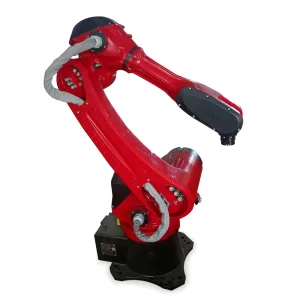
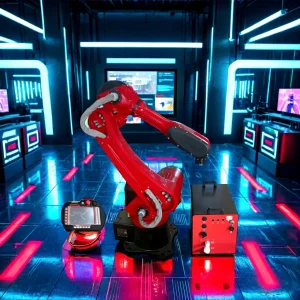
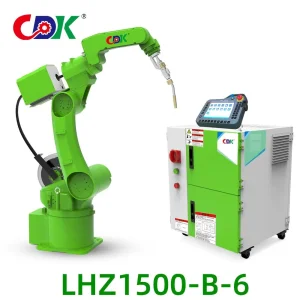
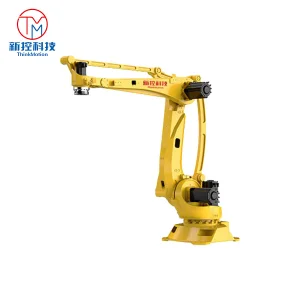
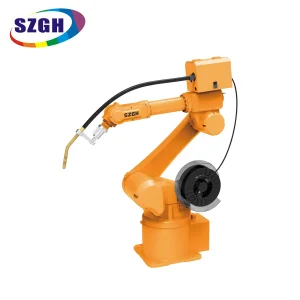
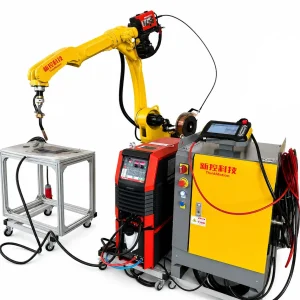
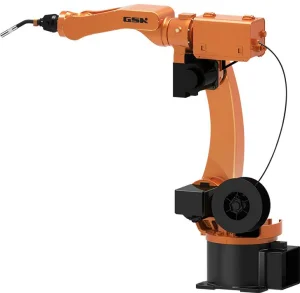
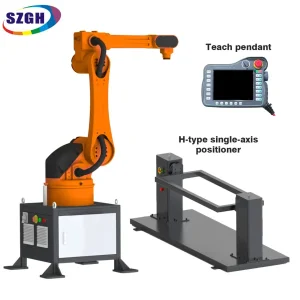
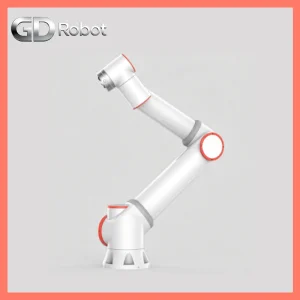
Explore our top-tier catalog of continuous path CNC manipulators, 6-axis articulated weld positioners, and heavy-payload collaborative robot kits engineered for industrial fabrication.
A Global Pioneer in Intelligent Industrial Automation & Collaborative Robotics since 2012.
Headquartered in Shenzhen, China's Silicon Valley, Shenzhen Sandai Robot Co., Ltd. is a high-tech enterprise focusing on research, development, and manufacturing of state-of-the-art welding cobots, six-axis industrial arm platforms, and autonomous production workstation systems. By integrating AI visual seam tracking, high-torque servo drives, and self-developed motion control algorithms, we have helped manufacturers across 50+ countries transition from high-risk manual welding to safe, cost-efficient collaborative automation.
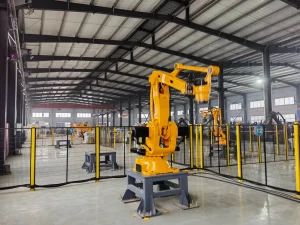
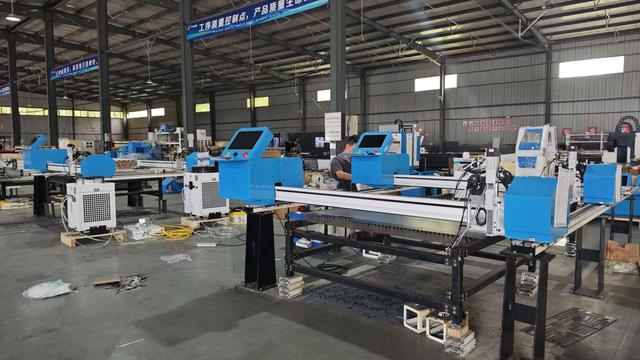
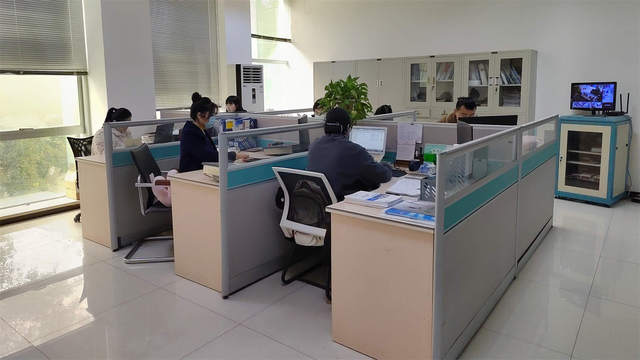
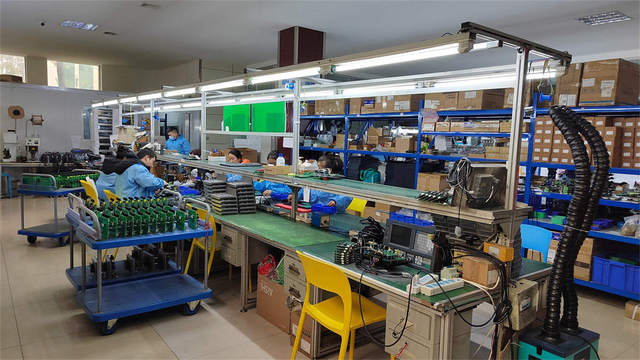
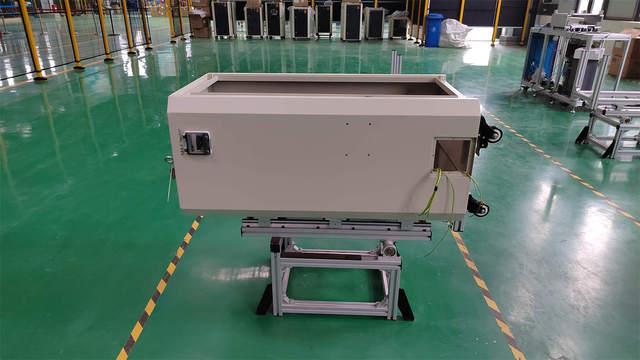
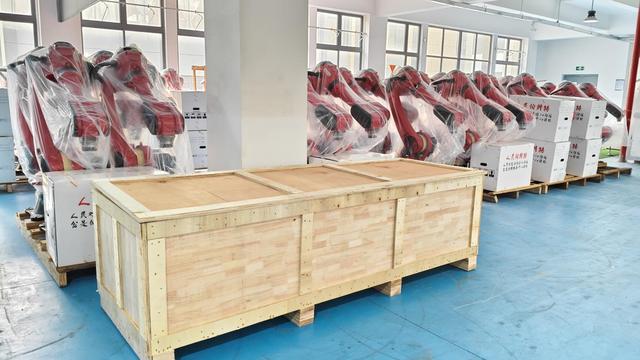
Spanning a production space of over 32,000 square meters, our facilities are equipped with 20 automated assembly and validation testing lines. Supported by an elite team of 380+ technical engineers, software programmers, and material fabrication specialists, we boast an annual capacity of over 8,000 robotic welding units. From high-mix, low-volume job shops to massive automotive assembly factories, Sandai Robot offers unparalleled robustness, sub-millimeter precision, and swift integration.
Addressing the macro-economic shifts, skilled labor deficits, and safety compliance requirements driving the massive adoption of collaborative welding technology worldwide.
Modern global manufacturing is facing an existential challenge: a severe structural shortage of certified welders. According to estimates by the American Welding Society (AWS), the industry will face a shortage of over 360,000 welding professionals by 2026. This dynamic, combined with rising labor costs and stricter OSH regulations, is prompting companies to evaluate automated solutions.
Traditional industrial welding robots require massive safety fencing, intensive programming, and high upfront investment, making them unsuitable for small-to-medium enterprises (SMEs) or high-mix, low-volume (HMLV) environments. Collaborative Robots (Cobots) bridge this gap. Equipped with integrated force-torque sensors, drag-to-learn lead-through programming, and simplified operator interfaces, cobots allow human operators to work side-by-side without barriers, transforming the economics of automated metal fabrication.
From automotive Tier-1 supplier components to custom pressure vessels, see how Sandai's cobots excel in actual field deployments.
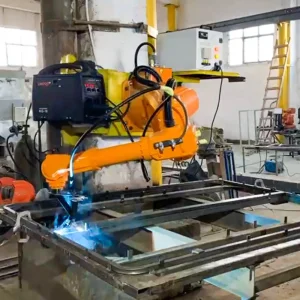
High-speed MIG/MAG welding of thin-walled structural frames and exhaust manifolds. The continuous path control ensures leak-free joints, minimizes spatter, and handles aluminum alloys with superior cooling control.
Using heavy-payload cobots like the GD30 to maneuver heavy TIG and laser torches. With multipass weld capability and tracking features, the cobot handles structural steel sections with consistent root penetration.
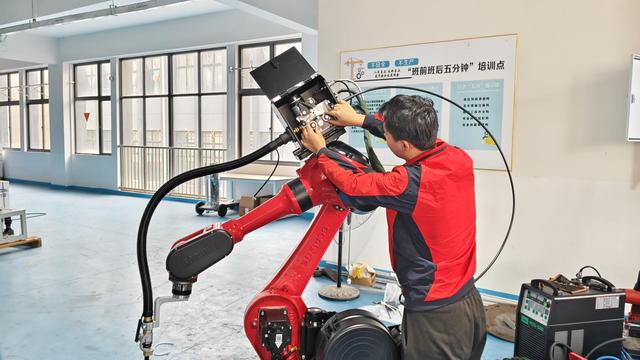
Intuitive hand-guided programming enables operators to swap parts and re-program paths within minutes. Perfect for custom furniture, sheet metal boxes, and brackets where structural consistency is key.
Our engineering division's blueprint for the future of robotic joint manipulation and cognitive intelligence integration.
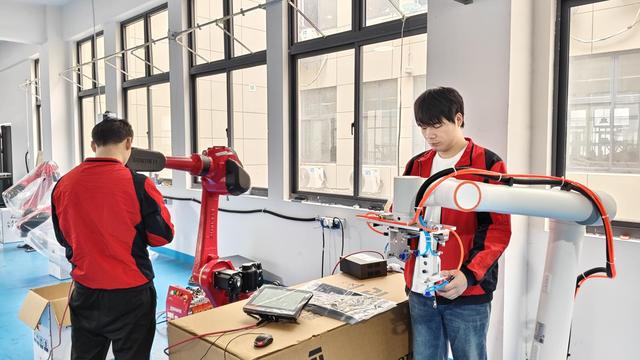
Sandai Robot's current generation utilizes high-resolution 3D laser profiling cameras mounted to the cobot's wrist. The system actively scans the joint topology millimeters ahead of the weld puddle, adjusting torch position, travel speed, and feed rate dynamically to compensate for workpiece warping or uneven gap fit-up.
Moving forward, our R&D roadmap focuses on three pillars:
How Sandai Robot leverages vertical integration and local component clusters to guarantee fast delivery and cost benefits.
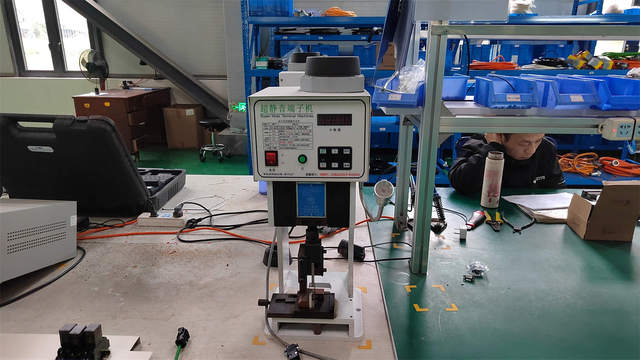
From harmonic reducers and high-torque frameless direct-drive motors to state-of-the-art DSP-based servo amplifiers, we design and build core motion parts internally. This maintains quality control and minimizes supply disruptions.
Being situated in Shenzhen gives Sandai immediate access to electronic component suppliers, sensor fabs, and specialized CNC machining facilities. Development-to-production cycles that take months elsewhere are done in weeks here.
With 20 modern automated lines, our facility easily scales output. We support specialized modifications, custom paint livery, custom software interfaces, and turn-key welder packages for international OEMs.
Sandai Robot designs systems with robust safety standards, ensuring smooth certification compliance when deployed in regulatory markets like North America and the European Union.
Our collaborative control algorithms feature dual-channel safety loops, torque-limiting collision safety detection, and quick emergency stops to allow barrier-free human-cobot co-working.
We supply systems compatible with regional industrial voltages (e.g., 3-phase 208V, 220V, 380V, 480V at 50Hz/60Hz) using matching transformers and EMI filtration systems.
Each unit features optional secure IoT gateways for remote debugging. Sandai engineers can assess parameters, diagnose code errors, and deploy path fixes directly from head office.
Get professional answers about deployment parameters, safety guidelines, and programming specifications for our robotic platforms.
High-payload configurations, long-reach arms, and specialized packages designed for heavy industrial environments.
 Sandai Robot