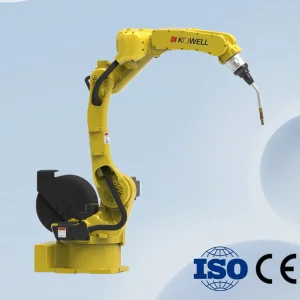
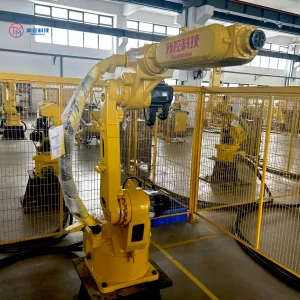
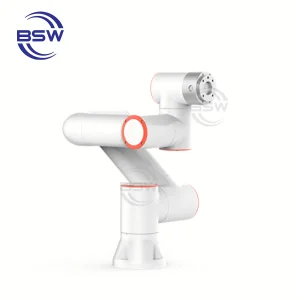
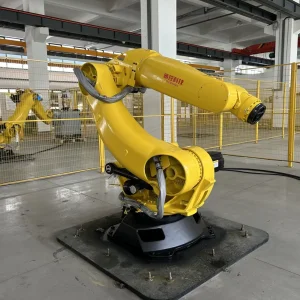
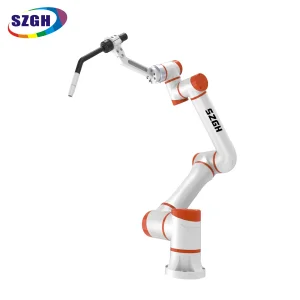
In the rapidly evolving landscape of Industrial Automation, the Spot Welding Arm has transitioned from a simple mechanical component to a sophisticated, data-driven instrument. As the global manufacturing sector shifts toward Industry 4.0, the demand for high-precision, OEM-customized spot welding solutions has surged. Resistance Spot Welding (RSW) remains the backbone of the automotive industry, accounting for nearly 90% of structural joins in modern vehicle frames.
The current global market is defined by a transition toward Electrification (EVs). Electric vehicle manufacturing requires specialized welding arms capable of handling high-strength aluminum alloys and complex battery tray assemblies. Suppliers and exporters are no longer just "part makers"; they are strategic partners providing end-to-end integration of servo-driven actuators, advanced sensors, and lightweight materials to enhance cycle times and energy efficiency.
The shift toward Chinese factories for OEM Spot Welding Arm procurement is driven by more than just cost. It is about the "Efficiency Ecosystem" found in regions like Shenzhen. As a leading manufacturer, Shenzhen Sandai Robot Co., Ltd. exemplifies the Chinese Factory Efficiency Advantage.
From precision casting to high-performance servo motor development, the entire supply chain is localized. This reduces lead times from months to weeks, allowing for rapid OEM prototyping.
Chinese manufacturers iterate product designs 3x faster than traditional Western counterparts, integrating the latest AI-visual feedback and sensor-fusion technology into spot welding arms.
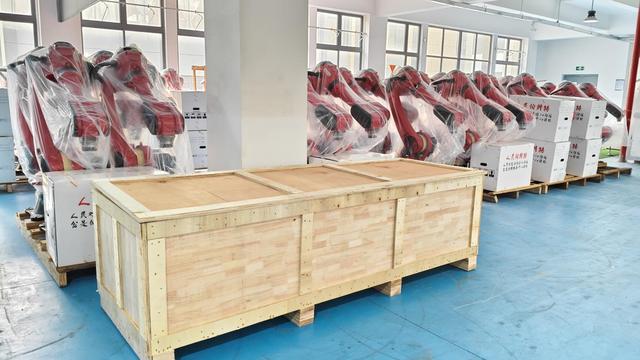
With an annual capacity exceeding 8,000 units, the cost-per-unit is optimized through high-volume production without sacrificing the precision required for aerospace or automotive standards.
A professional-grade spot welding arm must excel in three core areas: Force Consistency, Electrical Conductivity, and Thermal Management. At Shenzhen Sandai Robot, our engineering philosophy centers on these pillars to ensure "Information Gain" for our procurement partners.
Traditional pneumatic welding arms struggle with variable pressure. Modern servo-driven arms allow for "Soft Touch" technology, where the electrode closes on the metal with minimal impact, extending tip life by up to 40% and protecting the integrity of thin-gauge sheets used in modern EV bodies.
Global procurement directors from companies like Tesla, BMW, or Siemens look for four critical factors when selecting a Spot Welding Arm exporter:
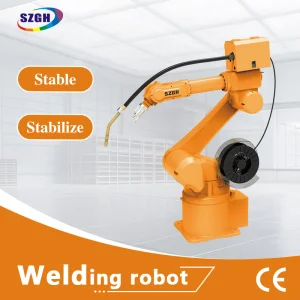
Shenzhen Sandai Robot Co., Ltd. is a professional industrial automation enterprise specializing in the development and manufacturing of welding robot arms, robotic welding systems, and intelligent welding automation solutions for global manufacturing industries. Established in 2012 and headquartered in Shenzhen, China, the company integrates advanced robotics technology, precision engineering, software development, and automated production capabilities to deliver reliable and efficient welding solutions worldwide.
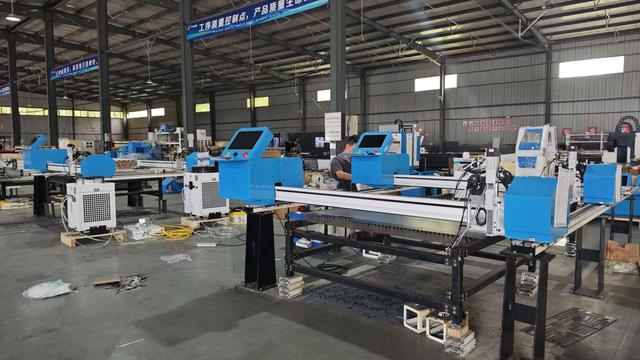
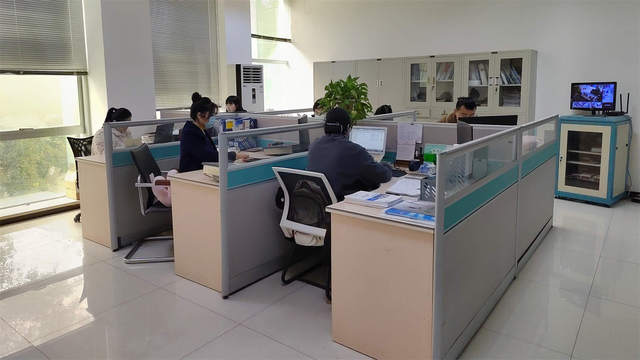
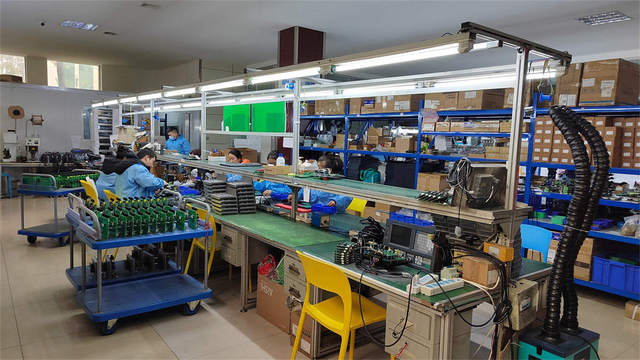
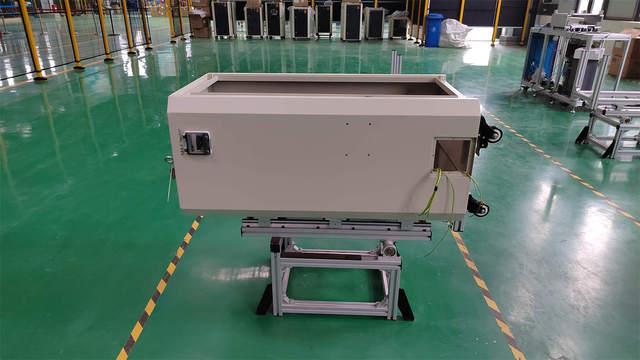
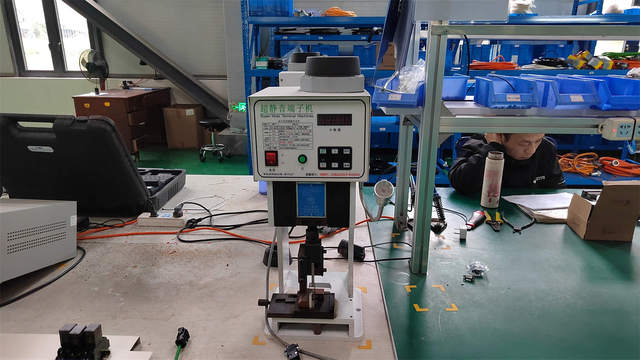
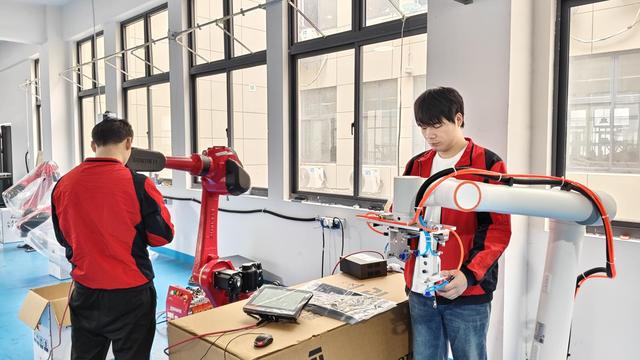
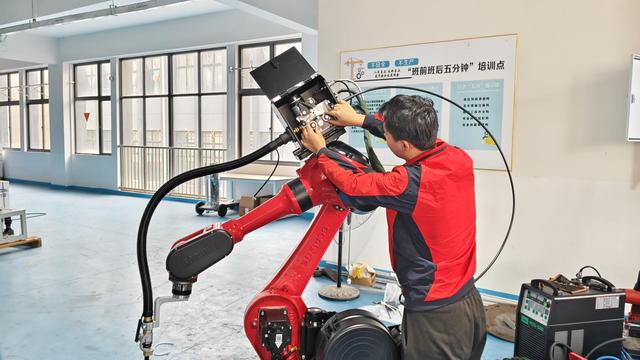
Sandai Robot operates a modern manufacturing facility covering more than 32,000 square meters and employs over 380 experienced engineers, technicians, and production specialists. With 20 automated assembly and testing lines, the company maintains strict quality control procedures throughout design, production, calibration, and final inspection processes. Its annual production capacity exceeds 8,000 industrial robotic welding units, serving customers across automotive manufacturing, metal fabrication, shipbuilding, construction machinery, aerospace components, and heavy industrial equipment sectors.
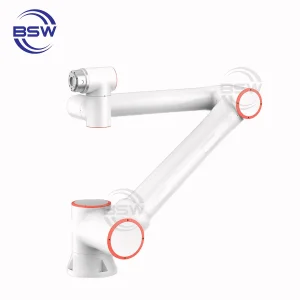
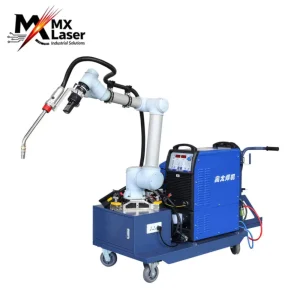
Looking ahead, the industry is moving toward AI-Path Optimization. Future spot welding arms will be equipped with real-time visual inspection systems that "see" the weld nugget quality and adjust parameters (current, time, pressure) mid-cycle to compensate for material variations. Furthermore, Cobot (Collaborative Robot) Welding Arms are becoming more prevalent in Tier 2 and Tier 3 supplier shops where human-robot collaboration is required for low-volume, high-mix production tasks.
 Sandai Robot