Strategic Insights into Industry 4.0 and Autonomous Metal Joining
The global industrial landscape is undergoing a seismic shift toward autonomous manufacturing. MIG (Metal Inert Gas) welding arms have moved from being luxury assets for automotive giants to essential infrastructure for small-to-medium enterprises (SMEs) worldwide. In 2024, the demand for precision, repeatability, and speed in metal fabrication has driven the adoption of multi-axis robotic systems at an unprecedented rate.
China has established itself as the world's "Robot Cluster," particularly in regions like Shenzhen and Guangdong. The efficiency of China MIG welding arm factories is not merely about lower costs; it is about Supply Chain Resilience. By having the entire ecosystem—from servo motor manufacturers and planetary reducer suppliers to AI software developers—within a 50-mile radius, factories like Shenzhen Sandai Robot can innovate and iterate 3x faster than Western counterparts.
From 6-Axis Standardized Arms to AI-Driven Collaborative Ecosystems
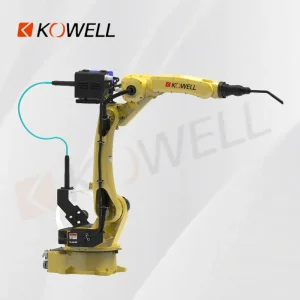
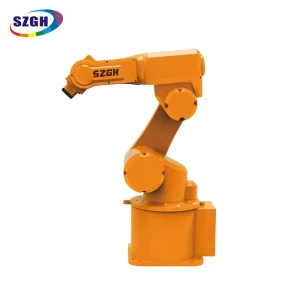
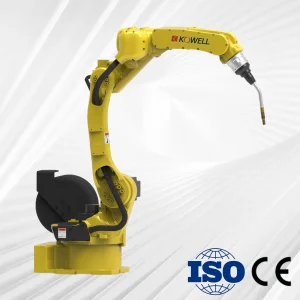
Focus on reducing cycle times through optimized path planning and high-torque servo integration. Current standard for MIG/TIG applications.
Integration of 3D vision systems for real-time weld tracking, seam finding, and error correction without manual fixture adjustment.
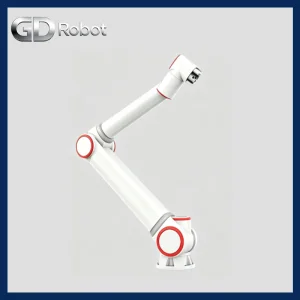
Developing "Cobots" that can safely work alongside human operators, featuring force-torque sensors and intuitive lead-through programming.
Looking toward 2025 and beyond, the industry is moving toward "Digital Twin" integration. This allows factory managers to simulate entire welding lines in a virtual environment before a single bolt is turned on the factory floor. This reduces commissioning time by up to 40% and ensures that the MIG welding arm is optimized for the specific geometry of the workpiece.
Real-World Deployment of Robotic Systems Across Diversified Industries
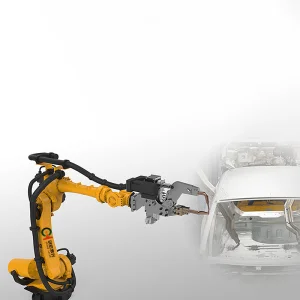
In the New Energy Vehicle (NEV) sector, MIG welding arms are used for aluminum battery enclosures. These require high-thermal conductivity management and precise "Deep Fusion" techniques to ensure structural integrity and leak-proof seals.
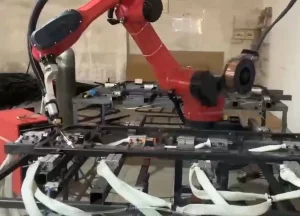
Welding thick plates for excavators and cranes requires multi-layer, multi-pass welding capabilities. Modern Chinese robot arms feature "Arc Tracking" technology that compensates for thermal distortion in real-time.
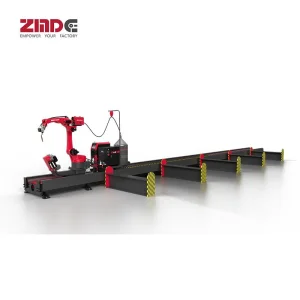
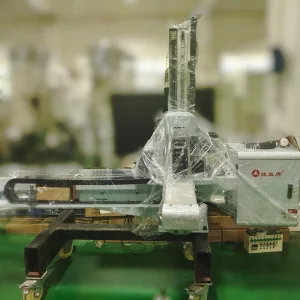
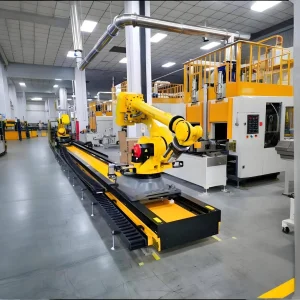
For large-scale steel structures, 7th-axis linear rails (Floor Tracks) are integrated to extend the reach of the 6-axis arm. This allows for continuous welding on components exceeding 10 meters in length, maintaining consistency that manual welders cannot achieve over long shifts.
A Global Leader in Intelligent Welding Automation
Shenzhen Sandai Robot Co., Ltd. is a professional industrial automation enterprise specializing in the development and manufacturing of welding robot arms, robotic welding systems, and intelligent welding automation solutions for global manufacturing industries. Established in 2012 and headquartered in Shenzhen, China, the company integrates advanced robotics technology, precision engineering, software development, and automated production capabilities to deliver reliable and efficient welding solutions worldwide.
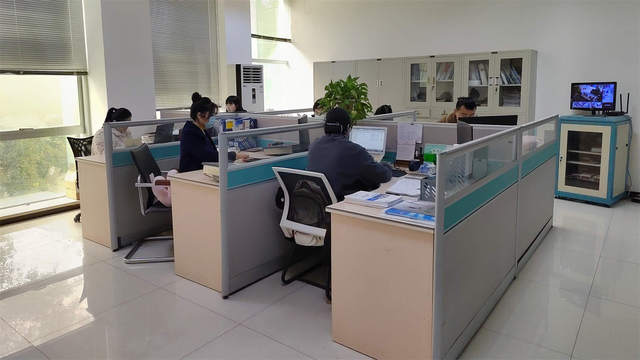
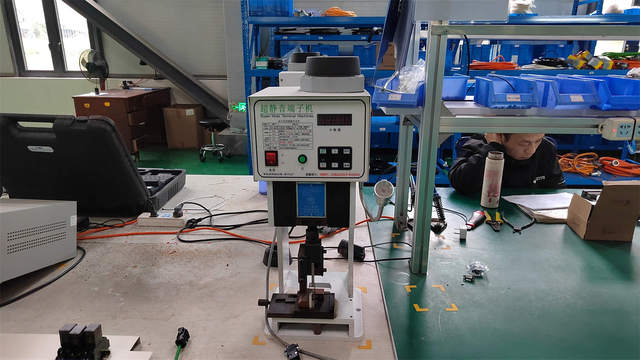
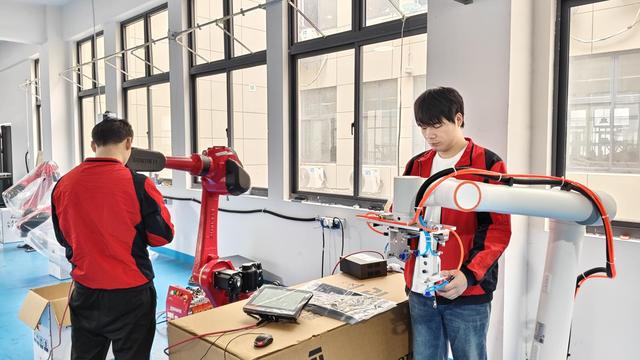
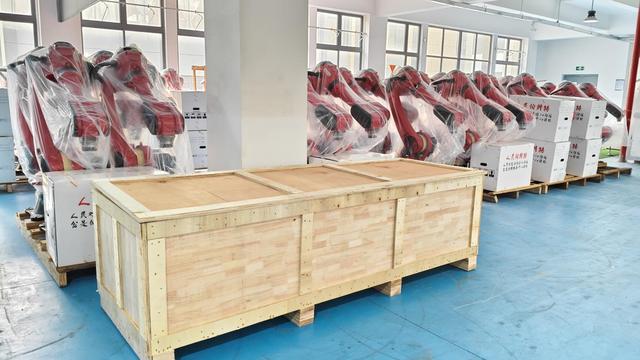
Sandai Robot operates a modern manufacturing facility covering more than 32,000 square meters and employs over 380 experienced engineers, technicians, and production specialists. With 20 automated assembly and testing lines, the company maintains strict quality control procedures throughout design, production, calibration, and final inspection processes. Its annual production capacity exceeds 8,000 industrial robotic welding units, serving customers across automotive manufacturing, metal fabrication, shipbuilding, construction machinery, aerospace components, and heavy industrial equipment sectors.
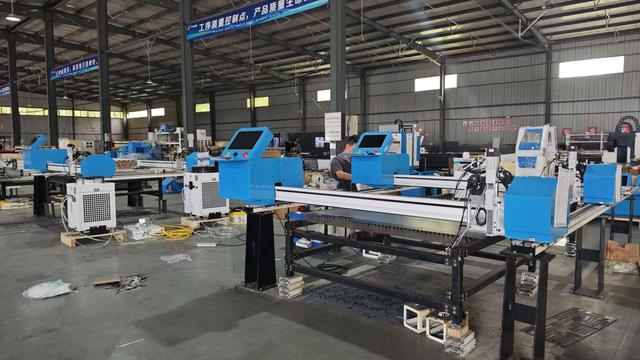
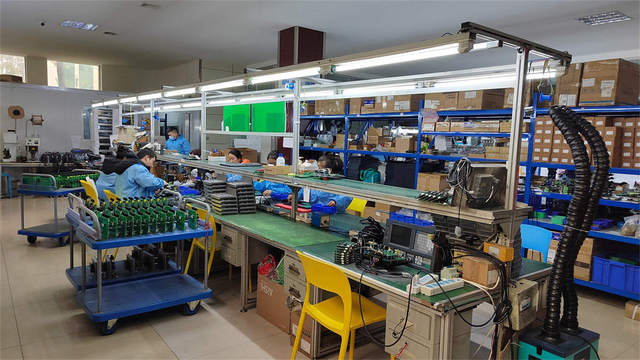
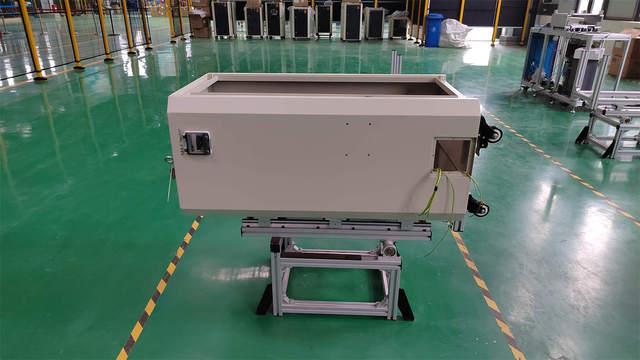
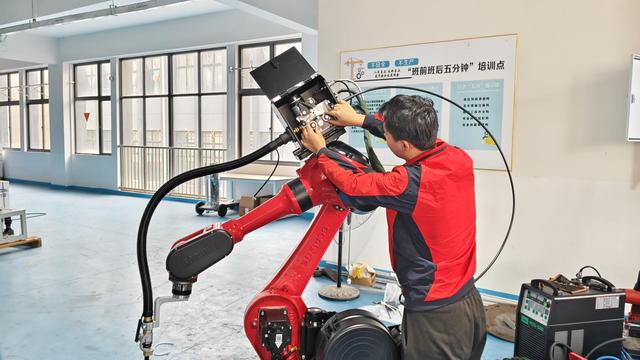
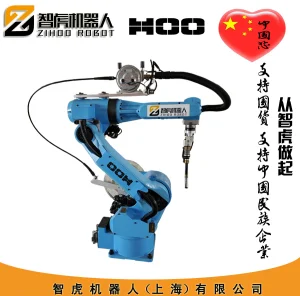
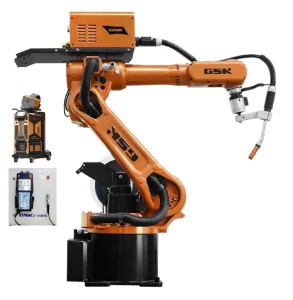
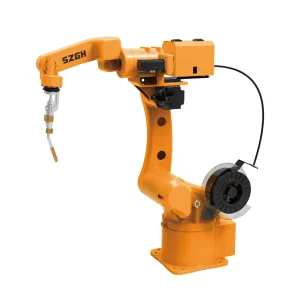
The company’s core product portfolio includes six-axis welding robot arms, collaborative welding robots, laser welding systems, MIG/TIG robotic welding stations, automated welding manipulators, and customized robotic integration solutions. By combining AI visual positioning, servo motion control technology, intelligent path programming, and real-time monitoring systems, Sandai Robot provides high-precision and stable welding performance for complex industrial applications.
Ensuring Seamless Integration and Long-Term Reliability
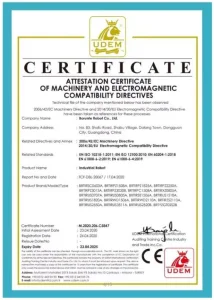
All robotic systems undergo rigorous testing to meet European CE standards and ISO 9001 quality management benchmarks, ensuring safety and legal compliance in all major markets.
Utilizing IoT-enabled controllers, our engineers in Shenzhen can provide real-time remote troubleshooting and software updates to minimize downtime for international clients.
Strategically located warehouses and partnerships with DHL/FedEx ensure that critical spare parts (servo drives, reducers, welding torches) reach you within 3-5 business days.
Addressing Common Queries for Procurement Managers
Most industrial clients see a full Return on Investment (ROI) within 12-18 months. This is calculated based on increased production speed (up to 3x), reduced scrap rates, and the ability to operate 24/7 without the overhead of high-skilled manual labor.
Yes, our 6-axis arms are designed with universal communication protocols (EtherCAT, DeviceNet, Profibus) to interface with major welding power brands like Miller, Lincoln Electric, Fronius, and OTC.
Absolutely. Shenzhen Sandai Robot provides flexible OEM/ODM cooperation, including custom arm lengths, payload capacities (from 3kg to 210kg), and specialized software branding for our global partners.
The AI vision system uses laser profiling to detect the seam's exact position. If the workpiece is slightly misaligned or has thermal deformation, the robot adjusts its path in microseconds, ensuring a perfect weld every time.
 Sandai Robot