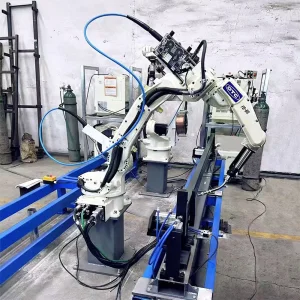
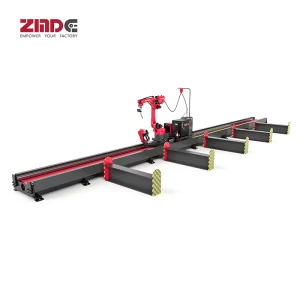
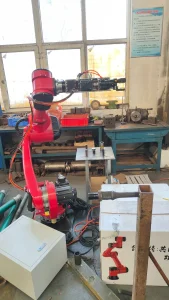
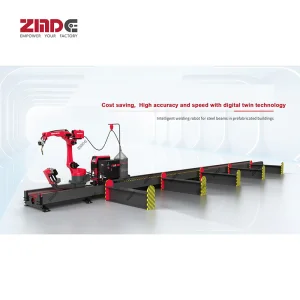
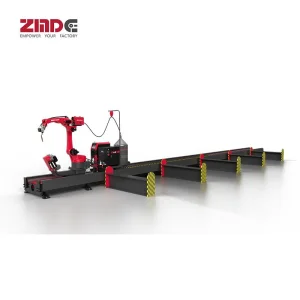
In the current landscape of global heavy industry, the transition from traditional robotics to Adaptive Welding Systems marks a paradigm shift in how we approach metal fabrication. Historically, robotic welding was confined to highly repetitive, static environments where every workpiece was required to be identical. However, the rise of "High-Mix, Low-Volume" production demands a system that can see, sense, and adjust.
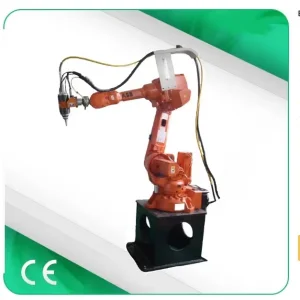
Adaptive welding utilizes real-time feedback loops—incorporating laser seam tracking, through-arc sensing, and AI-powered visual recognition—to compensate for thermal distortion, material tolerances, and imperfect fit-ups. This is no longer just about automation; it is about "Intelligence Gain" within the factory floor, ensuring that every weld bead is structurally sound regardless of environmental variables.
Global enterprises are moving toward localized production. Our adaptive systems allow for rapid deployment in diverse regions, ensuring consistent weld quality without needing a highly specialized workforce on-site.
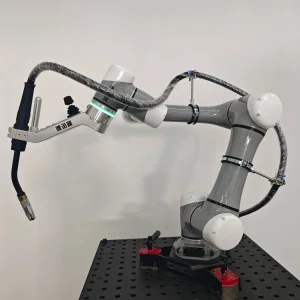
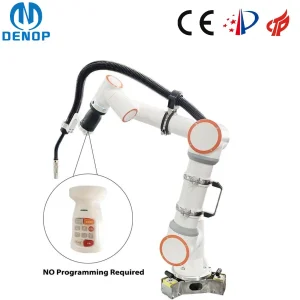
Human-Robot Collaboration (Cobots) is no longer a niche. We focus on "Zero-Programming" interfaces that allow skilled welders to guide robotic arms, merging human intuition with robotic precision.
Modern welding systems are data hubs. Our robots track every voltage fluctuation and travel speed, providing a "Digital Birth Certificate" for every component manufactured.
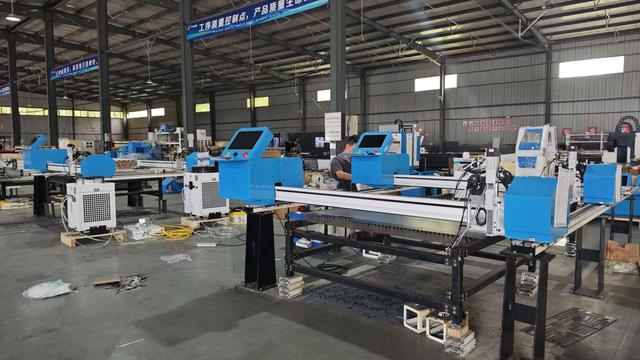
As a leading Chinese manufacturer, Shenzhen Sandai Robot Co., Ltd. embodies the "Factory 4.0" ethos. Our Shenzhen headquarters integrates the world’s most comprehensive supply chain for motion control components, sensors, and structural steel. This geographical advantage allows us to offer superior "Efficiency Advantage" compared to Western counterparts.
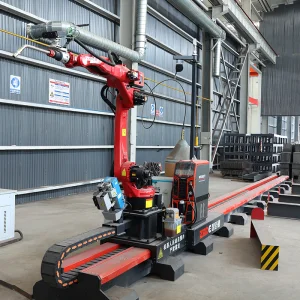
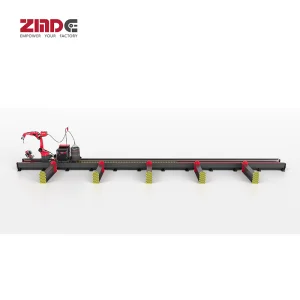
Handling large-scale plate welding with adaptive seam tracking to manage heat distortion over long weld paths.
High-speed MIG/MAG spot welding and laser brazing for chassis and body-in-white (BIW) production lines.
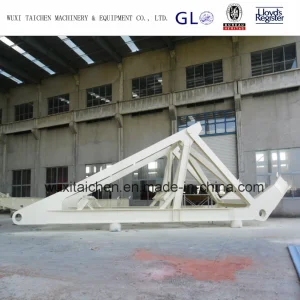
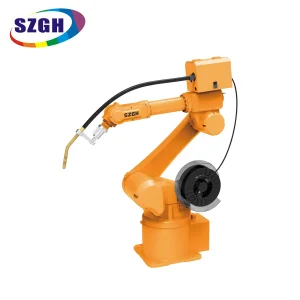
Heavy-duty robotic arms capable of handling 35kg+ loads for excavators, cranes, and structural steel beams.
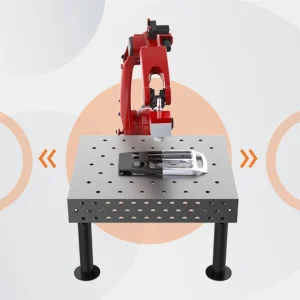
Precision TIG/Plasma welding for thin-walled exotic alloys where thermal control is mission-critical.
Automated welding of large-diameter towers and turbine components with 24/7 reliability.
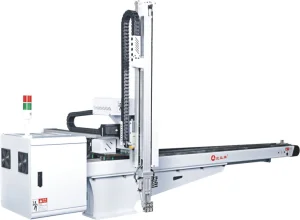
Custom pallet stacking robots integrated with welding lines for a truly end-to-end automated warehouse.
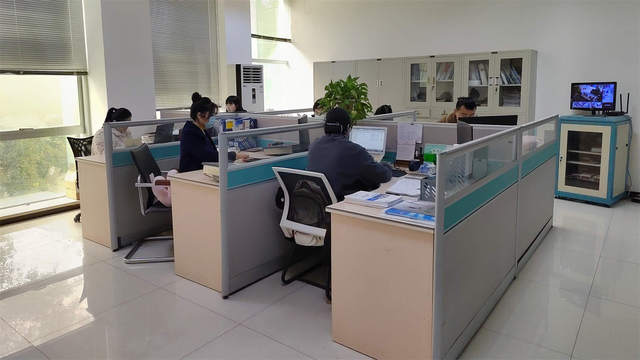
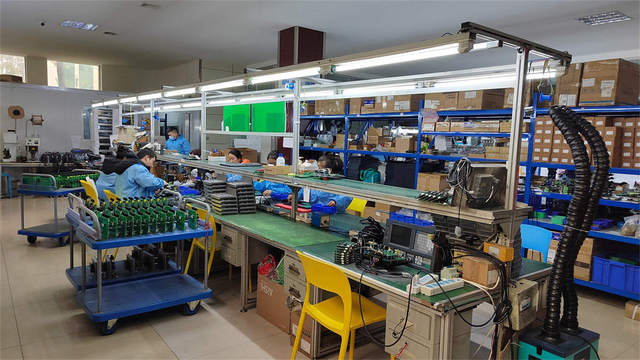
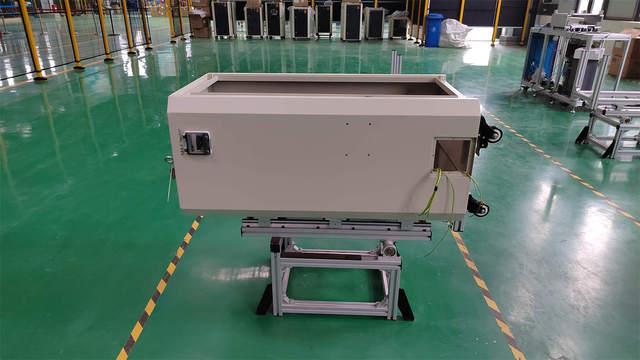
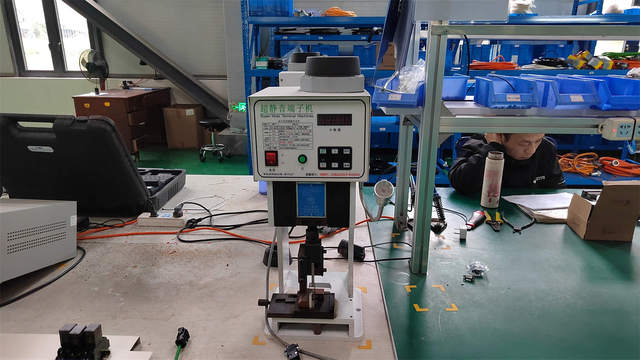
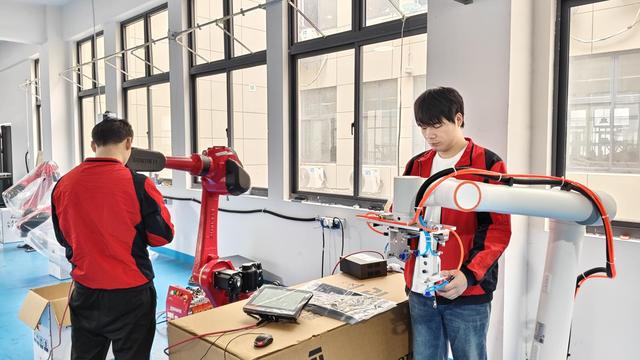
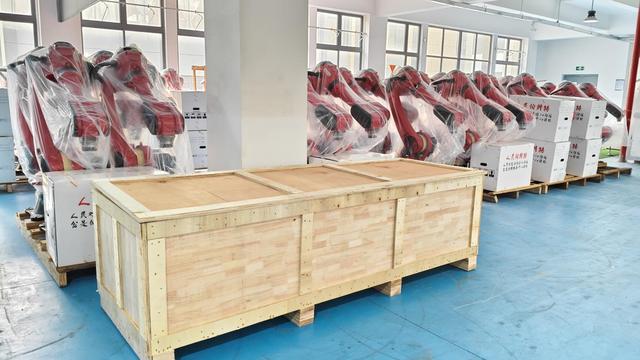
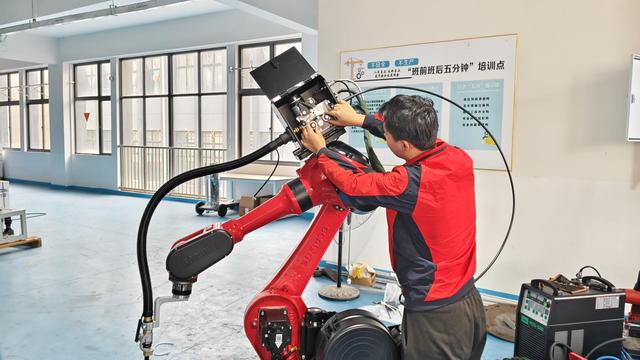
Established in 2012, Shenzhen Sandai Robot Co., Ltd. has grown from a specialized lab into a 32,000 sqm powerhouse of industrial automation. Our commitment to E-E-A-T principles ensures that every robot leaving our facility is a testament to our engineering expertise.
 Sandai Robot