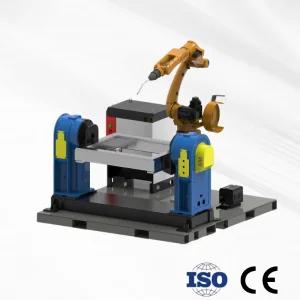
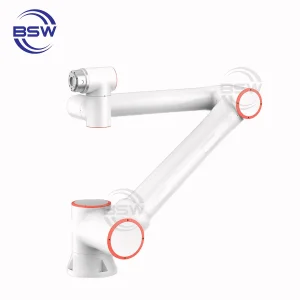
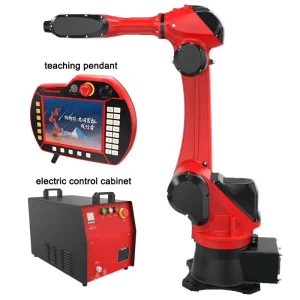
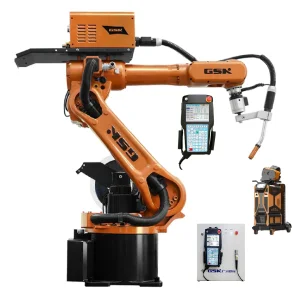
High-performance welding solutions tailored for the high-standard requirements of Melbourne, Sydney, and Brisbane manufacturing hubs.
The Australian automotive landscape has undergone a radical transformation. Following the cessation of domestic mass-market passenger vehicle assembly, the industry has pivoted toward highly specialized niche manufacturing, EV bus assembly, military vehicle production, and high-performance aftermarket components. In this high-labor-cost environment, the demand for "Automotive Welding Robot Arm" solutions has surged, as local factories seek to maintain global competitiveness through "Information Gain" and extreme precision.
Shenzhen Sandai Robot Co., Ltd. recognizes that the Australian market requires more than just hardware; it requires a Macro-Industry Solution. From the harsh environments of Queensland's heavy-duty trailer manufacturers to the precision-focused cleanrooms of medical and electronic automotive sensors in Victoria, our robotic arms are engineered to deliver consistency that manual welding simply cannot match.
Globally, the automotive sector remains the largest user of industrial robots, accounting for nearly 33% of all installations. Australia, though smaller in scale, is a leader in adopting Collaborative Robots (Cobots) and flexible automation to handle short-run, high-complexity tasks. Sandai Robot’s presence in Shenzhen, the heart of global tech manufacturing, allows us to funnel the latest AI-driven visual positioning and 6-axis motion control technology directly into the Australian market.
Safety is non-negotiable under Australian Standard AS/NZS 4024.1 (Safety of Machinery). Our factory-direct supplies for Australia come equipped with advanced safety integration capabilities, including dual-channel emergency stop circuits, safety light curtain compatibility, and force-sensing tech in our Cobot range. We ensure that our Australian partners receive the RCM (Regulatory Compliance Mark) certified components necessary for smooth local insurance and safety audits.
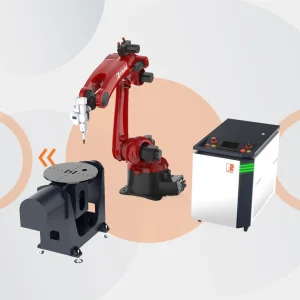
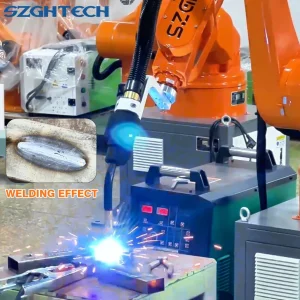
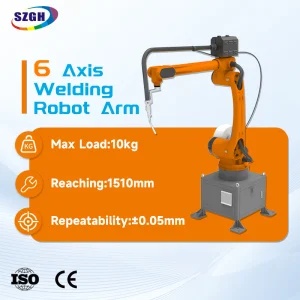
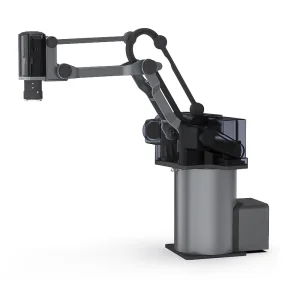
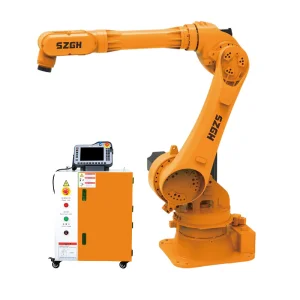
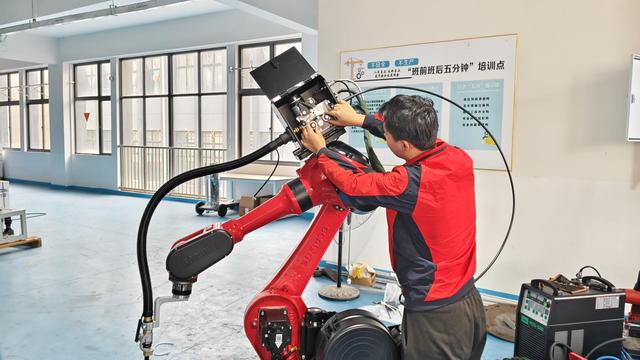
Australia’s transport industry relies on robust chassis. Our 1.85m span 6-axis arms are perfect for MIG welding thick steel frames with deep penetration and zero defects, essential for the Outback's demanding conditions.
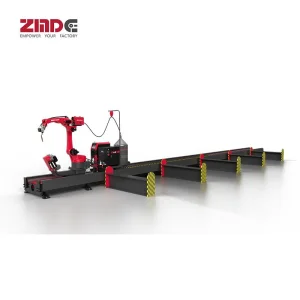
With Sydney and Melbourne transitioning to electric fleets, our laser welding robots provide the precision required for aluminum battery trays and lightweight bus frames, where heat distortion must be minimized.
Supplying the Australian Defence Force requires extreme traceability. Our systems offer real-time data logging of every weld bead, ensuring Tier-1 compliance with defense contract standards.
Shenzhen Sandai Robot Co., Ltd. is a professional industrial automation enterprise specializing in the development and manufacturing of welding robot arms, robotic welding systems, and intelligent welding automation solutions for global manufacturing industries. Established in 2012 and headquartered in Shenzhen, China, the company integrates advanced robotics technology, precision engineering, software development, and automated production capabilities to deliver reliable and efficient welding solutions worldwide.
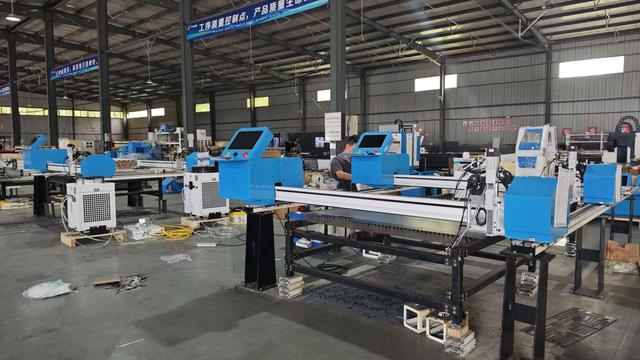
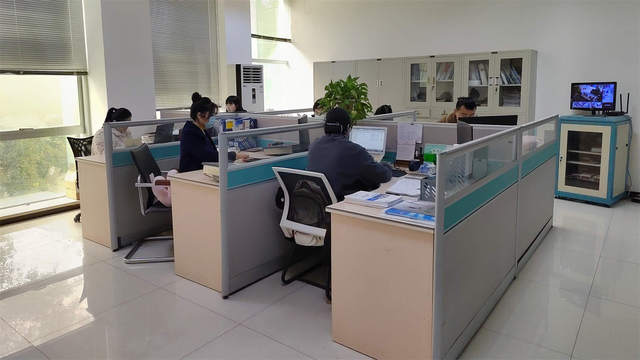
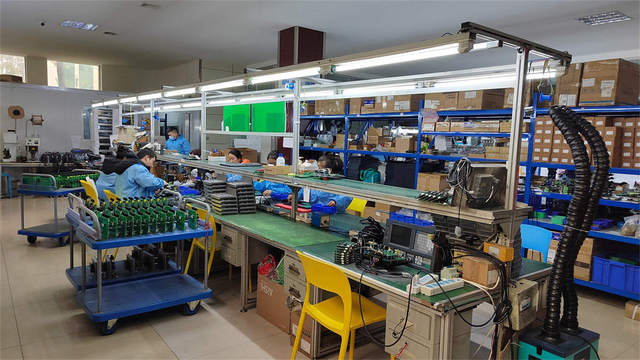
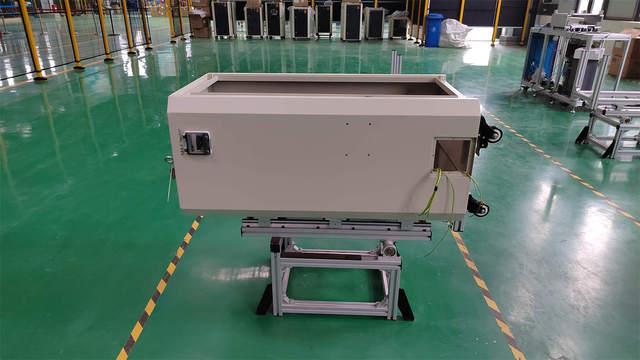
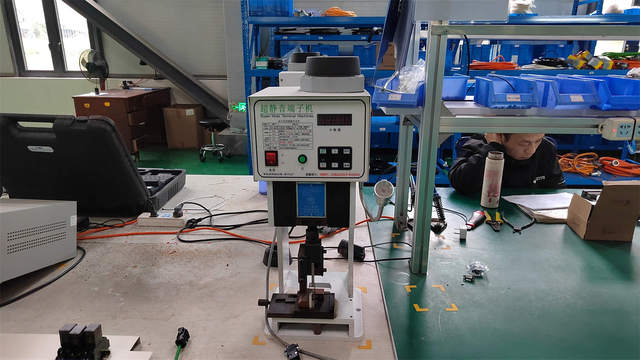
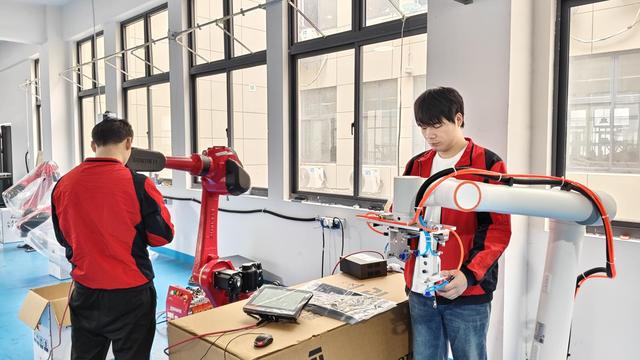
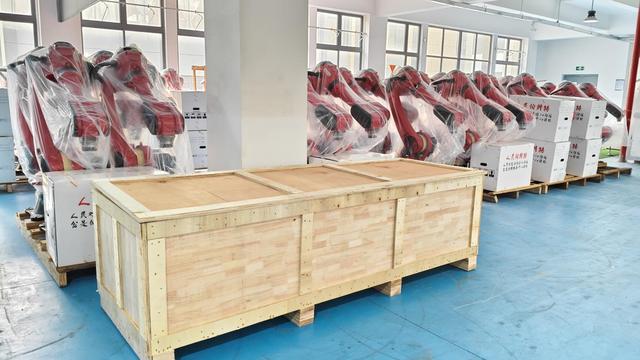
Sandai Robot operates a modern manufacturing facility covering more than 32,000 square meters and employs over 380 experienced engineers, technicians, and production specialists. With 20 automated assembly and testing lines, the company maintains strict quality control procedures throughout design, production, calibration, and final inspection processes. Its annual production capacity exceeds 8,000 industrial robotic welding units.
As we look toward 2025-2030, Sandai Robot is integrating AI-driven adaptive welding. This technology allows the robot arm to "see" variations in joint gaps using 3D laser scanners and adjust weld parameters in real-time. For Australian factories, this means reduced jigging costs and the ability to handle parts with wider tolerances.
Our commitment to the "Information Gain" principle means we provide our Australian clients with comprehensive "Digital Twins" of their welding cells, allowing for offline programming (OLP) that reduces downtime to near zero when switching between different automotive part runs.
We work with local Australian engineering integrators who provide on-site installation, training, and 24/7 technical support. Spare parts are stocked in regional hubs to ensure minimal downtime.
Yes. Our controllers support major international protocols (EtherNet/IP, DeviceNet, Profibus) and can be interfaced with Fronius, Miller, Lincoln Electric, and Kemppi power sources commonly used in Australia.
While we are the manufacturer, we can provide the necessary documentation to support applications for Australian government manufacturing grants and asset finance through your local lenders.
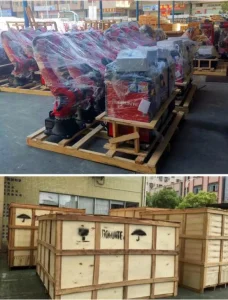
Standard units are typically ready for shipment within 3-4 weeks. Transit via sea freight usually takes 18-25 days to major Australian ports.
Ready to modernize your Australian workshop? Let our experts guide your automation journey.
Send Inquiry Now for Technical Specifications Sandai Robot