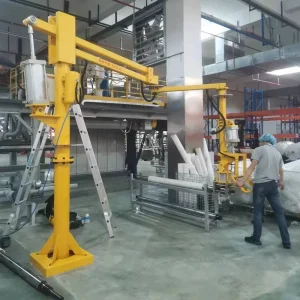
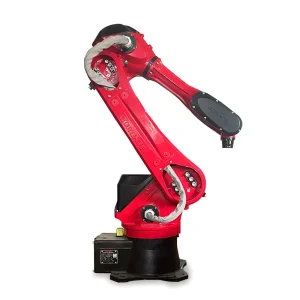
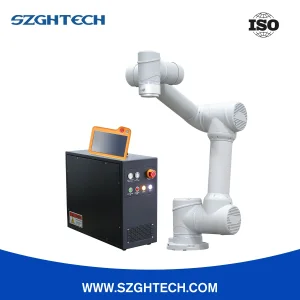
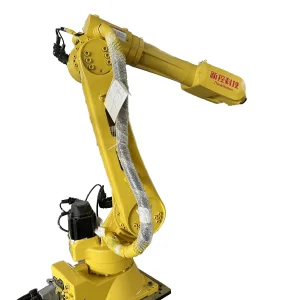
High-precision, CE-compliant robotic systems for diverse industrial applications.
In the rapidly evolving landscape of Industrial 4.0, the demand for precision aluminum welding has reached unprecedented levels. As a specialized material known for its high thermal conductivity and low melting point, aluminum requires sophisticated control mechanisms that only high-end robotic arms can provide. Our commitment as a premier supplier is to deliver CE Certified Aluminum Welding Arms that bridge the gap between complex metallurgical requirements and automated efficiency.
For global exporters and manufacturers in the EU and North America, CE Certification is not just a label; it is a guarantee of safety, reliability, and electromagnetic compatibility. Our aluminum welding arms undergo rigorous testing to ensure they meet the 2006/42/EC Machinery Directive and the 2014/30/EU EMC Directive. This ensures that the high-frequency pulses used in TIG/MIG aluminum welding do not interfere with other factory electronics, and that the emergency stop systems function with fail-safe reliability.
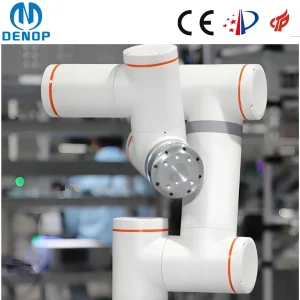
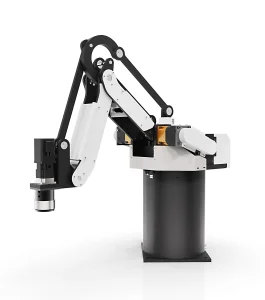
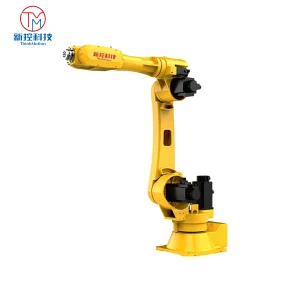
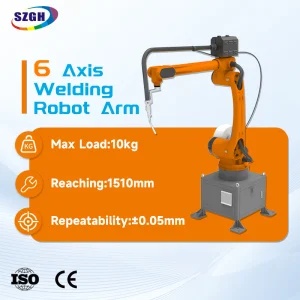
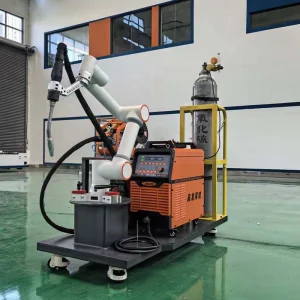
Welding aluminum is notoriously difficult due to its oxide layer and tendency for porosity. Our 6-axis robotic arms integrate AI Visual Tracking and Laser Seam Sensors to adjust welding parameters in real-time.
➤ Heat Input Control: Robotic precision minimizes the Heat Affected Zone (HAZ), preventing structural warping.
➤ Dynamic Path Correction: Compensates for thermal expansion during the welding process.
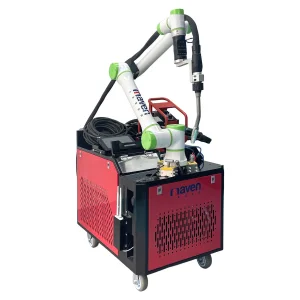
➤ Multi-Process Compatibility: Support for CMT (Cold Metal Transfer), MIG, and Laser welding heads.
Headquartered in Shenzhen, the global hub of hardware innovation, Shenzhen Sandai Robot Co., Ltd. leverages a "Complete Industrial Chain" advantage. This allows us to source high-grade servo motors, precision reducers (RV/Harmonic), and sensors at scale, passing the cost efficiency onto our global partners without compromising on quality.
Over 32,000 sqm facility with 20 automated assembly lines ensuring consistent build quality.
Strategic proximity to Shenzhen and Hong Kong ports for efficient global shipping and customs clearance.
Customized payloads (5kg to 30kg) and reach extensions tailored to specific factory floor layouts.
Understanding that an industrial robot is a long-term investment, we provide comprehensive Localization Support. This includes:
Where precision meets productivity across various industries.
Welding aluminum chassis components and battery trays for Electric Vehicles (EVs) requires zero-defect consistency which our 6-axis arms provide.
Precision welding of high-strength aluminum alloys for fuel tanks and structural frames, adhering to the strictest safety standards.
Automated welding of aluminum scaffolding and ship hulls, significantly reducing labor costs and improving weld penetration.
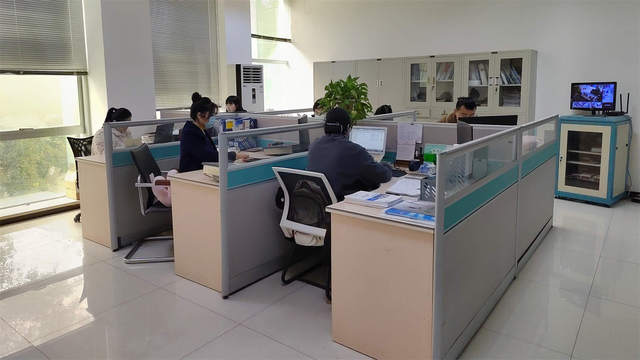
Shenzhen Sandai Robot Co., Ltd. is a professional industrial automation enterprise specializing in the development and manufacturing of welding robot arms, robotic welding systems, and intelligent welding automation solutions for global manufacturing industries. Established in 2012 and headquartered in Shenzhen, China, the company integrates advanced robotics technology, precision engineering, software development, and automated production capabilities to deliver reliable and efficient welding solutions worldwide.
Sandai Robot operates a modern manufacturing facility covering more than 32,000 square meters and employs over 380 experienced engineers, technicians, and production specialists. With 20 automated assembly and testing lines, the company maintains strict quality control procedures throughout design, production, calibration, and final inspection processes. Its annual production capacity exceeds 8,000 industrial robotic welding units, serving customers across automotive manufacturing, metal fabrication, shipbuilding, construction machinery, aerospace components, and heavy industrial equipment sectors.
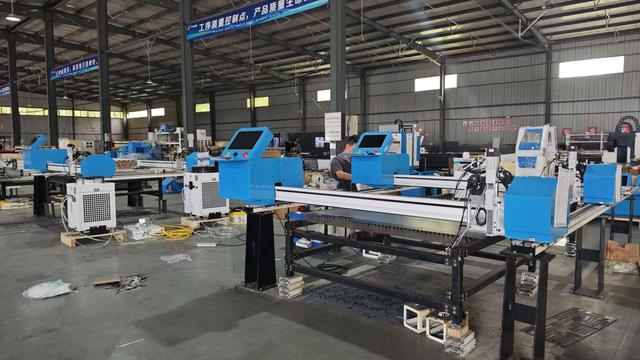
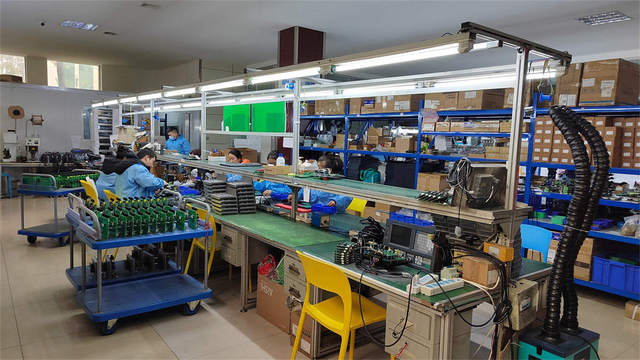
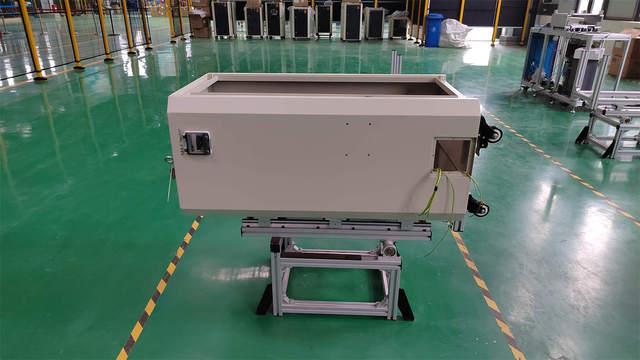
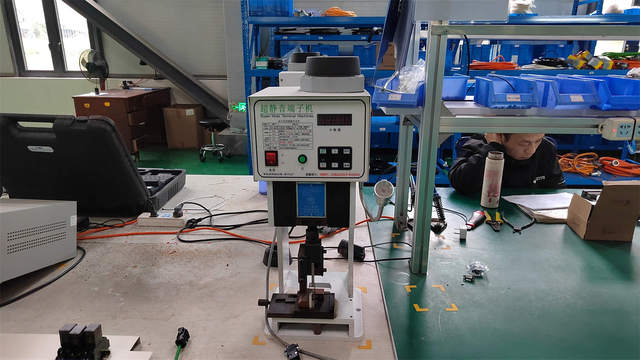
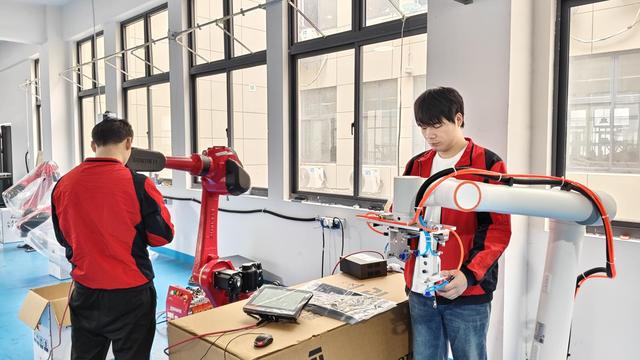
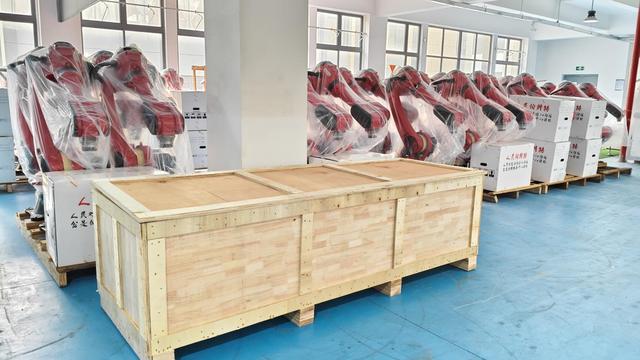
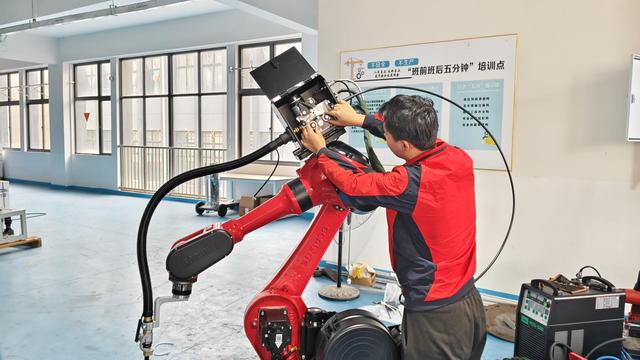
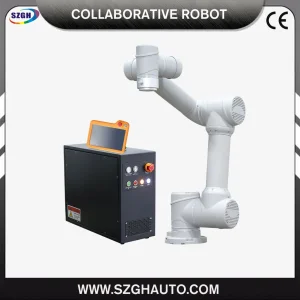
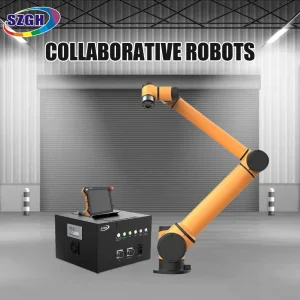
The company’s core product portfolio includes six-axis welding robot arms, collaborative welding robots, laser welding systems, MIG/TIG robotic welding stations, automated welding manipulators, and customized robotic integration solutions. By combining AI visual positioning, servo motion control technology, intelligent path programming, and real-time monitoring systems, Sandai Robot provides high-precision and stable welding performance for complex industrial applications.
Expert answers for procurement and technical teams.
 Sandai Robot