In the era of Industry 4.0, the demand for "Integrated Automation Systems" has shifted from simple repetitive task execution to complex, data-driven cognitive operations. As a leading manufacturer and supplier based in China's technology hub, Shenzhen, we recognize that true Information Gain in SEO and industrial utility comes from the synergy between hardware precision and software intelligence.
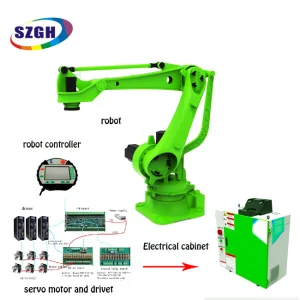
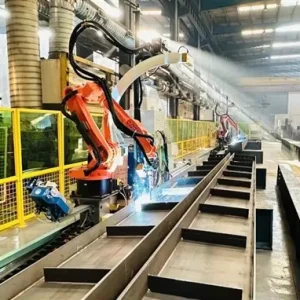
Integrated automation is no longer a luxury but a fundamental necessity for manufacturers aiming to mitigate rising labor costs, ensure sub-millimeter welding consistency, and maintain 24/7 operational throughput. Our systems integrate 6-axis kinematics, AI-enhanced computer vision, and real-time EtherCAT communication to provide a seamless bridge between digital design and physical production.
Repeatability up to ±0.02mm for high-stakes welding and assembly.
Real-time seam tracking and defect detection using neural networks.
Shenzhen Sandai Robot Co., Ltd. is a professional industrial automation enterprise specializing in the development and manufacturing of welding robot arms, robotic welding systems, and intelligent welding automation solutions for global manufacturing industries. Established in 2012 and headquartered in Shenzhen, China, the company integrates advanced robotics technology, precision engineering, software development, and automated production capabilities to deliver reliable and efficient welding solutions worldwide.
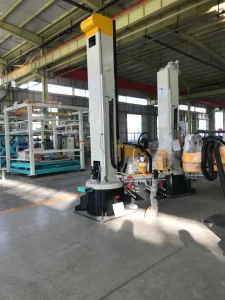
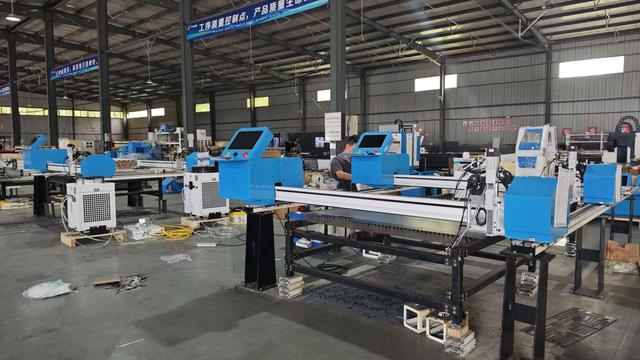
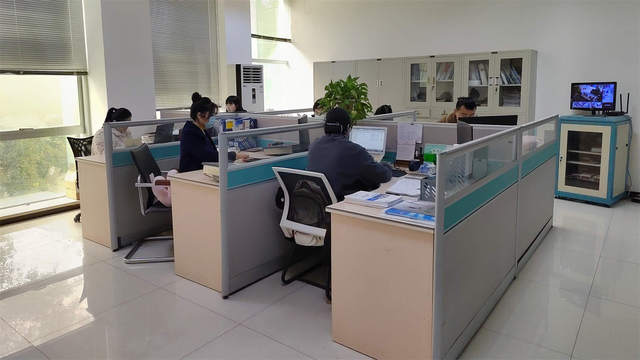
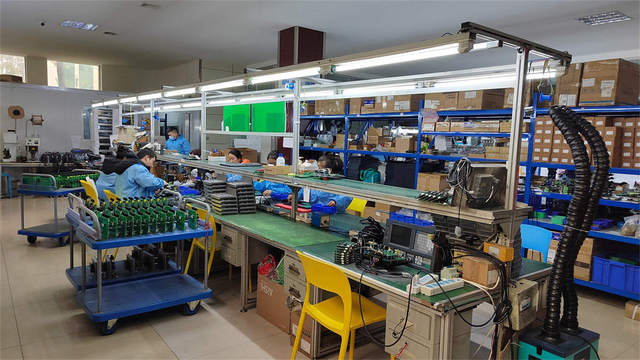
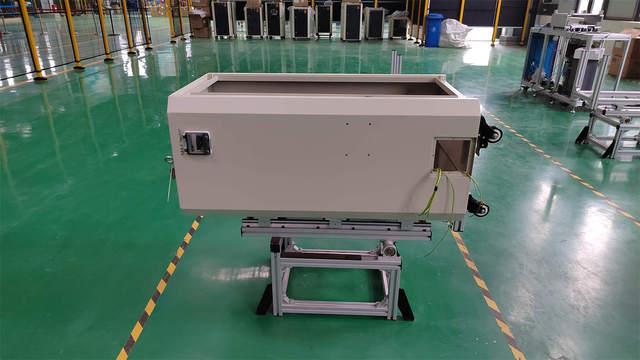
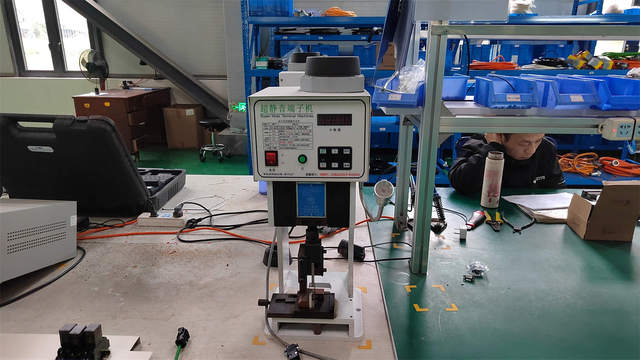
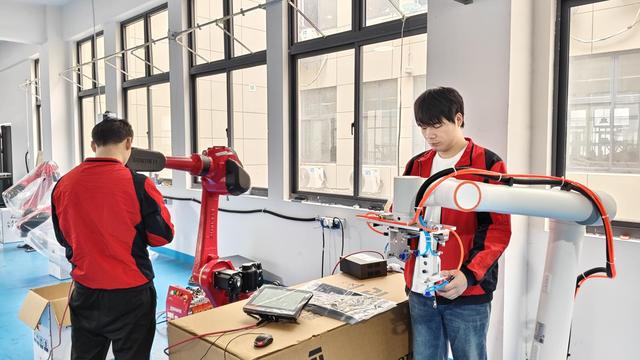
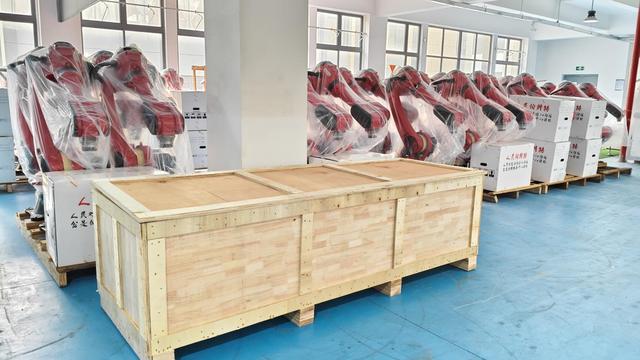
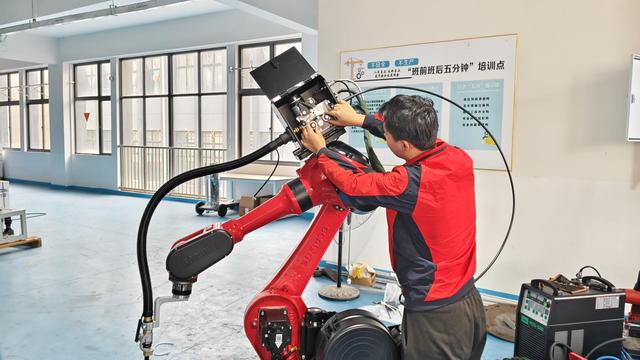
Sandai Robot operates a modern manufacturing facility covering more than 32,000 square meters and employs over 380 experienced engineers, technicians, and production specialists. With 20 automated assembly and testing lines, the company maintains strict quality control procedures throughout design, production, calibration, and final inspection processes. Its annual production capacity exceeds 8,000 industrial robotic welding units, serving customers across automotive manufacturing, metal fabrication, shipbuilding, construction machinery, aerospace components, and heavy industrial equipment sectors.
SQM Factory Area
Expert Engineers
Annual Unit Capacity
Years of Innovation
We are migrating toward full-scale Digital Twin environments where clients can simulate their entire production line in a virtual space before a single bolt is tightened, reducing commissioning time by 40%.
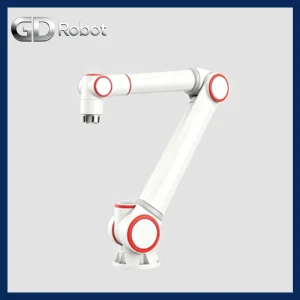
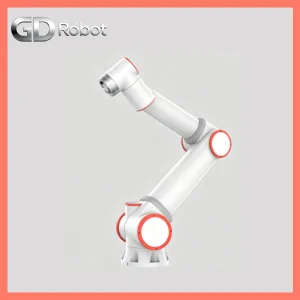
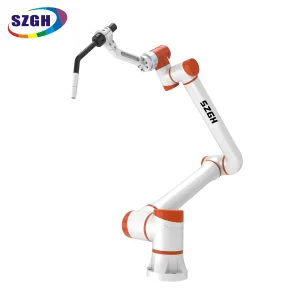
Human-Robot Collaboration (HRC) is the next frontier. Our GD20 and GD30 series utilize torque-sensor feedback to ensure safe operation alongside human workers without the need for safety cages.
Low-latency data processing at the edge allows our 6-axis arms to respond to environmental changes in milliseconds, optimizing paths for "on-the-fly" welding adjustments.
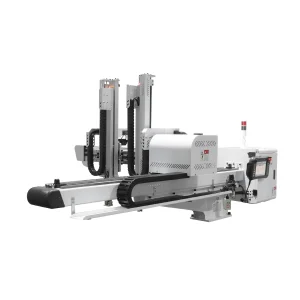
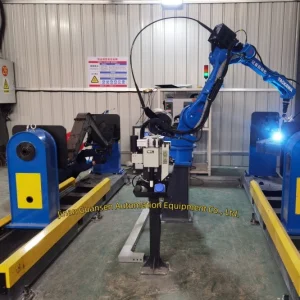
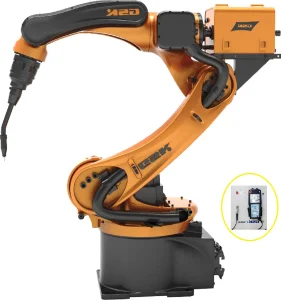
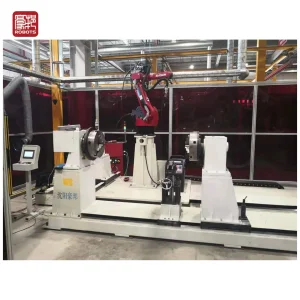
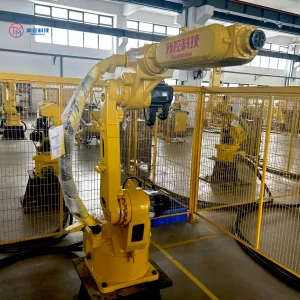
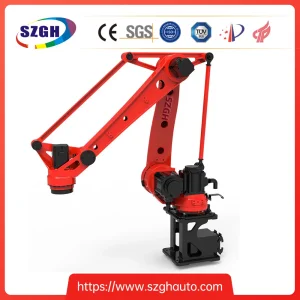
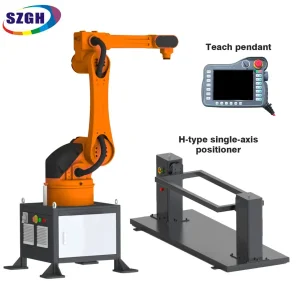
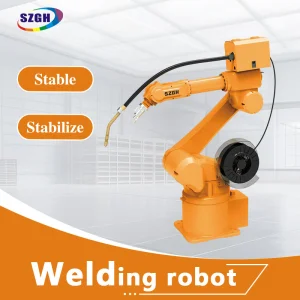
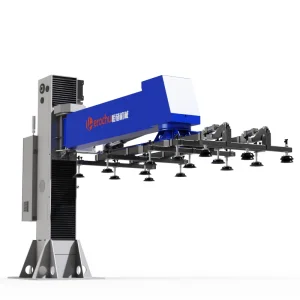
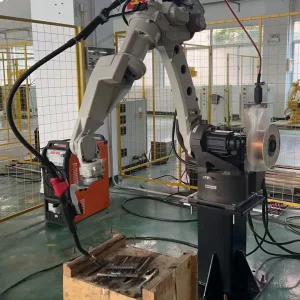
Our core product portfolio includes six-axis welding robot arms, collaborative welding robots, laser welding systems, MIG/TIG robotic welding stations, automated welding manipulators, and customized robotic integration solutions. By combining AI visual positioning, servo motion control technology, intelligent path programming, and real-time monitoring systems, Sandai Robot provides high-precision and stable welding performance for complex industrial applications.
Shenzhen provides an unparalleled ecosystem where sensors, high-precision gearboxes (RV reducers/Harmonic drives), and AI chips are manufactured within a 50km radius. This proximity allows Sandai Robot to maintain a highly resilient supply chain even during global market fluctuations.
All Sandai Robot systems meet CE (LVD/EMC), RoHS, and ISO 9001 standards. We ensure our integrated automation systems adhere to local safety regulations (ANSI/RIA in the US, EN ISO 10218 in Europe).
We partner with local system integrators in Europe, Southeast Asia, and North America to provide on-site installation, training, and 24-hour maintenance services.
Dedicated to helping global manufacturers improve production efficiency through flexible OEM/ODM cooperation services, allowing for custom brand integration and proprietary software workflows.
 Sandai Robot