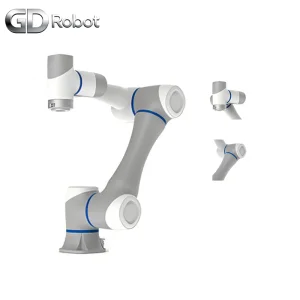
 Low-Cost Customizable Collaborative Robot Arm for Multi-Process Production
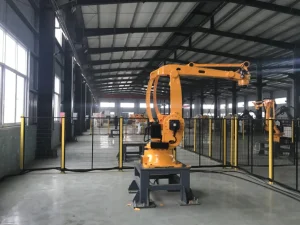 4 Axis Aluminum Industrial Mini Welding Robot Arm Excellent Performance
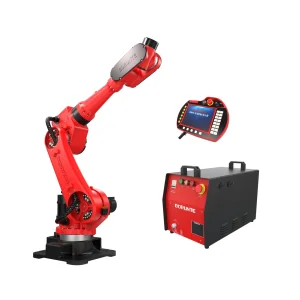 High Payload Capacity 6-Axis Robotic Arm with 2500mm Reach
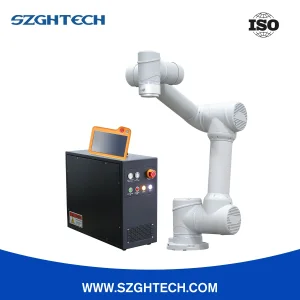 High Speed High Precision Collaborative Manipulator for Production Capacity
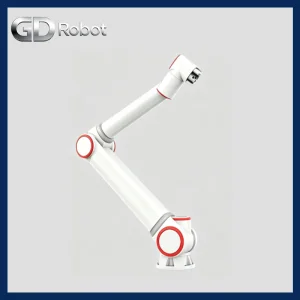 Gd20 1854mm Reach Industrial Robot Arm with Optional IP65 Upgrade
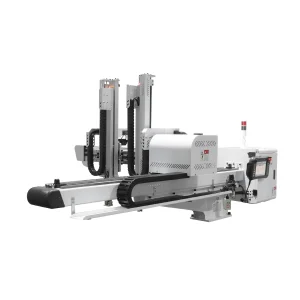 Industrial Manipulator Robot Arm for Automotive Industry Assembly
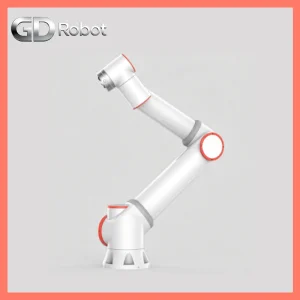 Gd30 Collaborative Robot Arm for Heavy Loading & Multi-Control
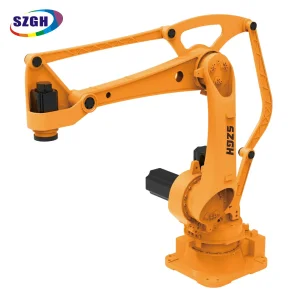 Heavy 50kg Payload 4 Axis Palletizing Industrial Robot Arm
The global manufacturing landscape is undergoing a seismic shift towards Autonomous Intelligent Manufacturing. As labor costs rise and the demand for micron-level precision increases, the role of OEM/ODM Robots for Advanced Welding has transitioned from simple automation to high-level cognitive systems. Today, welding robots are no longer just mechanical arms; they are integrated hubs of AI vision, real-time data analytics, and adaptive motion control.
Leading enterprises are now seeking Information Gain through data-driven production. By leveraging 6-axis kinematics and deep-learning algorithms, modern welding factories can achieve consistency levels that exceed human capability by over 400%. This white paper explores the critical intersection of Chinese supply chain resilience, Shenzhen’s technological ecosystem, and the global demand for sustainable, high-efficiency industrial robotics.
Gone are the days of manual point-to-point programming. Modern AI robots utilize computer vision to recognize seam geometry in real-time, adjusting the torch angle and travel speed dynamically for zero-defect welds.
Human-Robot Collaboration (HRC) is the fastest-growing segment. Low-cost customizable collaborative arms allow human operators to work side-by-side with robots without heavy safety fencing, maximizing floor space efficiency.
Precision welding reduces material waste and energy consumption. Modern robotic systems optimize power cycles, contributing to the global ESG (Environmental, Social, and Governance) targets of Tier-1 automotive suppliers.
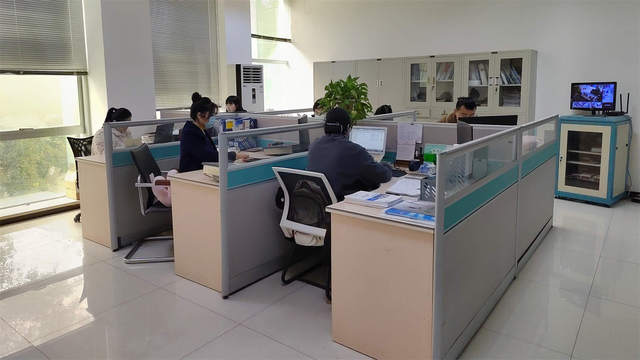
Shenzhen Sandai Robot Co., Ltd. is a professional industrial automation enterprise specializing in the development and manufacturing of welding robot arms, robotic welding systems, and intelligent welding automation solutions for global manufacturing industries. Established in 2012 and headquartered in Shenzhen, China, the company integrates advanced robotics technology, precision engineering, software development, and automated production capabilities to deliver reliable and efficient welding solutions worldwide.
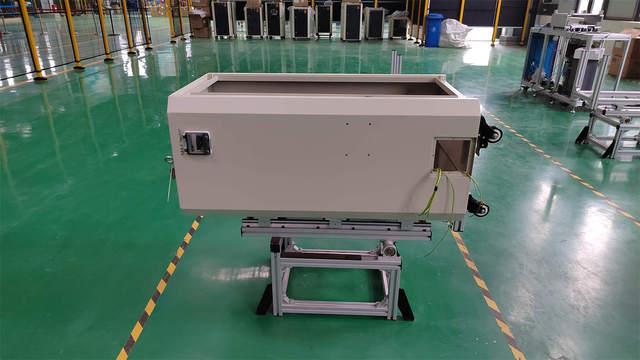
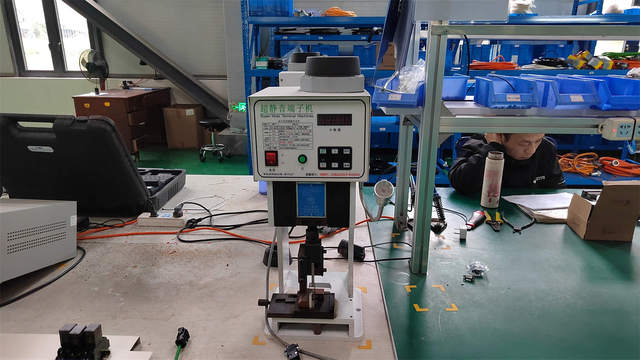
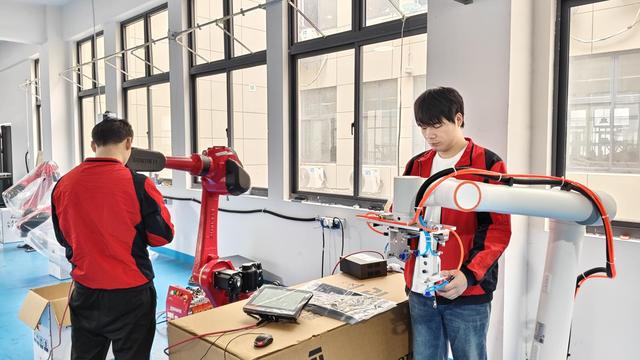
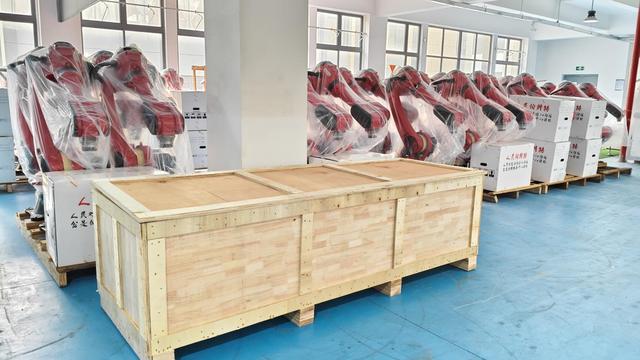
Sandai Robot operates a modern manufacturing facility covering more than 32,000 square meters and employs over 380 experienced engineers, technicians, and production specialists. With 20 automated assembly and testing lines, the company maintains strict quality control procedures throughout design, production, calibration, and final inspection processes. Its annual production capacity exceeds 8,000 industrial robotic welding units, serving customers across automotive manufacturing, metal fabrication, shipbuilding, construction machinery, aerospace components, and heavy industrial equipment sectors.
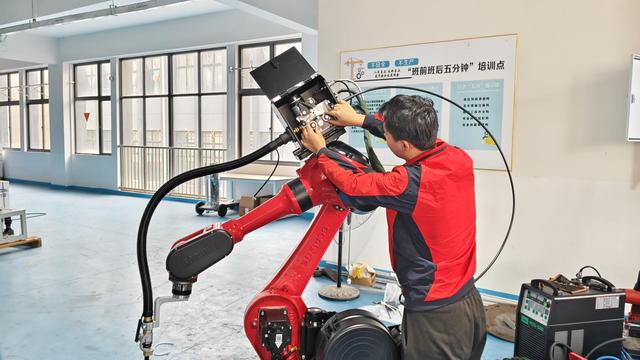
The company’s core product portfolio includes six-axis welding robot arms, collaborative welding robots, laser welding systems, MIG/TIG robotic welding stations, automated welding manipulators, and customized robotic integration solutions. By combining AI visual positioning, servo motion control technology, intelligent path programming, and real-time monitoring systems, Sandai Robot provides high-precision and stable welding performance for complex industrial applications.
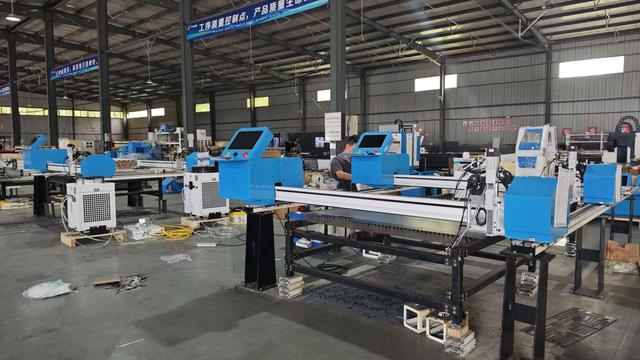
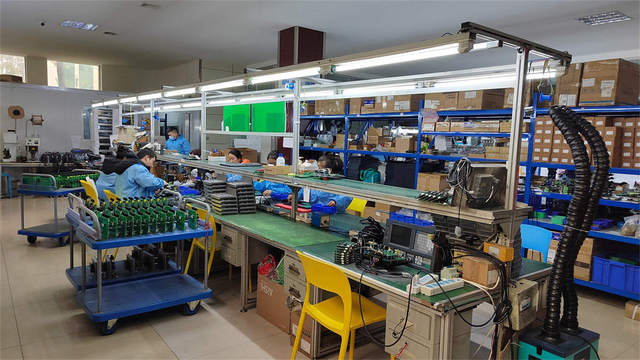
As a global hub for hardware innovation, Shenzhen provides Sandai Robot with an unparalleled ecosystem of high-precision component suppliers, from harmonic reducers to high-torque servo motors. This localized supply chain ensures that our OEM/ODM Robot services offer the fastest lead times and the most competitive cost-to-performance ratio in the industry.
International buyers are moving away from "black-box" proprietary systems toward Open-Architecture Robots. Sandai Robot fulfills this need by providing:
High-speed 6-axis robots performing 24/7 MIG welding on high-strength steel frames with sub-millimeter repeatability.
Precision TIG/Laser welding of aluminum and titanium alloys, utilizing AI vision for real-time seam tracking in vacuum environments.
Heavy payload robots (up to 50kg+) handling large-scale structural welds for excavators and crane booms.
Compact 4-axis aluminum robots for delicate component shielding and precision micro-welding tasks.
Portable welding units and long-reach arms designed for the harsh environments of large-scale maritime fabrication.
Dedicated laser welding stations for EV battery busbar assembly, ensuring minimal heat-affected zones.
A: Our primary advantage lies in the deep customization we offer. Unlike off-the-shelf brands, we tailor the robot’s payload, reach, and software integration to your specific factory workflow, providing higher ROI and lower total cost of ownership (TCO).
A: Yes, all our advanced welding robots are equipped with IoT-ready controllers that support standard protocols like MQTT and OPC UA, allowing for real-time performance monitoring and predictive maintenance.
A: We utilize advanced 3D laser seam tracking and AI-driven visual sensors that compensate for workpiece tolerances in real-time, ensuring that every weld bead meets the specified penetration and quality standards.
A: Thanks to our 32,000㎡ facility and 20 automated assembly lines, we can typically deliver standard customized units within 4-8 weeks, depending on the complexity of the end-effectors and integration requirements.
A: Our Gd30 series is specifically designed for continuous heavy loading. While traditional cobots are for light tasks, our industrial-grade cobots combine safety sensors with high-torque capacity for serious manufacturing needs.
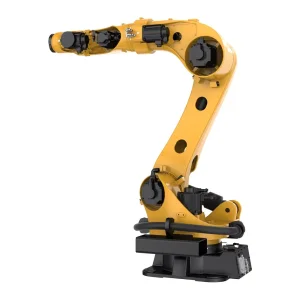 High-Performance Automated Robotic Arm for Intelligent Automation Needs
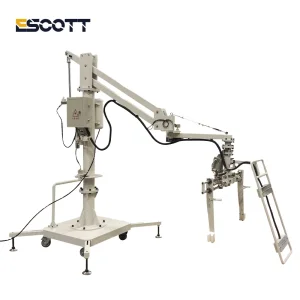 High Precision Pneumatic Manipulator Robot Arm for Screen Handling
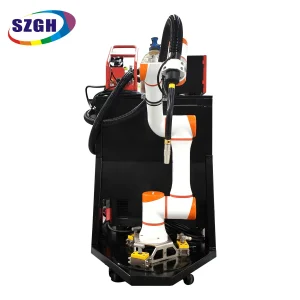 SZGH-0907-A Industrial Cobot for Hardware and Metal Welding
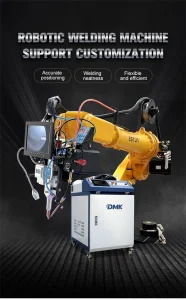 Six-Axis Robotic Arm Span 1510 Fiber Laser Welding Machine
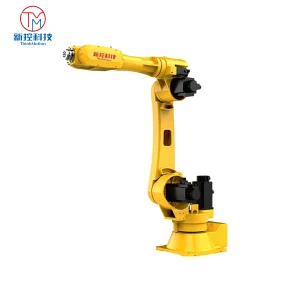 Smart Multi-Joint Welding Robot Arm for Industrial Automation
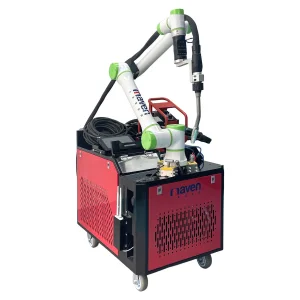 Humanoid AI Robot & Quadruped Robotic Arm Welding Machine System
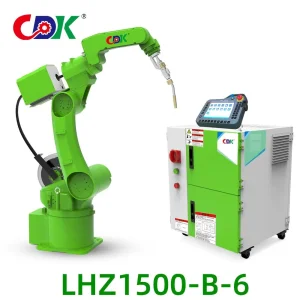 Industrial 6 Axis Robot Arm Kit for Welding 6kg Payload Manipulator
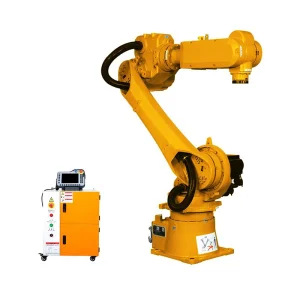 Advanced 6 Axis Welding Robot Arm for Heavy Payloads & Performance
Driven by continuous innovation and smart manufacturing development, Sandai Robot invests heavily in robotics research and automation software optimization. The company is committed to helping global manufacturers improve production efficiency, welding consistency, workplace safety, and long-term operational performance through advanced robotic welding technologies and flexible OEM/ODM cooperation services.
 Sandai Robot