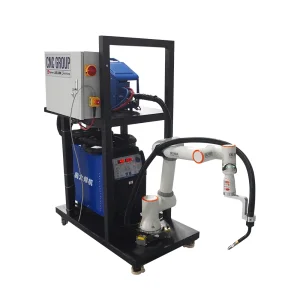
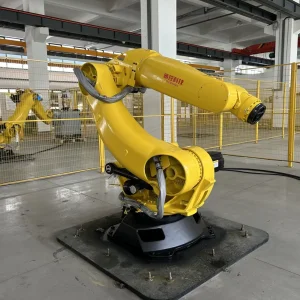
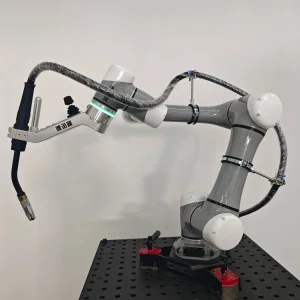
Precision-engineered systems designed for high-performance industrial applications.
An Industry Whitepaper on OEM/ODM Integration and Smart Manufacturing
In the current landscape of global manufacturing, the transition from manual welding to automated welding systems is no longer a luxury but a strategic necessity. As a leading OEM/ODM Welding Automation Systems Manufacturer, Shenzhen Sandai Robot Co., Ltd. recognizes that the convergence of AI, precision kinematics, and real-time data feedback is reshaping how industries approach metal fabrication. Modern welding automation is characterized by its ability to provide Information Gain—using sensor data to adapt to variations in workpiece geometry, thereby ensuring zero-defect production.
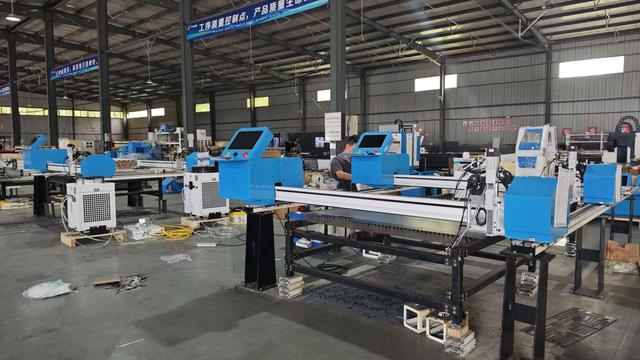
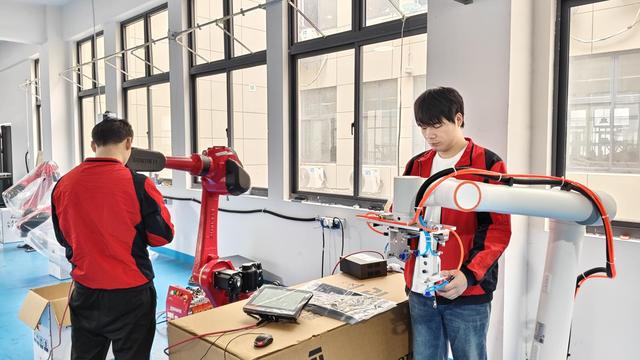
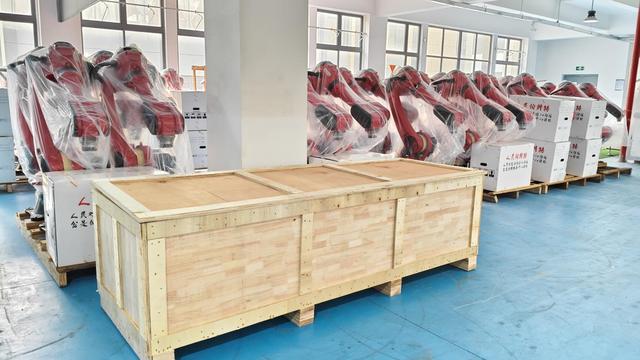
Established in 2012, Shenzhen Sandai Robot Co., Ltd. has emerged as a professional industrial automation enterprise. Integrating advanced robotics technology with precision engineering, we operate a 32,000 square meter facility with over 380 specialists. Our annual capacity of over 8,000 industrial units serves sectors ranging from aerospace to heavy construction machinery.
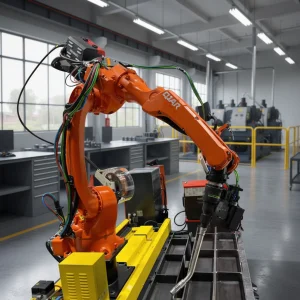
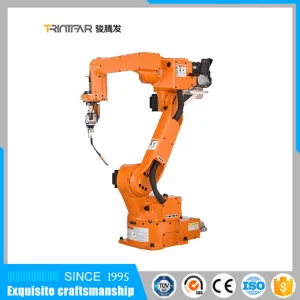
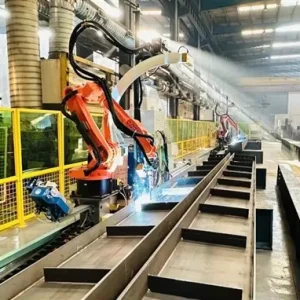
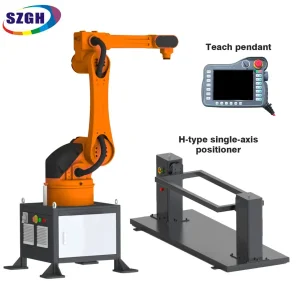
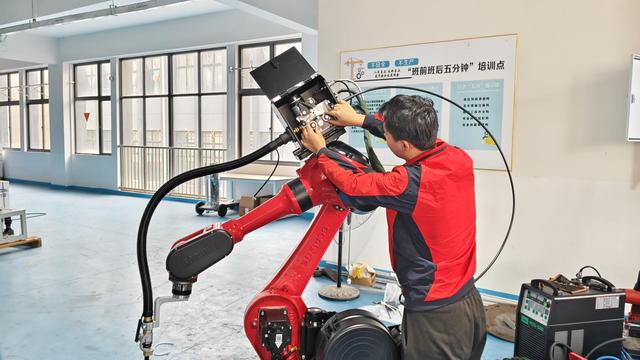
True automation excellence involves a holistic approach. We don't just supply robot arms; we engineer comprehensive Macro Industry Solutions. For the automotive sector, this means high-speed MIG welding with sub-millimeter precision. For the shipbuilding and steel structure industries, our Submerged Arc Welding Stations and H-beam specialized systems provide the heavy-duty performance required for structural integrity. Our solutions integrate AI visual positioning and servo motion control to handle complex paths that were once thought impossible for machines.
Understanding the roadmap to 2030 in welding automation.
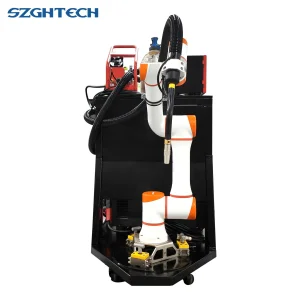
The rise of collaborative robots (Cobots) allows human-machine synergy. These systems are easier to program and can be deployed in flexible manufacturing cells where space is limited but precision is paramount.
Real-time seam tracking and laser vision systems are becoming standard. This "Information Gain" allows the robot to compensate for part misalignment, reducing waste and the need for expensive jigging.
Modern procurement demands IoT-enabled systems. Manufacturers now require remote monitoring and predictive maintenance capabilities to minimize downtime in high-volume production environments.
When global enterprises look for a Welding Automation Systems Supplier, they prioritize four key pillars: Reliability, Scalability, Compliance, and Total Cost of Ownership (TCO). Procurement managers are increasingly shifting away from "off-the-shelf" products toward OEM/ODM partnerships that offer customized reach, payload capacities, and software interfaces tailored to their specific MES (Manufacturing Execution Systems).
Our commitment to staying at the frontier of robotics technology.
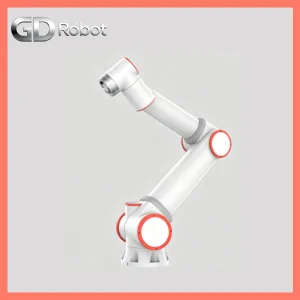
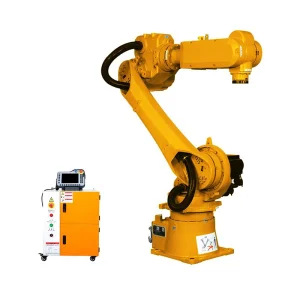
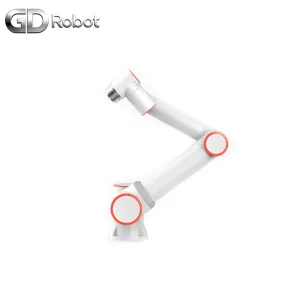
The future of welding automation lies in Autonomous Process Optimization. By 2026, Sandai Robot aims to fully integrate generative path planning, where the system analyzes a 3D CAD model and automatically generates the most efficient welding path without manual teaching. Our current portfolio, including the SZGH-T1600-15C and the Gd30 Collaborative Arm, serves as the foundation for this next-generation intelligence.
Navigating international standards is a core competency. We ensure all our systems meet CE, ISO9001, and safety-compliant standards. Furthermore, our ODM service includes localized UI/UX for software and localized technical support protocols to ensure that language and regional differences never hinder production uptime.
Deep insights for technical buyers and production managers.
Our OEM service isn't just about private labeling; it's about deep technical integration. We offer customizable robotic reach, payload modifications, and specialized software APIs to ensure the robot integrates perfectly with your existing production line and ERP system.
Traditional robots follow a fixed path. Our AI-driven systems use laser sensors to "see" the seam. If the metal has warped or is slightly misplaced, the robot adjusts its path in real-time, ensuring the weld is always in the correct position with optimal penetration.
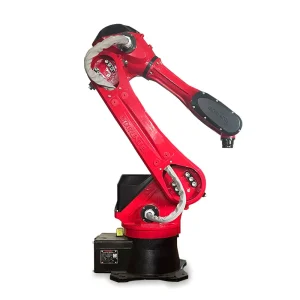
The Gd30 is ideal for heavy-duty loading and welding in mid-sized manufacturing. Unlike standard industrial robots, it can work alongside humans with proper safety sensing, making it perfect for shops that need to automate without full safety fencing.
Most of our clients report a full ROI within 12 to 18 months. This is driven by a 40-60% increase in throughput, significant reduction in wire/gas waste, and the ability to operate 24/7 without the labor challenges associated with skilled manual welders.
Precision tools for high-stakes manufacturing environments.
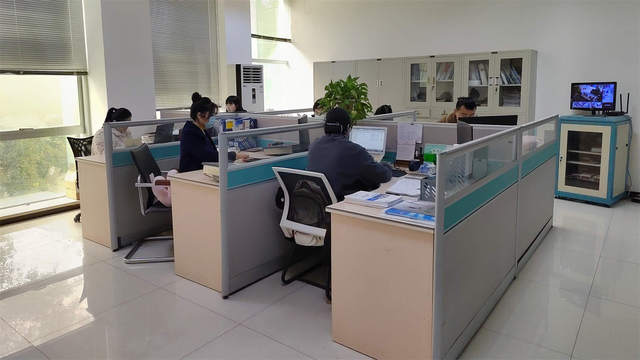
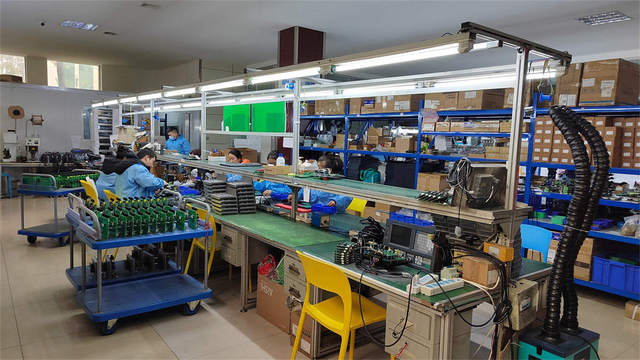
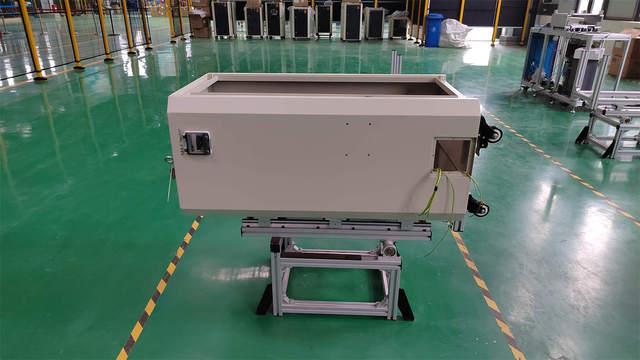
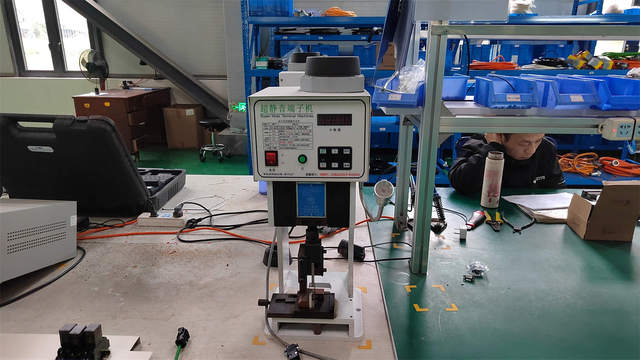
A glimpse into our 32,000m² production and innovation center.
 Sandai Robot