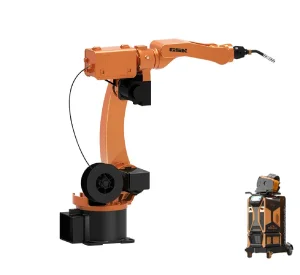
 Advanced Autonomous Arc TIG Welding Robot with 6-Axis Arm
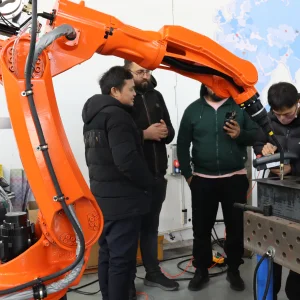 JUGAO High Precision 6-Axis Multifunctional Welding Robot Arm Payload Industrial Welding Workstation
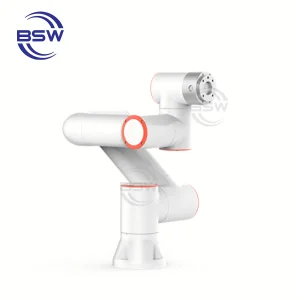 Precision Gluing and Dispensing Collaborative Robot Arm 6-Axis Industrial Cobot Arm
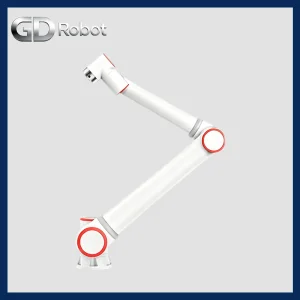 Factory Direct Wholesale Gd20 Energy-Efficient Industrial Robot Arm for High-Capacity Loading Lines
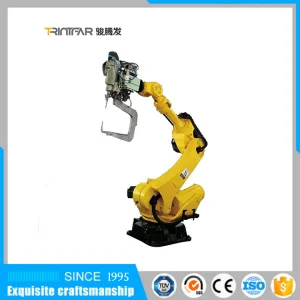 Collaborative Robot Arm 6 Axis Welding Robot Price
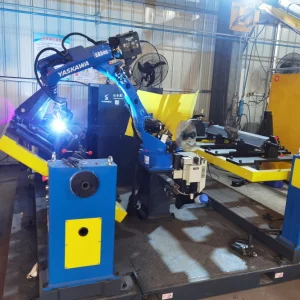 Professional Industrial Welding Robot Arm-Controlled Welding Positioner Workstation
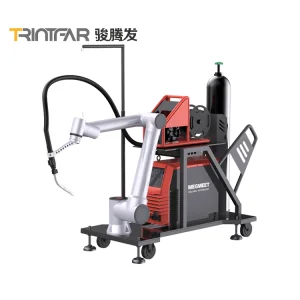 6-Axis Arm Arc Mig Mobile Welding Robot Workstation for Automated Pipe Steel Structures
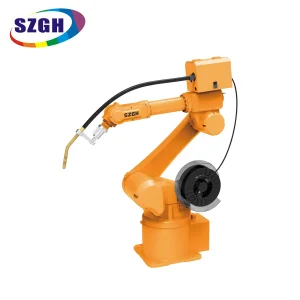 6 Axis MIG Welding Robot OTC Welder TIG Welding Robot Arm
Next-generation systems utilize neural networks to predict thermal deformation and adjust welding parameters (voltage, wire speed) mid-seam.
Real-time data synchronization between the welding arm and the cloud allows for predictive maintenance and global fleet management.
Combining the deep penetration of lasers with the gap-filling capability of arc welding for aerospace-grade structural integrity.
Intuitive "Lead-through" programming allows non-expert operators to teach robots complex paths by simply moving the arm by hand.
Plug-and-play mobile units that can be redeployed across the factory floor within 30 minutes, maximizing ROI for small-batch exporters.
Optimized arc stability reduces spatter by 90%, significantly cutting down on material waste and post-weld grinding energy.
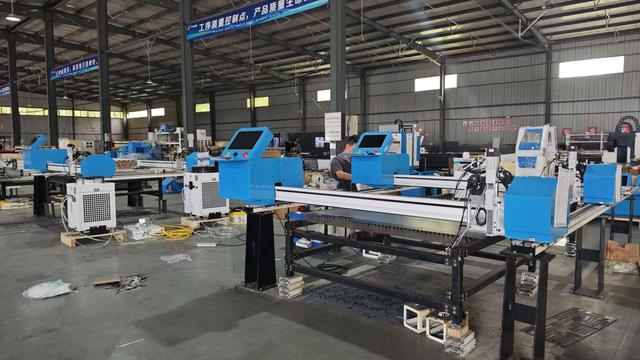
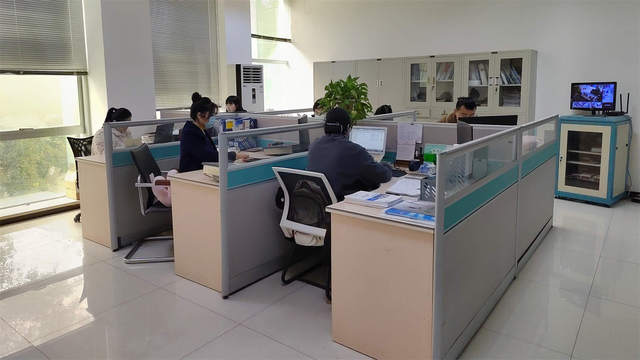
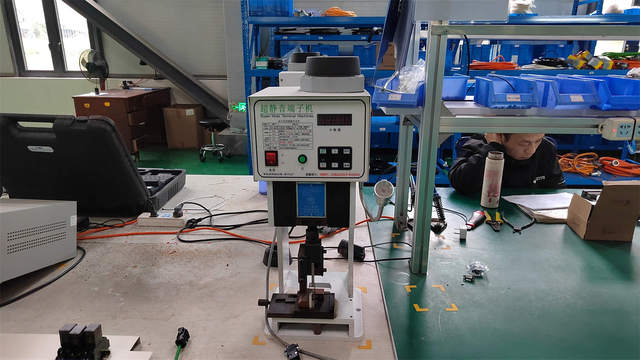
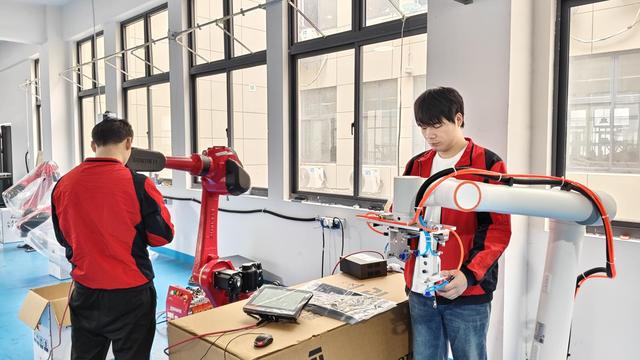
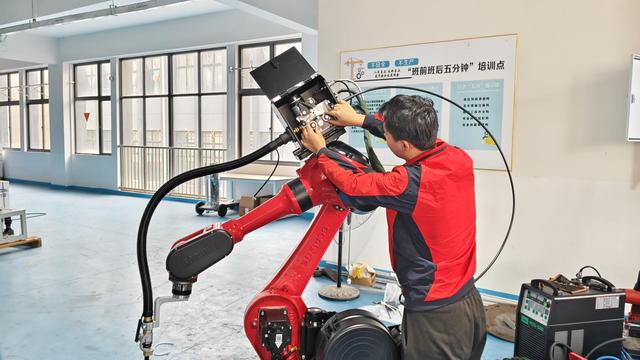
Shenzhen Sandai Robot Co., Ltd. is a professional industrial automation enterprise specializing in the development and manufacturing of welding robot arms, robotic welding systems, and intelligent welding automation solutions for global manufacturing industries. Established in 2012 and headquartered in Shenzhen, China, the company integrates advanced robotics technology, precision engineering, software development, and automated production capabilities to deliver reliable and efficient welding solutions worldwide.
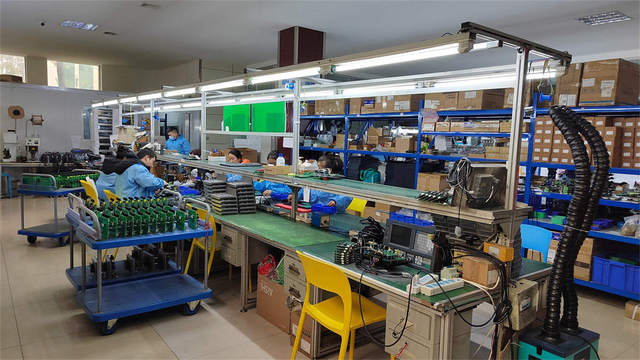
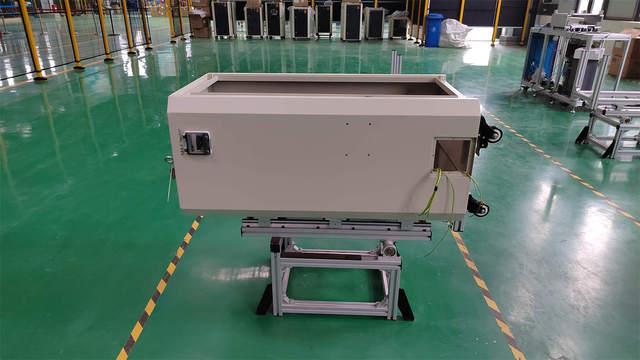
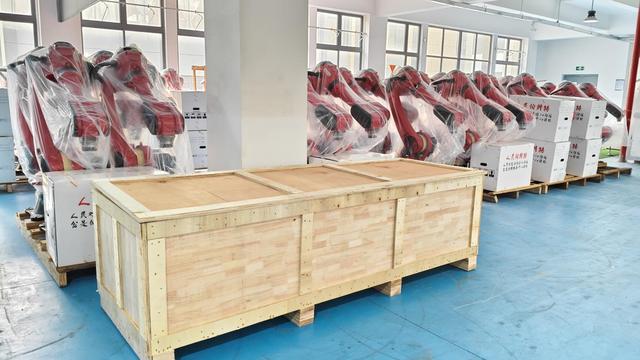
Sandai Robot operates a modern manufacturing facility covering more than 32,000 square meters and employs over 380 experienced engineers, technicians, and production specialists. With 20 automated assembly and testing lines, the company maintains strict quality control procedures throughout design, production, calibration, and final inspection processes. Its annual production capacity exceeds 8,000 industrial robotic welding units, serving customers across automotive manufacturing, metal fabrication, shipbuilding, construction machinery, aerospace components, and heavy industrial equipment sectors.
By combining AI visual positioning, servo motion control technology, intelligent path programming, and real-time monitoring systems, Sandai Robot provides high-precision and stable welding performance for complex industrial applications.
Focus on UL/CSA certification and integration with local CAD/CAM software. High demand for heavy-duty 6-axis arms for construction machinery.
Emphasis on CE compliance and "Industry 4.0" connectivity. Exporters provide sophisticated data logging for aerospace quality auditing.
High-value placed on Ease of Use and rapid training. Mobile welding stations are popular for pipe structures and metal furniture fabrication.
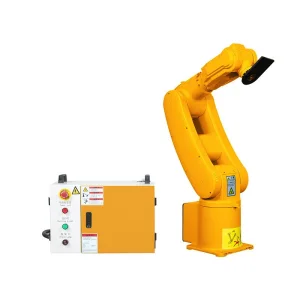 Szgh Best Industrial Robot Arm 6 Axis Robotic Arms for 3D Laser Welding/Cutting
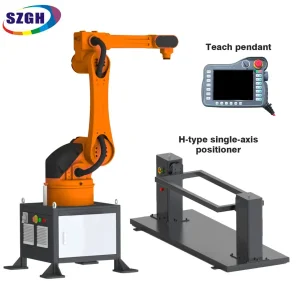 SZGH-T1600-15C Robotic Welding Arm Long Reach 1510mm
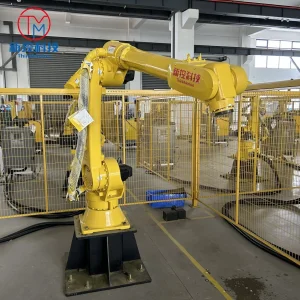 Advanced Safety High Precision Laser Welding Robot Arm for Metal Fabrication
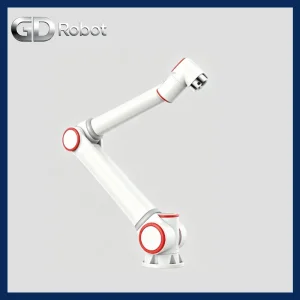 Professional Manufacturer Gd20 High Payload Collaborative Robot Arm for Workshops
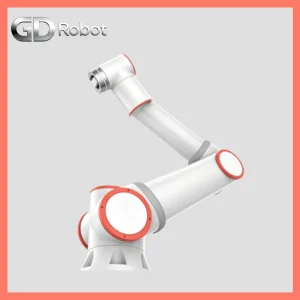 Factory Direct Gd30 30kg Collaborative Robot Arm for High-Volume Tasks
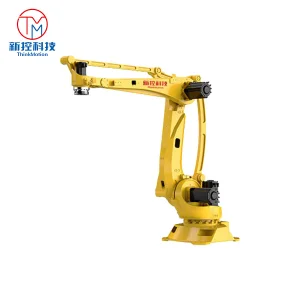 High Precision 4 Axis Industrial Weld Robotic Arm 3200mm Long Reach MIG 180kg
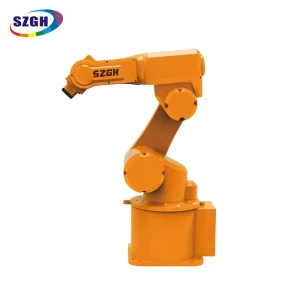 Hot selling six-axis robot welding arm multi-functional processing industrial robot
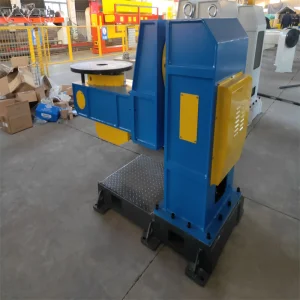 2-Axis L-Type Servo Positioner Controlled by Robot for Batch Welding of Metal Parts
 Sandai Robot