The global construction sector is undergoing a seismic shift. Driven by labor shortages, rising material costs, and the urgent need for sustainability, Tier-1 suppliers and exporters are pivoting toward Construction Robotics. As a leading manufacturer, Shenzhen Sandai Robot Co., Ltd. recognizes that the "building site of the future" is no longer a concept—it is a data-driven, automated reality.
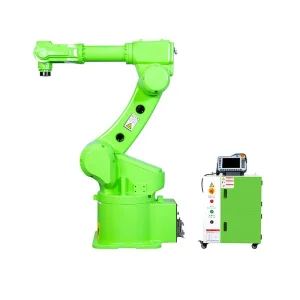
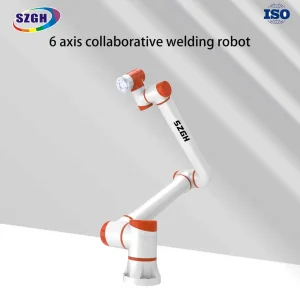
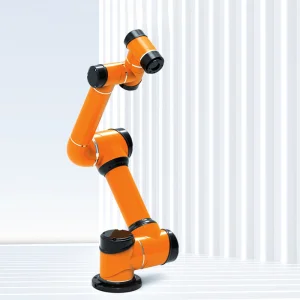
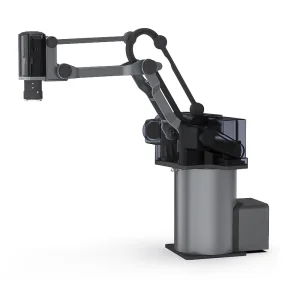
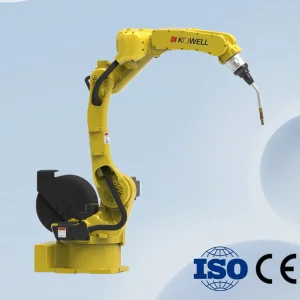
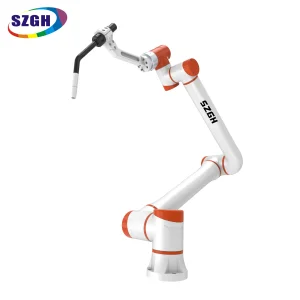
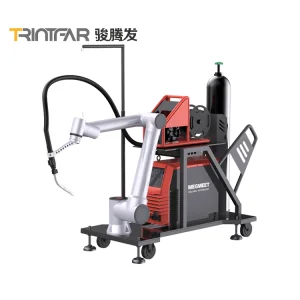
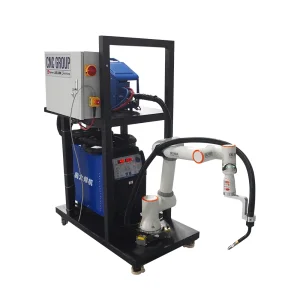
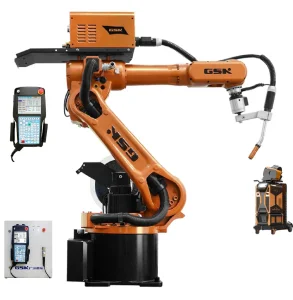
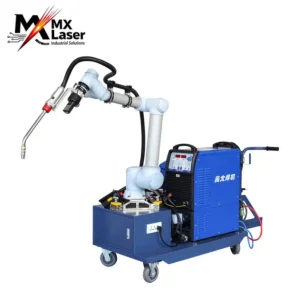
Today’s construction robotics market is characterized by the move from massive, stationary machinery to versatile, 6-axis multi-joint arms and collaborative robots (Cobots). These systems are capable of handling high-precision tasks such as structural steel welding, facade spraying, and modular component assembly with sub-millimeter accuracy. For exporters and suppliers, providing "Information Gain" means more than just listing specs; it means demonstrating how these robots integrate into Building Information Modeling (BIM) workflows to ensure a seamless transition from digital twin to physical structure.
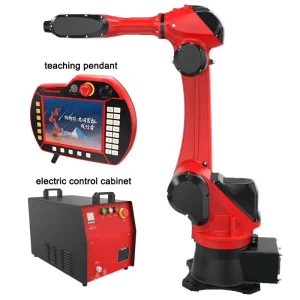
At Shenzhen Sandai Robot, our core advantage lies in the integration of AI visual positioning and servo motion control. Unlike traditional robots that require rigid programming, our 6-axis systems utilize real-time monitoring to adapt to variations in material alignment. This is crucial for construction, where surfaces are rarely perfect. Our laser welding systems and MIG/TIG stations are designed to identify seams autonomously, reducing setup time by 60%.
Exporters must navigate a complex web of international standards. Our systems are engineered to meet CE, UL, and ISO requirements, ensuring that when we ship to North America, Europe, or Southeast Asia, the equipment is ready for immediate site integration. Sandai Robot provides comprehensive localization, including multi-language software interfaces, localized technical training, and a global supply chain for spare parts, ensuring zero-downtime operations.
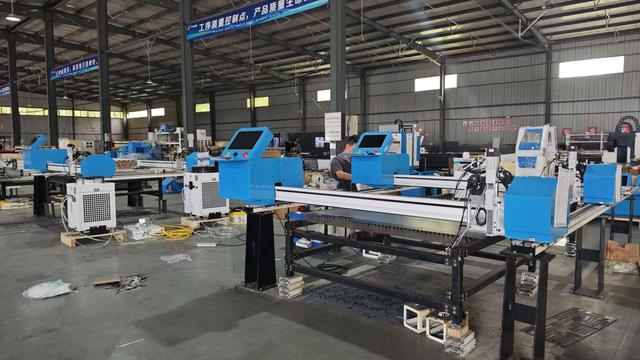
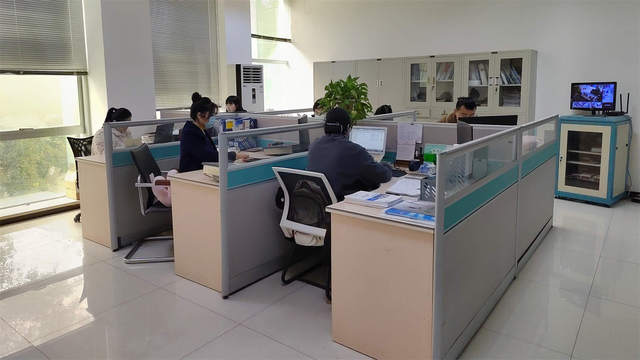
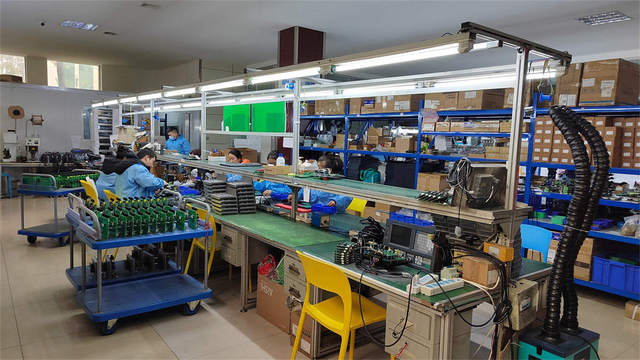
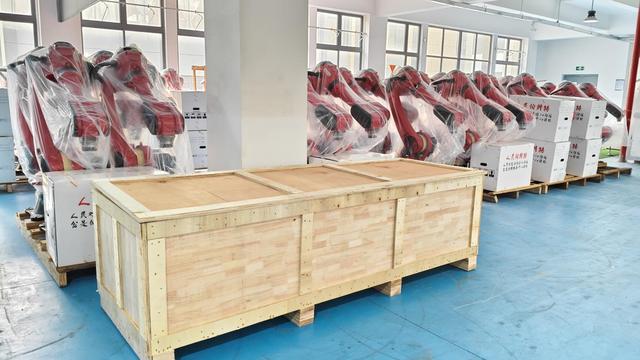
Since 2012, Shenzhen Sandai Robot Co., Ltd. has evolved from a specialized lab to a 32,000sqm manufacturing powerhouse. With over 380 engineers and 20 automated assembly lines, we don't just export robots; we export years of R&D and field-tested reliability. Our annual capacity of 8,000 units makes us a pillar of the global robotics supply chain.
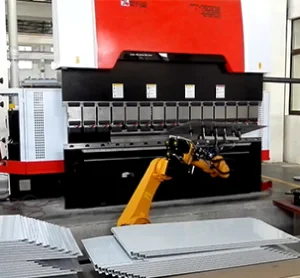
Automating the assembly of shipping container homes and prefabricated structural frames using high-reach 6-axis arms.
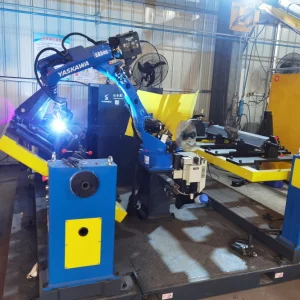
Utilizing MIG/TIG robotic stations for high-stress joints in bridge construction and skyscraper skeletons.
Automated spraying robots applying weather-resistant coatings to large-scale panels with zero human exposure to fumes.
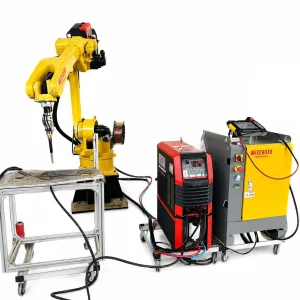
Portable welding stations deployed for on-site pipe repair and steel reinforcement in remote civil engineering projects.
Shenzhen Sandai Robot Co., Ltd. is a professional industrial automation enterprise specializing in the development and manufacturing of welding robot arms, robotic welding systems, and intelligent welding automation solutions for global manufacturing industries. Established in 2012 and headquartered in Shenzhen, China, the company integrates advanced robotics technology, precision engineering, software development, and automated production capabilities to deliver reliable and efficient welding solutions worldwide.
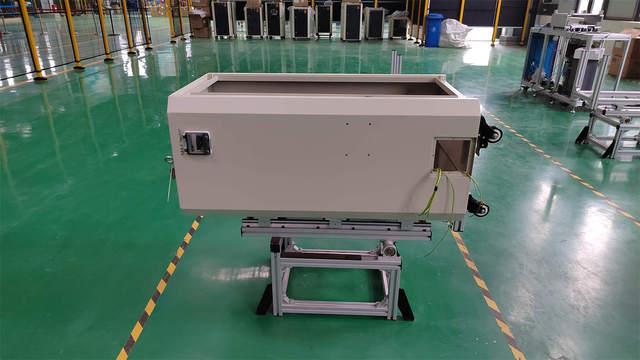
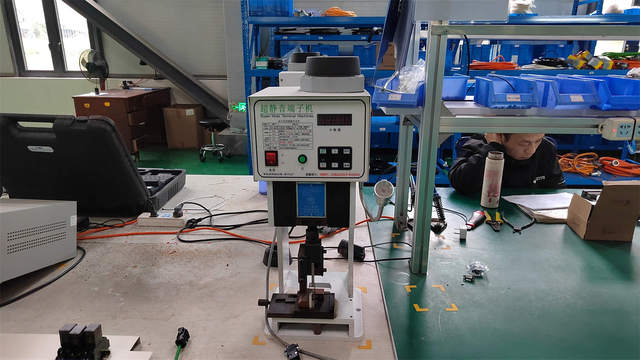
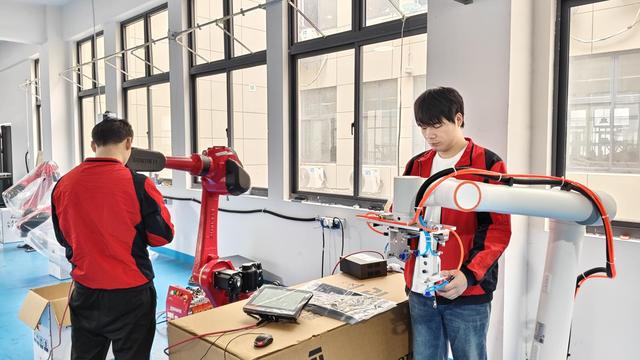
Sandai Robot operates a modern manufacturing facility covering more than 32,000 square meters and employs over 380 experienced engineers, technicians, and production specialists. With 20 automated assembly and testing lines, the company maintains strict quality control procedures throughout design, production, calibration, and final inspection processes. Its annual production capacity exceeds 8,000 industrial robotic welding units, serving customers across automotive manufacturing, metal fabrication, shipbuilding, construction machinery, aerospace components, and heavy industrial equipment sectors.
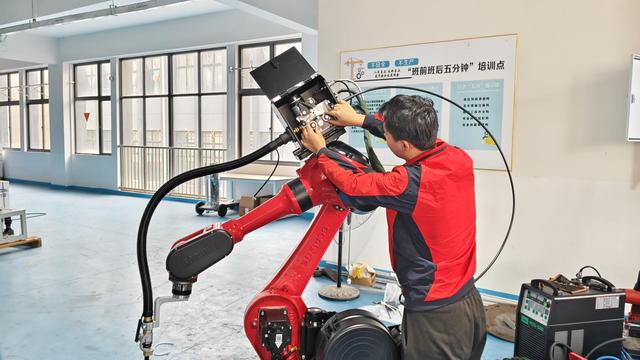
Looking toward 2030, Sandai Robot is investing heavily in Cloud-Robotics and 5G-enabled remote operation. This will allow site managers to oversee a fleet of robotic welders from a central office, further enhancing safety. We are also optimizing our Collaborative Welding Cobots for better human-robot interaction, allowing skilled welders to "teach" robots new paths via hand-guided intuitive programming.
Our commitment to OEM/ODM services ensures that as construction methods evolve—such as 3D concrete printing or carbon-fiber structural weaving—our robotic arms will provide the flexible foundation required for innovation.
 Sandai Robot