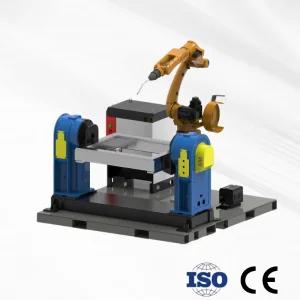
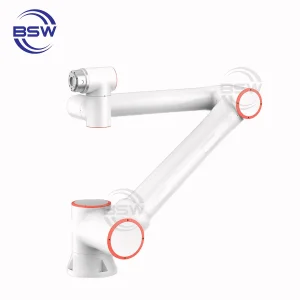
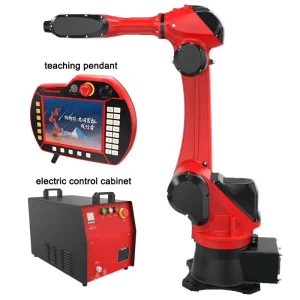
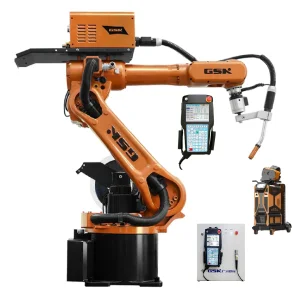
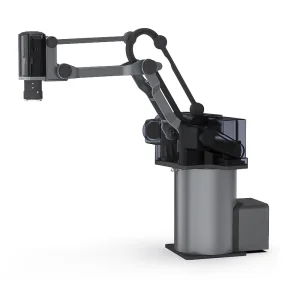
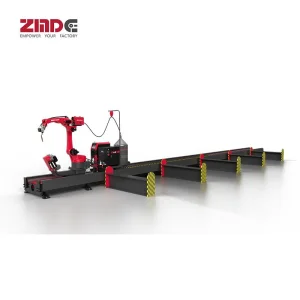
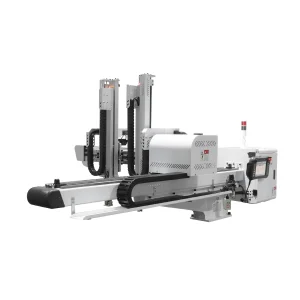
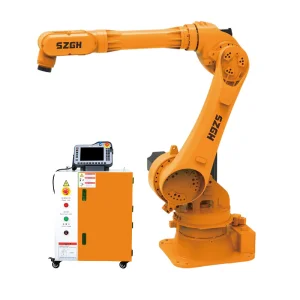
Advanced 6-Axis Robotic Arms optimized for the automotive manufacturing clusters in Győr, Kecskemét, and Debrecen.
Hungary has solidified its position as the automotive powerhouse of Central Europe. With major OEMs like Audi, Mercedes-Benz, Suzuki, and Opel operating massive production hubs, the demand for precision welding automation has reached an all-time high. The shift towards Electric Vehicle (EV) production, particularly with CATL's massive battery investment in Debrecen, requires specialized robotic welding for battery trays and chassis reinforcement.
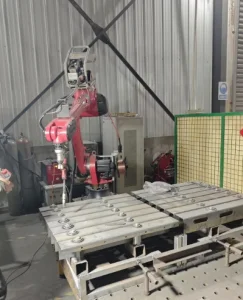
Standard welding robots are no longer enough. Hungarian manufacturers now require "Intelligent Kinematic Integration." Our solutions provide advanced thermal management and laser seam tracking specifically designed for thin-wall aluminum alloys used in EV battery housings—a critical technological leap for local Tier-1 and Tier-2 suppliers.
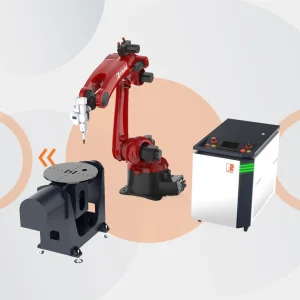
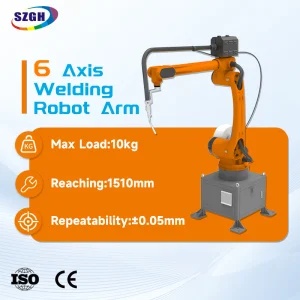
Our 6-axis robotic arms utilize high-torque harmonic reducers and absolute encoders, providing the dexterity needed for complex underbody welding and interior structural joints. This is essential for the high-mix, low-volume production trends seen in European luxury car segments.
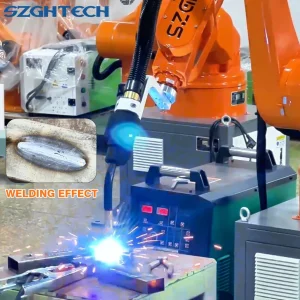
Equipped with laser-based visual inspection, our robots can compensate for workpiece deviations in real-time. This reduces scrap rates by 15% and ensures every weld meets the stringent quality standards of the European automotive safety directives.
We provide full digital twin simulation models. Hungarian engineers can program and test welding paths in a virtual environment before deployment, minimizing downtime during factory retooling for new car models.
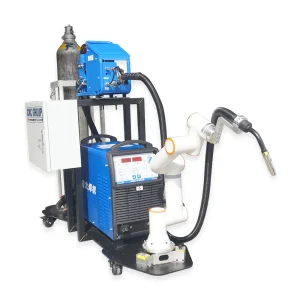
For assembly lines requiring human-robot interaction, our collaborative welding robots (Cobots) feature force-torque sensors and speed-limiting safety protocols, allowing them to work alongside Hungarian factory staff without protective fencing.
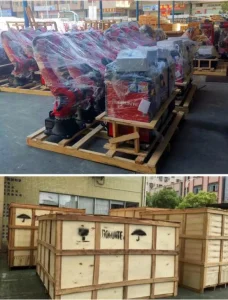
Navigating the European regulatory environment requires a partner who understands the CE Marking and Machinery Directive (2006/42/EC). As a leading exporter to the Hungarian market, we ensure that every robotic unit shipped meets the electromagnetic compatibility (EMC) and low voltage (LVD) standards required for seamless integration into EU-based production lines.
Our commitment to Hungary extends beyond delivery. We recognize that the Hungarian "Eastern Opening" policy has created a unique bridge between Asian technology and European quality standards. We offer comprehensive remote technical support and are currently expanding our network of local maintenance partners to ensure that technical assistance is available in the Hungarian time zone.
Furthermore, our robots support multiple fieldbus protocols common in European factories, including PROFINET, EtherCAT, and DeviceNet, ensuring that our systems "speak the same language" as the existing PLCs from Siemens or Beckhoff typically found in Hungarian automotive plants.
Shenzhen Sandai Robot Co., Ltd. is a professional industrial automation enterprise specializing in the development and manufacturing of welding robot arms, robotic welding systems, and intelligent welding automation solutions for global manufacturing industries. Established in 2012 and headquartered in Shenzhen, China, the company integrates advanced robotics technology, precision engineering, software development, and automated production capabilities to deliver reliable and efficient welding solutions worldwide.
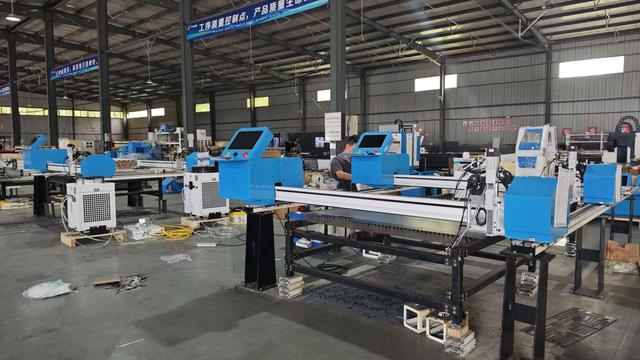
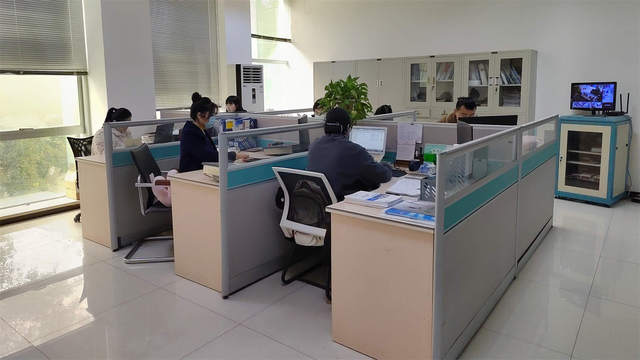
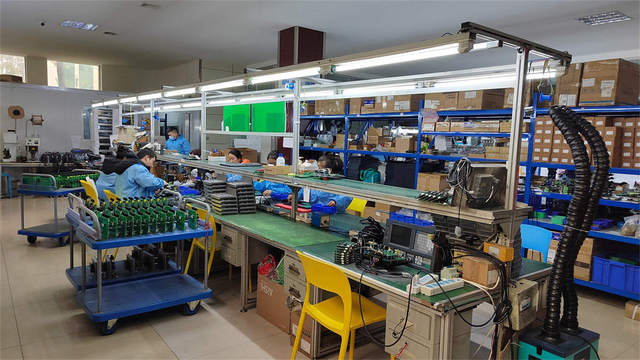
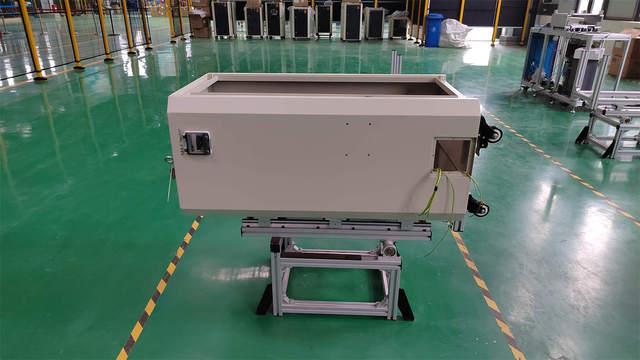
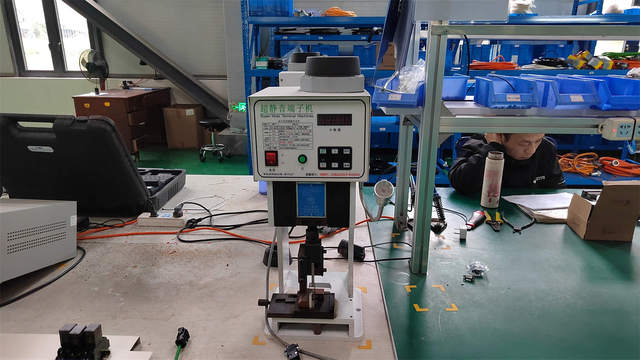
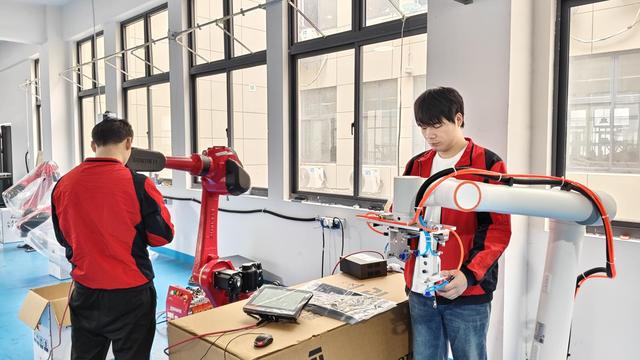
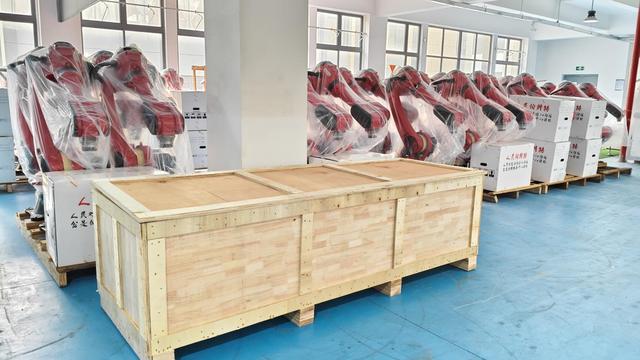
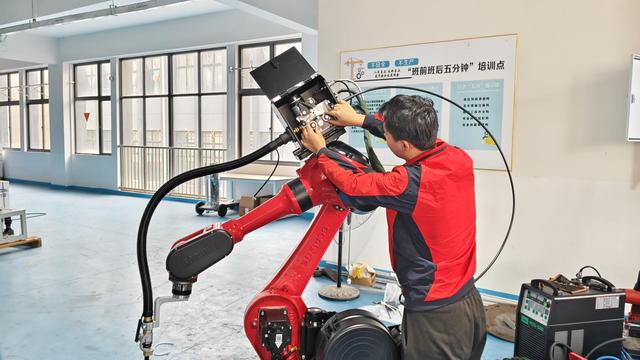
Sandai Robot operates a modern manufacturing facility covering more than 32,000 square meters and employs over 380 experienced engineers, technicians, and production specialists. With 20 automated assembly and testing lines, the company maintains strict quality control procedures throughout design, production, calibration, and final inspection processes. Its annual production capacity exceeds 8,000 industrial robotic welding units, serving customers across automotive manufacturing, metal fabrication, shipbuilding, construction machinery, aerospace components, and heavy industrial equipment sectors.
Transitioning from pre-programmed paths to AI-driven "Experience-Based" welding where the robot optimizes its own parameters based on real-time ultrasonic feedback.
Reducing energy consumption of robot controllers by 25% through regenerative braking technology and optimized motion planning, aligning with the EU Green Deal.
A: Our robots are designed with modular communication interfaces that support Industry 4.0 standards. They can be easily integrated into existing SCADA systems and are compatible with mainstream European PLC brands.
A: Given the rising labor costs and the need for 3-shift operations in Hungarian automotive clusters, most clients see a full Return on Investment (ROI) within 14 to 22 months through reduced scrap, higher throughput, and labor optimization.
A: Yes, we offer comprehensive training packages for Hungarian engineers, covering robot operation, maintenance, and advanced programming. Installation can be managed by our technical export team or local integration partners.
A: Absolutely. All our robotic arms exported to Hungary and the wider EU carry the CE mark and comply with EN ISO 10218-1:2011 and ISO 13849-1 safety requirements.
Explore our full range of industrial manipulators and welding systems tailored for Central European industry.
Contact our technical engineering team for a customized robotic welding solution and site assessment in Hungary.
 Sandai Robot