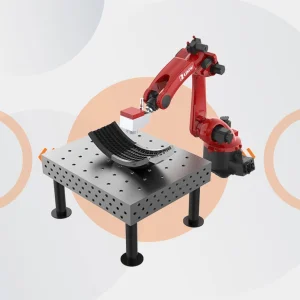
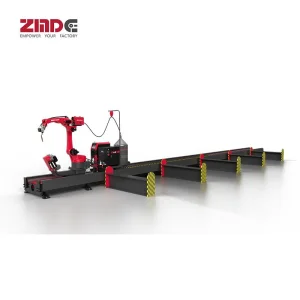
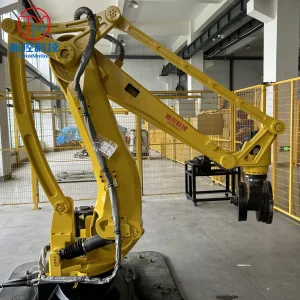
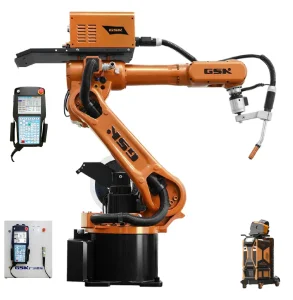
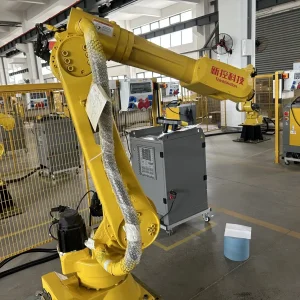
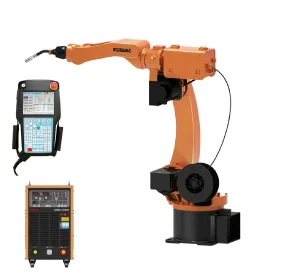
High-performance robotic arms, cobots, and specialized workstations designed for heavy-duty metal fabrication.
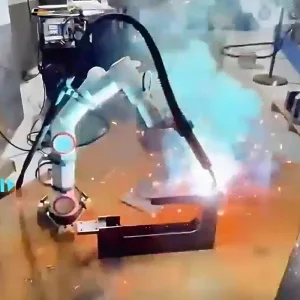
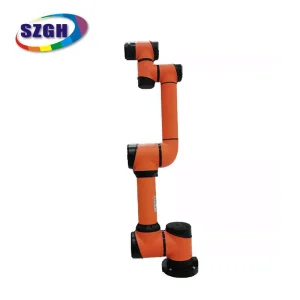
An in-depth analysis of next-generation robotic spot welding and automation ecosystems.
Modern spot welding systems now feature real-time resistance monitoring and adaptive current adjustments. This minimizes weld spatter, compensates for electrode wear, and maintains structural integrity across multi-gauge high-strength steels.
By leveraging optical positioning and deep-learning visual systems, automated lines now require minimal human programming. Systems automatically recalculate paths to compensate for part misalignment and variation.
Transitioning from pneumatic to electric servo-driven weld guns has dramatically reduced cycle times. Servo guns provide precise force profiles, extending electrode life and significantly reducing compressed-air overheads.
The industrial manufacturing sector is experiencing a monumental transition from basic semi-automation to fully integrated, intelligent cyber-physical production lines. Spot welding remains the backbone of the global automotive Body-in-White (BIW) assembly and heavy structure fabrication sectors. Today, simply providing mechanical motion is insufficient; modern procurement channels seek smart welding systems capable of adapting to varying material thicknesses, processing high-strength alloys (such as AHSS and UHSS), and offering full traceability for every weld spot created.
Chinese manufacturers have historically bridged the gap in cost efficiency, but the modern landscape reveals a dramatic shift toward technology leadership. Through significant investments in proprietary controller algorithms, high-rigidity RV and harmonic reducers, and high-performance servo drives, Chinese factories now export state-of-the-art systems competing directly with legacy European and Japanese brands. By optimizing control cycles and using advanced bus communication protocols, these machines achieve repeatability figures of ±0.05mm or better under full-load operation.
Addressing the critical requirements, pain points, and technical benchmarks expected by international buyers.
Procurement departments in North America, Europe, and Southeast Asia look beyond unit prices. Sourcing high-capacity spot welding equipment requires a detailed Total Cost of Ownership (TCO) calculation, evaluating initial capital expenditures (CAPEX), energy consumption, consumable wear (electrodes), and system downtime mitigation.
A major risk for international buyers is the lack of timely support. Leading exporters have mitigated this risk by establishing global technical partnerships, implementing secure remote maintenance tunnels (IoT gateways), and shipping pre-configured spare-part kits alongside the main shipment. Furthermore, the integration of intuitive teaching pendants and offline programming software (OLP) reduces reliance on specialized on-site programming technicians.
A premier Chinese manufacturing and export hub for industrial automation solutions.
Shenzhen Sandai Robot Co., Ltd. is a professional industrial automation enterprise specializing in the development and manufacturing of welding robot arms, robotic welding systems, and intelligent welding automation solutions for global manufacturing industries. Established in 2012 and headquartered in Shenzhen, China, the company integrates advanced robotics technology, precision engineering, software development, and automated production capabilities to deliver reliable and efficient welding solutions worldwide.
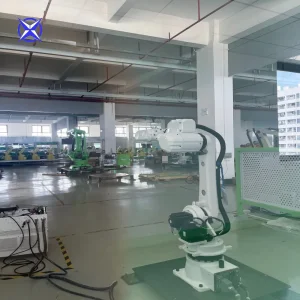
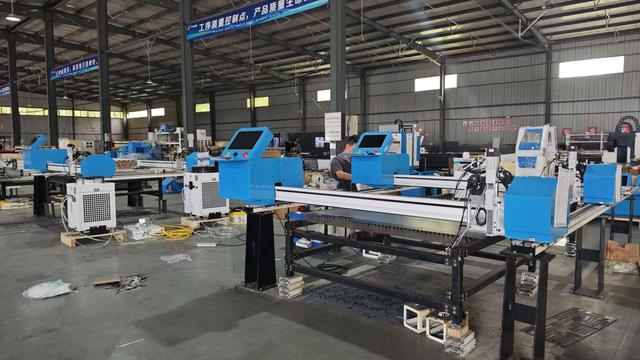
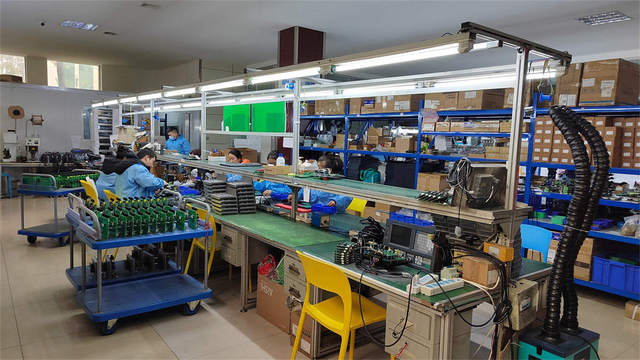
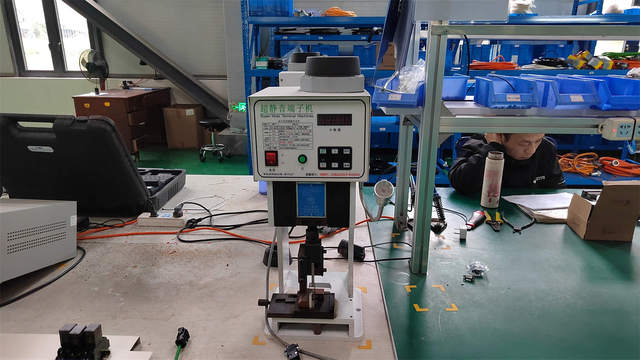
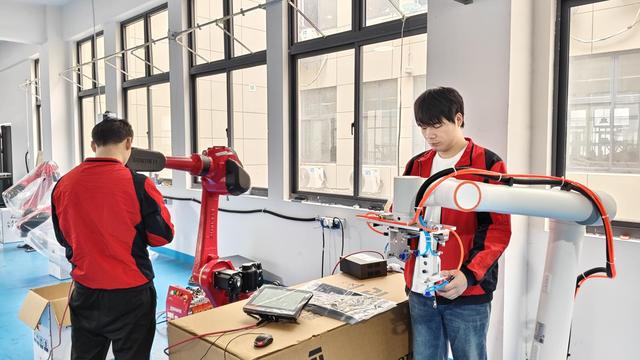
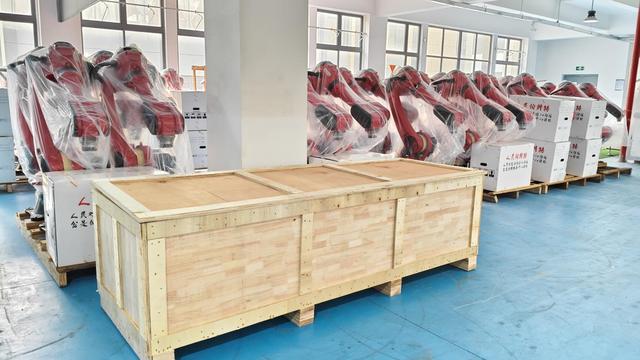
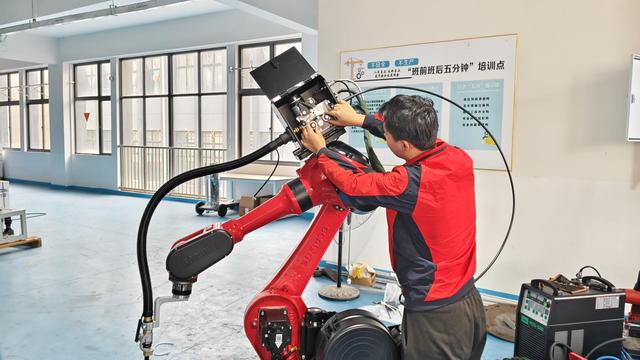
Sandai Robot operates a modern manufacturing facility covering more than 32,000 square meters and employs over 380 experienced engineers, technicians, and production specialists. With 20 automated assembly and testing lines, the company maintains strict quality control procedures throughout design, production, calibration, and final inspection processes. Its annual production capacity exceeds 8,000 industrial robotic welding units, serving customers across automotive manufacturing, metal fabrication, shipbuilding, construction machinery, aerospace components, and heavy industrial equipment sectors.
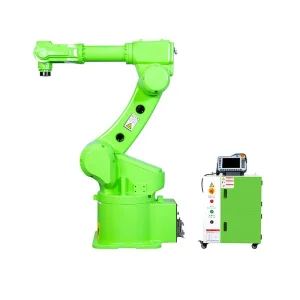
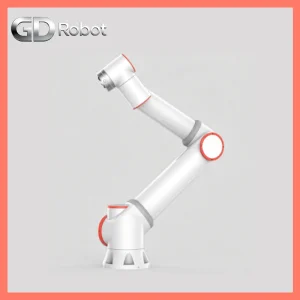
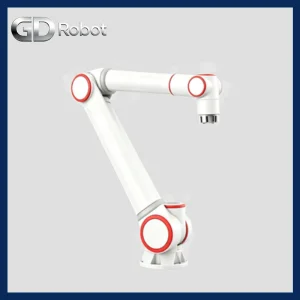
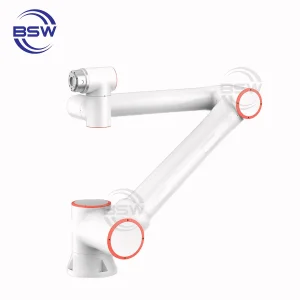
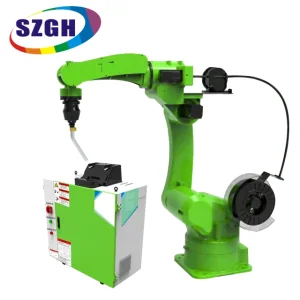
The company’s core product portfolio includes six-axis welding robot arms, collaborative welding robots, laser welding systems, MIG/TIG robotic welding stations, automated welding manipulators, and customized robotic integration solutions. By combining AI visual positioning, servo motion control technology, intelligent path programming, and real-time monitoring systems, Sandai Robot provides high-precision and stable welding performance for complex industrial applications.
Driven by continuous innovation and smart manufacturing development, Sandai Robot invests heavily in robotics research and automation software optimization. The company is committed to helping global manufacturers improve production efficiency, welding consistency, workplace safety, and long-term operational performance through advanced robotic welding technologies and flexible OEM/ODM cooperation services.
Turnkey engineering architectures tailored for automotive, aerospace, and heavy structural industries.
Turnkey multi-robot systems designed for rapid car body assembly. Integrated with master PLC controllers, high-speed spot welding guns, and automatic tip dressers to ensure continuous operation under demanding cycle times.
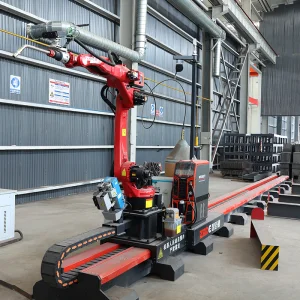
Designed to process structural plates up to 30mm thick. Features heavy-duty robot arms (with payloads exceeding 180kg) configured with advanced seam-tracking systems and heavy weld gun attachments.
Small-to-medium enterprises benefit from pre-engineered cells that house welding positioners, fume extraction hood setups, safety light curtains, and a single controller interface.
Modern factories require comprehensive automation strategies rather than isolated equipment. An integrated workstation must coordinate peripheral components like safety curtains, pneumatic clamping fixtures, tip dressers, and fume extraction systems. For example, in a multi-station automotive assembly layout, robots communicate with a central PLC using Ethernet-based protocols to manage movement paths and prevent collisions within shared workspaces.
Sandai Robot offers end-to-end integration services. Engineering teams collaborate with clients to design customized end-effectors, develop robust system configurations, and run digital simulation files using advanced offline tools before shipping hardware. This extensive pre-engineering stage reduces site commissioning times from weeks to days, helping manufacturers meet production targets faster.
Adhering to international standards and preparing industrial systems for Industry 5.0.
To support global supply chains, exported robotic equipment must comply with regional health, safety, and environmental standards. Standard compliance includes:
The next phase of industrial automation will blend human expertise with AI-driven execution. Future development focuses on:
Technical clarifications for engineers and procurement managers.
Medium Frequency Direct Current (MFDC) power sources operate at higher frequencies (typically 1000Hz or above) compared to standard 50/60Hz AC systems. This allows for faster current control, smaller transformers, lighter weld guns, and a significant reduction in power consumption, resulting in a cleaner and more stable weld nugget.
AI visual systems use 3D sensors and smart algorithms to capture changes in workpiece dimensions and position. By dynamically comparing the actual part with the CAD reference model, the robot automatically adapts its path to compensate for minor positioning errors, eliminating the need for expensive high-precision clamping fixtures.
Yes. The open architecture of Sandai controllers supports integration with major industrial welding power supply brands, including Megmeet, OTC, Fronius, Miller, and Lincoln Electric, allowing you to use existing brand standards within your facility.
We offer comprehensive global export support plans. This includes remote AR-guided troubleshooting, secure VPN-connected remote access, fast shipping on replacement parts, and dedicated field engineering support provided through our regional distribution partners.
High-precision systems optimized for manufacturing and metal processing industries.
 Sandai Robot