As we navigate the complexities of Industry 4.0, the global manufacturing landscape is undergoing a radical transformation. Traditional manual welding, once the backbone of industrial progress, is increasingly being replaced by automated steel welding systems. This shift is driven by the dual pressures of a shrinking skilled labor pool and the relentless demand for higher throughput and sub-millimeter precision.
From the towering skyscrapers in New York to the massive container ships traversing the Suez Canal, the structural integrity of steel depends on the quality of every weld. China, as the world's primary "factory floor," has emerged as a leader in this robotic revolution. Manufacturers like Shenzhen Sandai Robot Co., Ltd. are at the forefront, bridging the gap between high-end AI technology and cost-effective industrial application.
The global industrial robotics market is projected to reach $81.4 billion by 2028, with welding robots accounting for over 40% of installation volume.
Industrialized nations face a deficit of certified welders. Automation provides a scalable solution to maintain productivity without human dependency.
Modern robots collect real-time data from every weld, allowing manufacturers to predict failures and optimize gas/wire usage with AI precision.
Shenzhen Sandai Robot Co., Ltd. is a professional industrial automation enterprise specializing in the development and manufacturing of welding robot arms, robotic welding systems, and intelligent welding automation solutions for global manufacturing industries. Established in 2012 and headquartered in Shenzhen, China, the company integrates advanced robotics technology, precision engineering, software development, and automated production capabilities to deliver reliable and efficient welding solutions worldwide.
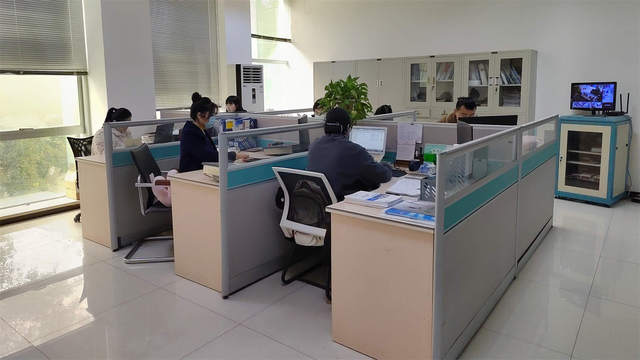
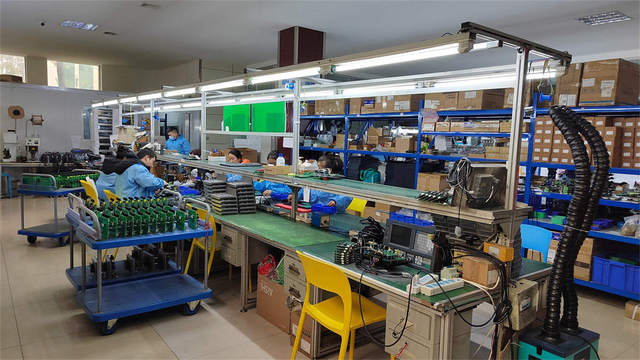
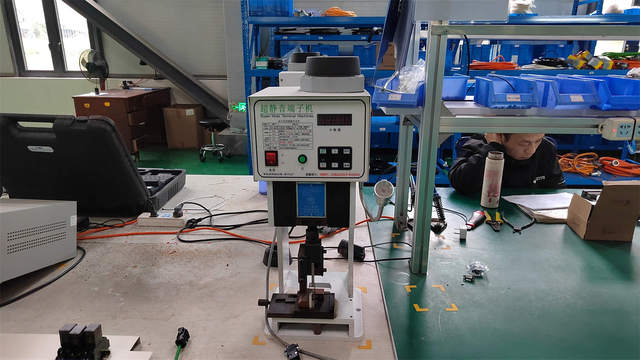
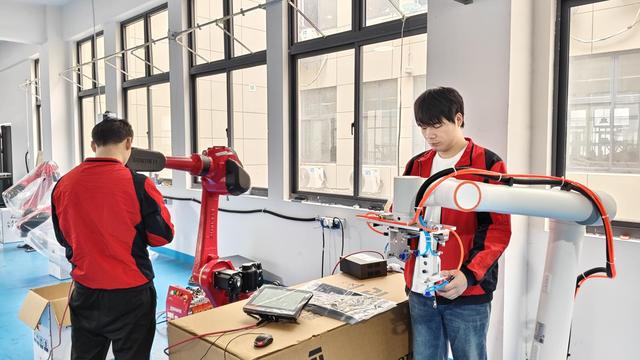
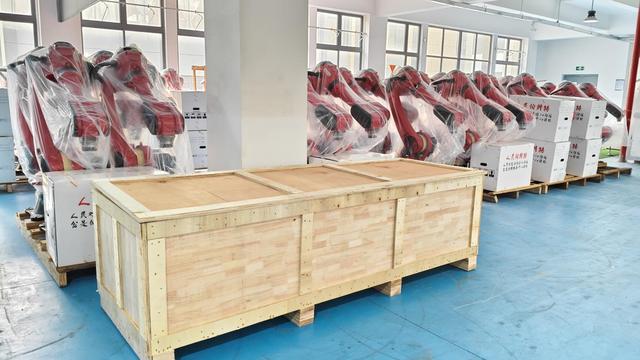
Sandai Robot operates a modern manufacturing facility covering more than 32,000 square meters and employs over 380 experienced engineers, technicians, and production specialists. With 20 automated assembly and testing lines, the company maintains strict quality control procedures throughout design, production, calibration, and final inspection processes. Its annual production capacity exceeds 8,000 industrial robotic welding units, serving customers across automotive manufacturing, metal fabrication, shipbuilding, construction machinery, aerospace components, and heavy industrial equipment sectors.
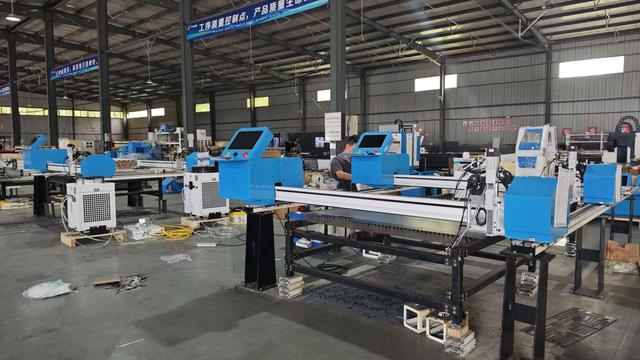
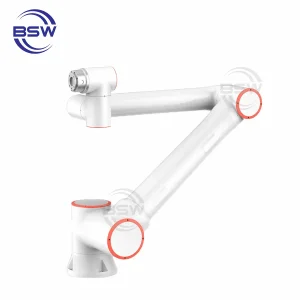
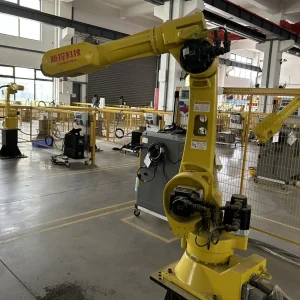
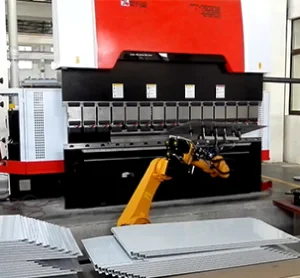
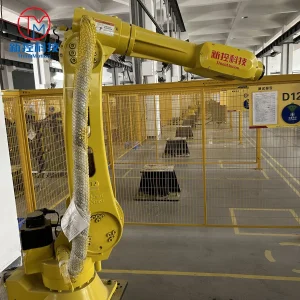
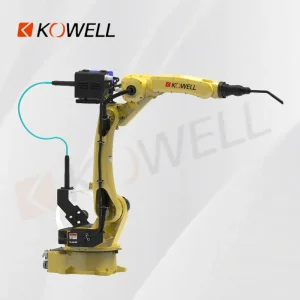
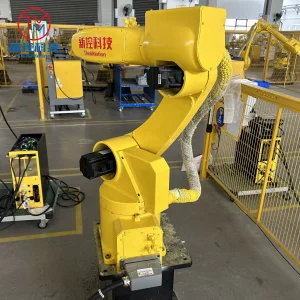
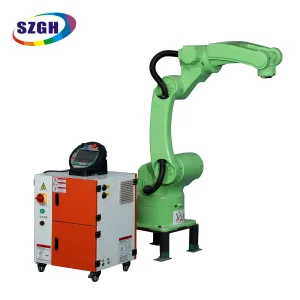
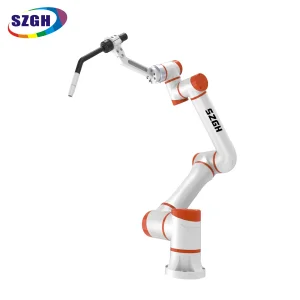
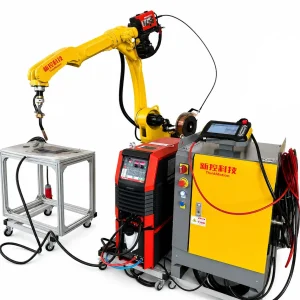
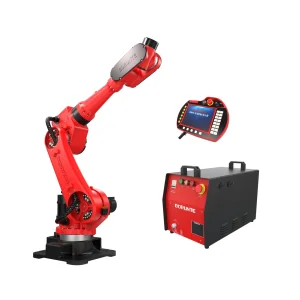
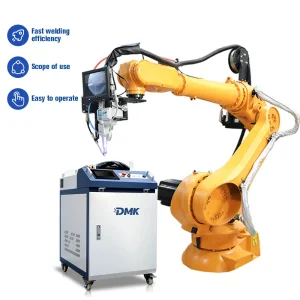
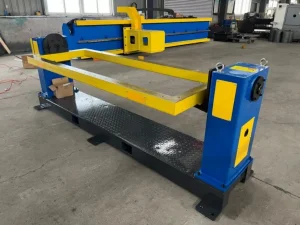
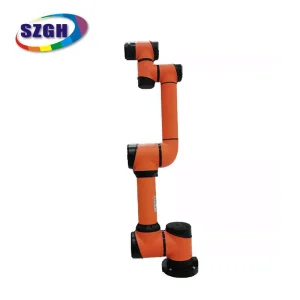
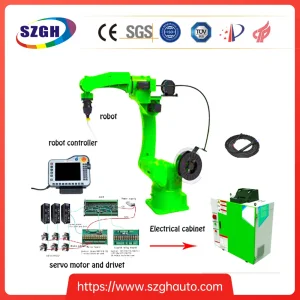
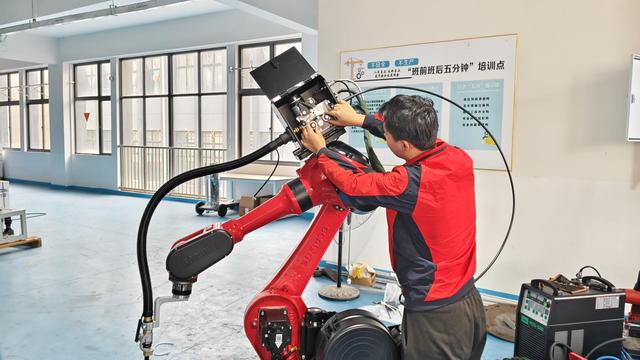
The company’s core product portfolio includes six-axis welding robot arms, collaborative welding robots, laser welding systems, MIG/TIG robotic welding stations, automated welding manipulators, and customized robotic integration solutions. By combining AI visual positioning, servo motion control technology, intelligent path programming, and real-time monitoring systems, Sandai Robot provides high-precision and stable welding performance for complex industrial applications.
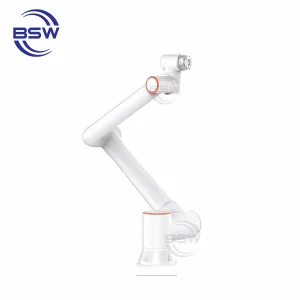
Introduction of the next-generation Cobots (Collaborative Robots) featuring advanced force-torque sensors and intuitive "teach-by-touch" interfaces, allowing human workers to train robots on complex welds in minutes.
Integrating neural networks that analyze the weld pool in real-time. This system will automatically adjust voltage and wire feed speed to compensate for material thickness variations or thermal expansion.
Deployment of 5G-enabled robotic fleets that communicate within a smart factory. Robots will self-diagnose and coordinate tasks with AGVs (Automated Guided Vehicles) for 24/7 dark-factory operations.
Choosing a Chinese wholesale manufacturer like Sandai Robot isn't just about cost—it's about the unparalleled depth of the supply chain. Within a 50km radius of Shenzhen, we have access to high-precision gears, specialized servo motors, and advanced alloy components. This proximity allows for:
In an era of global supply chain volatility, our facility's 20 assembly lines ensure that we maintain lead times that competitors in the West simply cannot match.
All our robotic units are compliant with ISO 10218-1 and ISO 12100 safety standards, ensuring safe human-machine collaboration.
We provide localized technical support and remote diagnostics. Our engineers are available for on-site commissioning and training of your local workforce.
With CE, FCC, and RoHS certifications, Sandai robots are ready for immediate deployment in Europe, North America, and Southeast Asia.
Most manufacturers see a return on investment within 12 to 18 months. This accounts for labor savings, reduced scrap rates due to precision, and increased operational hours (24/7 capability).
A 6-axis robotic arm can achieve complex angles and consistent weld paths that are nearly impossible to maintain manually over an 8-hour shift. This ensures structural uniformity in heavy-duty steel applications.
Yes. Our systems support common industrial bus protocols (EtherCAT, Modbus, Profinet) and can be easily synchronized with existing PLC systems and conveyors.
Absolutely. With over 380 engineers, we specialize in customized end-effectors and software programming for niche sectors like aerospace, energy, and specialized automotive parts.
 Sandai Robot