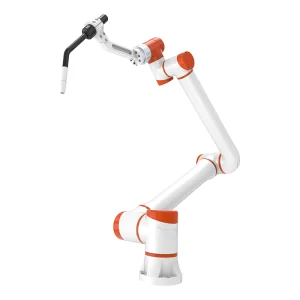
Innovative technology designed for maximum efficiency and superior weld quality.
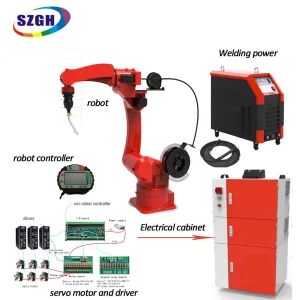
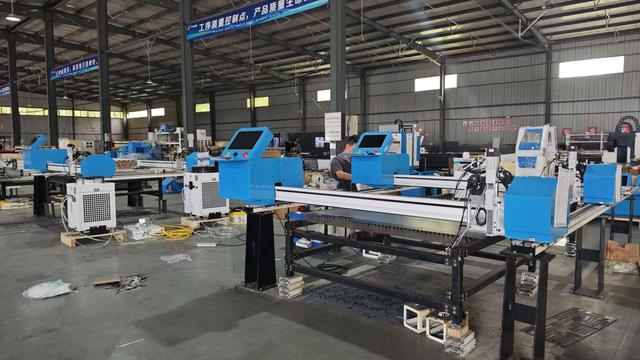
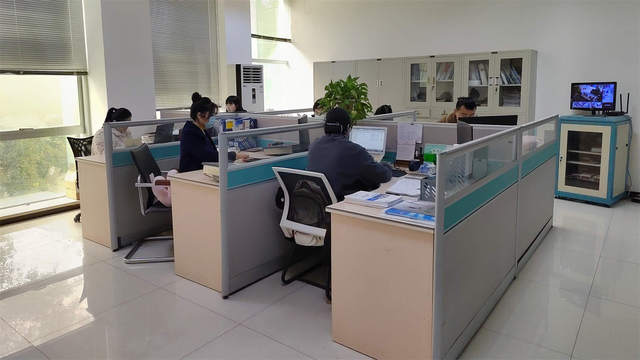
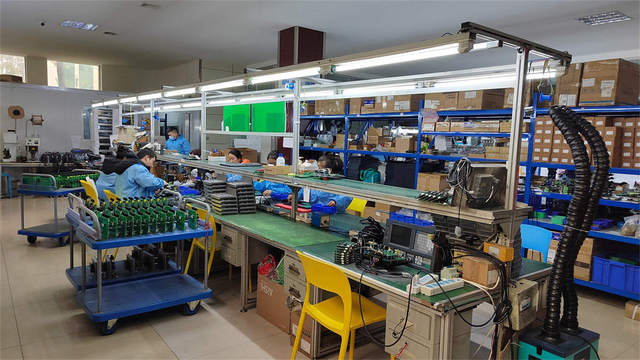
Shenzhen Sandai Robot Co., Ltd. is a professional industrial automation enterprise specializing in the development and manufacturing of welding robot arms, robotic welding systems, and intelligent welding automation solutions for global manufacturing industries. Established in 2012 and headquartered in Shenzhen, China, the company integrates advanced robotics technology, precision engineering, software development, and automated production capabilities to deliver reliable and efficient welding solutions worldwide.
Our commitment to E-E-A-T (Experience, Expertise, Authoritativeness, and Trustworthiness) is reflected in our robust infrastructure and veteran engineering team. By leveraging the unique advantages of the Shenzhen electronics and mechanical ecosystem, we provide information gain through custom-engineered algorithms and hardware that traditional manufacturers often overlook.
Located in the heart of the global "Silicon Valley of Hardware," Sandai Robot benefits from a complete supply chain within a 50km radius. This ensures faster procurement of premium components, from high-precision harmonic reducers to advanced servo controllers, reducing lead times by up to 40% compared to Western competitors.
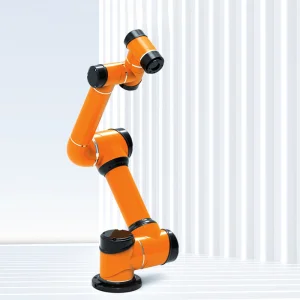
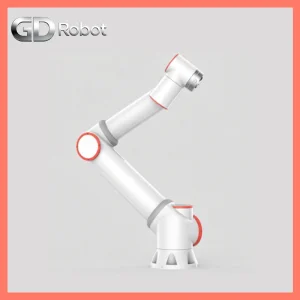
Chinese collaborative robots (Cobots) offer world-class precision and durability at a significant price advantage. This is not due to lower quality, but optimized manufacturing efficiency and high-volume production, allowing global SMEs to achieve ROI in less than 12 months.
Unlike rigid global conglomerates, Chinese manufacturers like Sandai prioritize flexibility. Whether you need specialized end-effectors for TIG welding or custom software interfaces for unique ERP systems, our team provides tailored solutions that fit your specific factory floor layout.
The global welding robot market is undergoing a seismic shift from traditional industrial cages to Human-Robot Collaboration (HRC). Collaborative robots are no longer just "slower robots"; they are intelligent partners equipped with force-feedback sensors and AI-driven vision systems.
Modern cobots use 3D laser vision to "see" the workpiece. This eliminates the need for expensive, high-precision fixtures. The robot can detect deviations in the weld seam in real-time and adjust its trajectory—an essential "Information Gain" feature for high-mix, low-volume production environments.
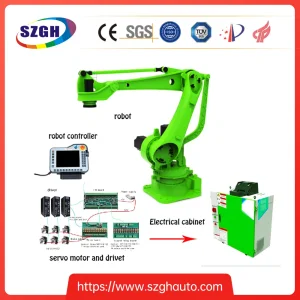
Newer servo-driven systems, like the Sandai 260W Industrial Cobot, are optimized for low power consumption. By reducing idle energy waste and optimizing motion profiles, factories can lower their carbon footprint while maintaining 24/7 productivity.
Safety is the cornerstone of collaborative welding. Our robots feature multi-layered collision detection systems. If the arm touches a human worker, it stops instantly (millisecond response), allowing robots and humans to share the same workspace without safety fences.
From battery tray welding to intricate body-in-white spot welding, our cobots provide the precision required for lightweight materials like aluminum and high-strength steel. The high-power laser welding arms are specifically designed for the rapid cycle times of EV production lines.
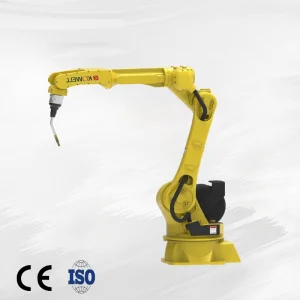
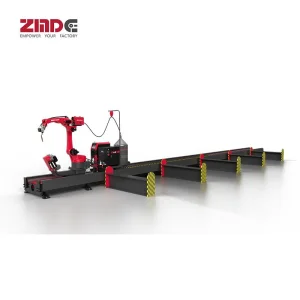
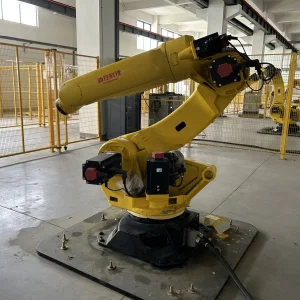
Handling heavy payloads and large-scale welding tasks is traditionally labor-intensive. Our automated heavy-duty welding industrial robotic arms and manipulators bring consistency to massive structures, ensuring structural integrity in vessels and construction equipment.
Small shops often struggle with a shortage of skilled welders. Collaborative robots allow a single welder to oversee three or four welding stations simultaneously. The "Lead-through programming" feature means a non-programmer can teach the robot a new weld path in minutes.
For international buyers, sourcing a welding robot manufacturer requires a deep dive into more than just price. Here is a checklist based on Google's Search Quality standards for reliability:
 Sandai Robot