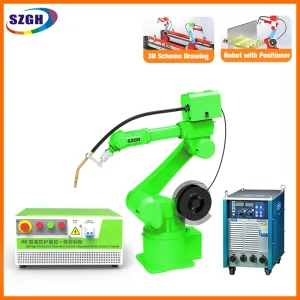
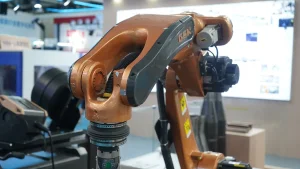
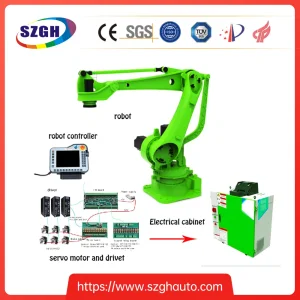
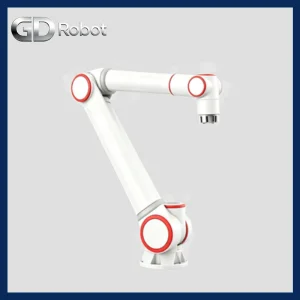
High-efficiency robotic arms engineered for versatile industrial applications.
The global manufacturing sector is facing an unprecedented shortage of skilled welders. As the aging workforce retires, compact welding solutions provide a scalable answer, allowing factories to maintain output quality while reducing dependency on manual labor.
Modern welding is no longer just about joining metal; it's about data. Our systems integrate seamlessly with MES and ERP platforms, providing real-time telemetry on weld integrity, gas consumption, and cycle times for total production transparency.
Robotic welding minimizes filler metal waste and optimizes energy consumption. By reducing "arc-on" time through intelligent pathing, our compact solutions help manufacturers meet carbon footprint reduction targets without sacrificing speed.
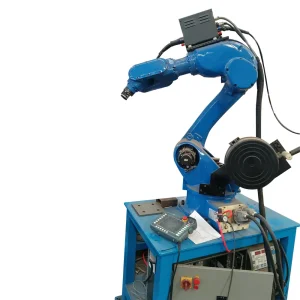
At Shenzhen Sandai Robot Co., Ltd., we are moving beyond simple kinematics. Our technical roadmap focuses on the convergence of Sensory Perception and Autonomous Decision Making. The current generation of our compact welding units utilizes AI visual positioning to adapt to part deviations in real-time, effectively eliminating the need for expensive, high-tolerance fixturing.
Implementation of high-resolution absolute encoders and vibration suppression algorithms for ultra-smooth motion during TIG/MIG processes.
Integration of deep-learning based weld pool monitoring. The robot "sees" the weld quality and adjusts voltage/wire-speed parameters mid-weld.
5G-enabled remote monitoring and digital twin synchronization for fleet management across multiple global factory sites.
Tailoring automation to regional manufacturing strengths.
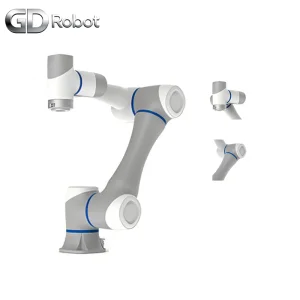
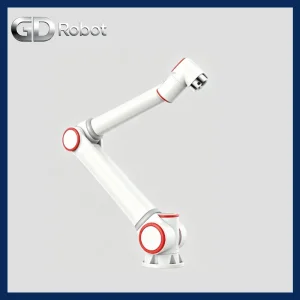
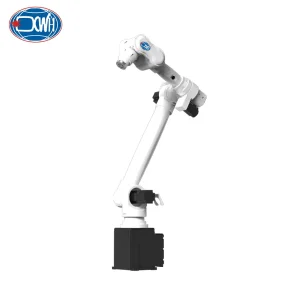
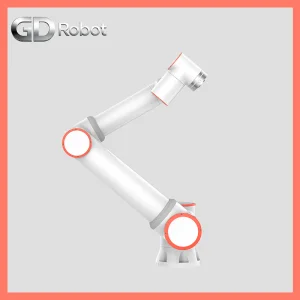
In high-speed production lines, our Gd20 High Payload Collaborative Robot Arm is used for spot welding and structural reinforcement where space is at a premium.
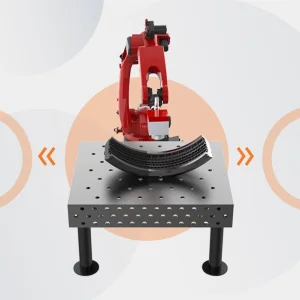
Precision is paramount. Our 6-axis CNC arms handle intricate laser welding of battery casings and PCB shielding with sub-millimeter accuracy.
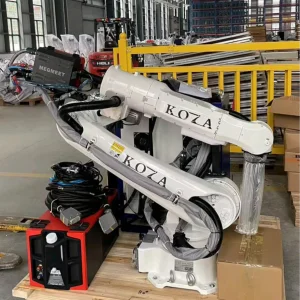
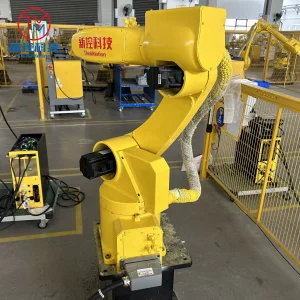
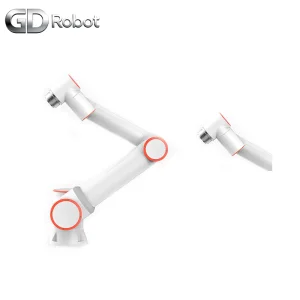
Using the Gd30 High-Capacity Robot Arm for multi-pass thick plate welding in construction equipment manufacturing, ensuring structural safety and long-term durability.
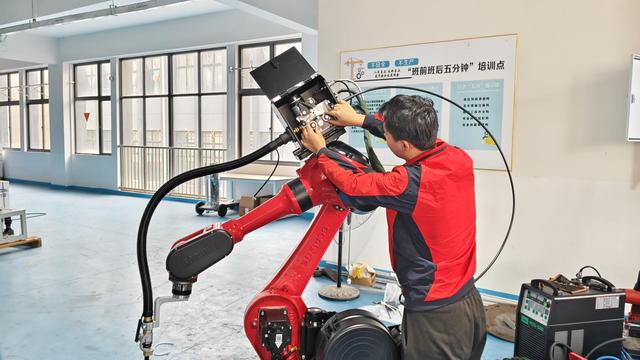
Shenzhen Sandai Robot Co., Ltd. is a professional industrial automation enterprise specializing in the development and manufacturing of welding robot arms, robotic welding systems, and intelligent welding automation solutions for global manufacturing industries. Established in 2012 and headquartered in Shenzhen, China, the company integrates advanced robotics technology, precision engineering, software development, and automated production capabilities to deliver reliable and efficient welding solutions worldwide.
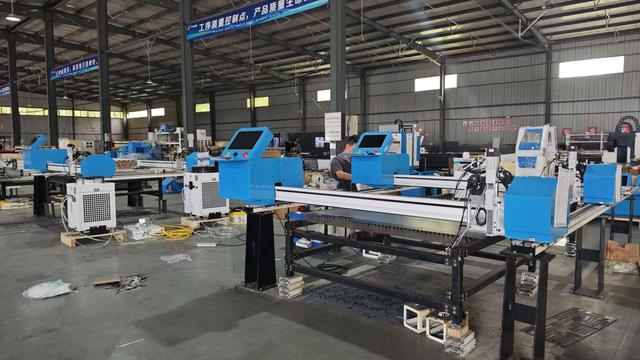
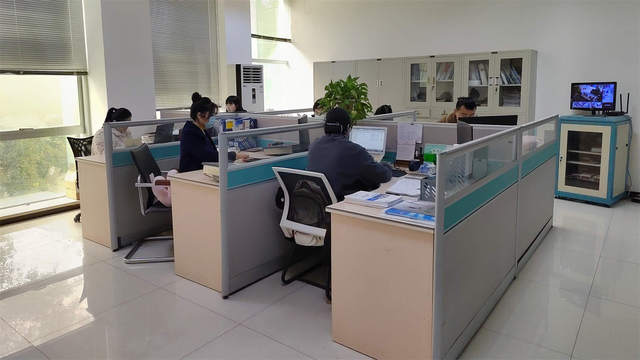
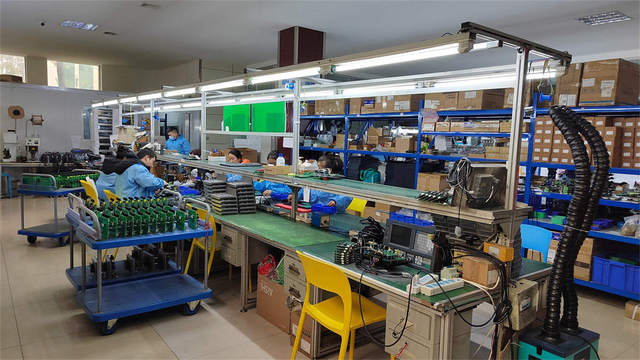
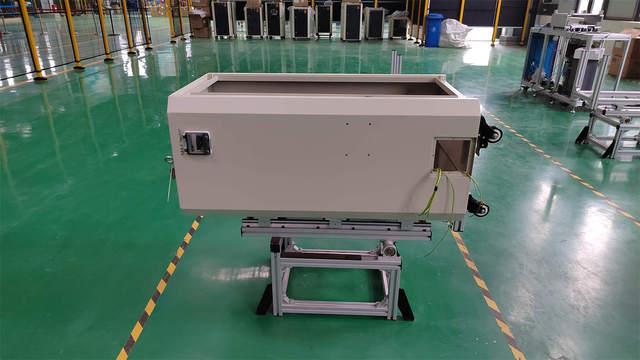
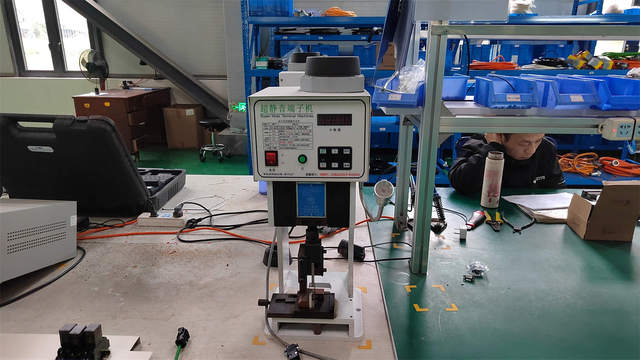
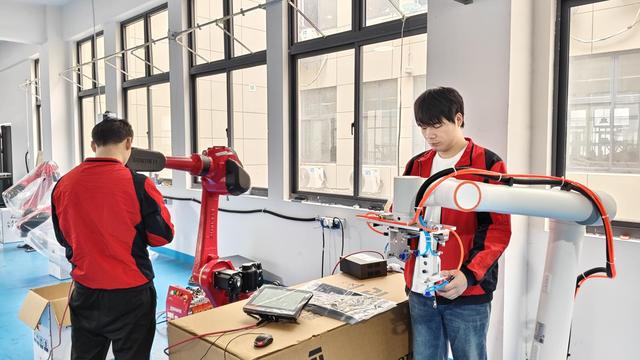
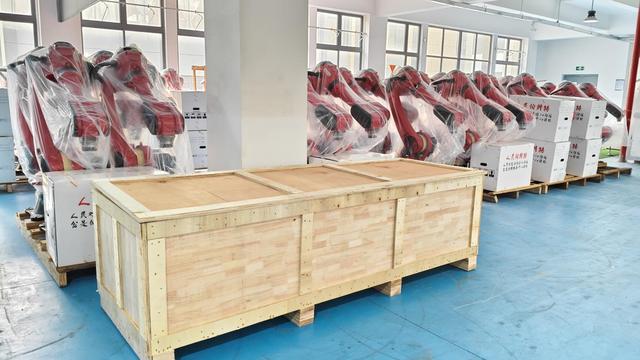
Sandai Robot operates a modern manufacturing facility covering more than 32,000 square meters and employs over 380 experienced engineers, technicians, and production specialists. With 20 automated assembly and testing lines, the company maintains strict quality control procedures throughout design, production, calibration, and final inspection processes. Its annual production capacity exceeds 8,000 industrial robotic welding units.
By combining AI visual positioning, servo motion control technology, intelligent path programming, and real-time monitoring systems, Sandai Robot provides high-precision and stable welding performance for complex industrial applications.
With proper maintenance (lubrication and periodic calibration), our industrial-grade robots have a design life of 10-15 years, often exceeding 30,000 operational hours before major component overhauls.
Yes. Our articulated arms are designed to be "torch-agnostic." You can swap between MIG, TIG, Laser, and Plasma welding power sources depending on your production needs.
We offer "Friendly Programming" interfaces. Users can either utilize the teach pendant for point-to-point teaching or use offline programming software (OLP) to import CAD models and generate paths automatically.
Sandai Robot works with authorized distributors and integrators in over 40 countries to provide on-site installation, training, and emergency spare parts support.
Our collaborative models (Cobots) include power and force limiting sensors. If the robot detects an unexpected contact, it stops instantly (Category 0 stop) to ensure human operator safety.
Absolutely. We offer an optional AI Vision module that inspects bead width, penetration indicators, and porosity in real-time, flagging defects for immediate rework.
 Sandai Robot