Deploying flagship 6-axis dynamic robotic manipulators designed specifically for modern aluminum metal fabrication, high heat dissipation control, and zero-defect seam integrity.
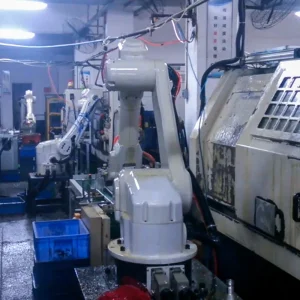
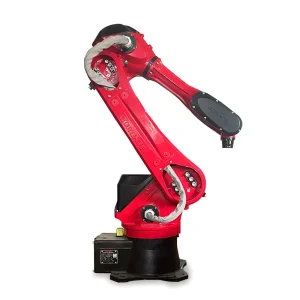
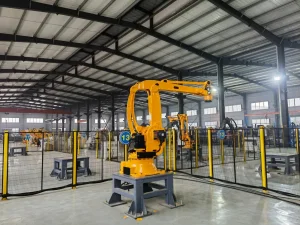
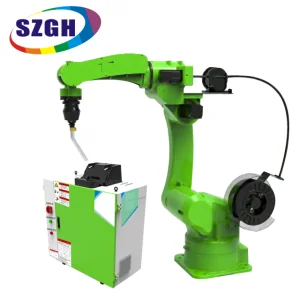
The Greater Belgrade metropolitan region—stretching along the strategic Danube-Sava industrial corridor into Pančevo, Zrenjanin, and the broader Šumadija and Vojvodina industrial zones—is currently undergoing a historic industrial modernizing wave. As Serbia consolidates its role as Southeastern Europe’s prime automotive, mobility, and heavy machinery manufacturing cluster, local plants face growing global competition. High-precision aluminum welding robot arms have shifted from a luxury asset to an operational necessity for regional manufacturers aiming to meet ISO, CE, and European OEM standards.
Belgrade’s strategic free trade zones and proximity to the EU market have attracted substantial FDI across automotive component fabrication, specialized rolling stock, HVAC structural equipment, and architectural aluminum framing. However, regional manufacturers report significant shortages of certified EN ISO 9606-2 aluminum welding specialists. The cost of labor is rising concurrently with stringent quality expectations from Western European off-takers.
Integrating robotic automation provides Serbian factories with immediate structural advantages:
Aluminum’s physical properties present severe engineering hurdles for traditional production lines in Belgrade. Sandai Robot’s 6-axis industrial arms incorporate state-of-the-art Motion Control algorithms, push-pull wire feeding systems, and specialized AC/DC TIG or double-pulse MIG welding power sources that specifically resolve:
| Metallurgical Challenge | Manual / Legacy Welding Outcome | Sandai Robotic Solution Technical Impact |
|---|---|---|
| Refractory Oxide Layer ($Al_2O_3$) | Incomplete cleaning, tungsten inclusion, lack of fusion. | High-frequency AC balance dynamic control automatically strips oxide films without overheating base metal. |
| High Thermal Expansion Rate | Severe thermal warping, angular distortion of assemblies. | Synchronized motion trajectory maintaining optimal travel speed (up to 1200 mm/min) to control net heat input. |
| Hydrogen Porosity Formation | Sub-surface voids leading to structural fatigue failures. | Synergic pulse parameters & controlled shielding gas coverage prevent atmospheric gas entrapment. |
| Burn-Through on Thin Sheets (< 2.0 mm) | High scrap rates, costly manual grinding and rework. | Cold Metal Transfer (CMT) short-circuit waveform technology reduces heat input to minimal thresholds. |
A premier manufacturer and exporter of automated industrial robotics, powering factories across Europe, Asia, and the Americas with specialized aluminum welding technological superiority.
Shenzhen Sandai Robot Co., Ltd. is a professional industrial automation enterprise specializing in the development and manufacturing of welding robot arms, robotic welding systems, and intelligent welding automation solutions for global manufacturing industries. Established in 2012 and headquartered in Shenzhen, China, the company integrates advanced robotics technology, precision engineering, software development, and automated production capabilities to deliver reliable and efficient welding solutions worldwide.
Sandai Robot operates a modern manufacturing facility covering more than 32,000 square meters and employs over 380 experienced engineers, technicians, and production specialists. With 20 automated assembly and testing lines, the company maintains strict quality control procedures throughout design, production, calibration, and final inspection processes. Its annual production capacity exceeds 8,000 industrial robotic welding units, serving customers across automotive manufacturing, metal fabrication, shipbuilding, construction machinery, aerospace components, and heavy industrial equipment sectors.
The company’s core product portfolio includes six-axis welding robot arms, collaborative welding robots, laser welding systems, MIG/TIG robotic welding stations, automated welding manipulators, and customized robotic integration solutions. By combining AI visual positioning, servo motion control technology, intelligent path programming, and real-time monitoring systems, Sandai Robot provides high-precision and stable welding performance for complex industrial applications.
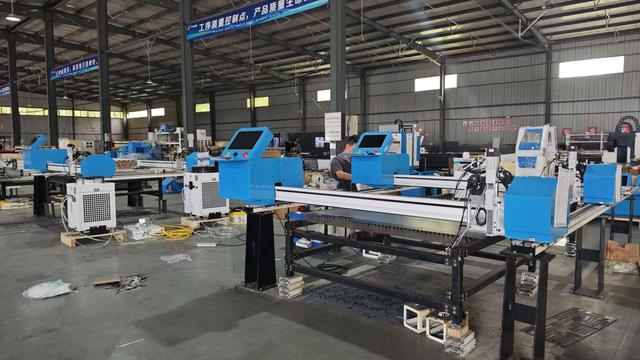
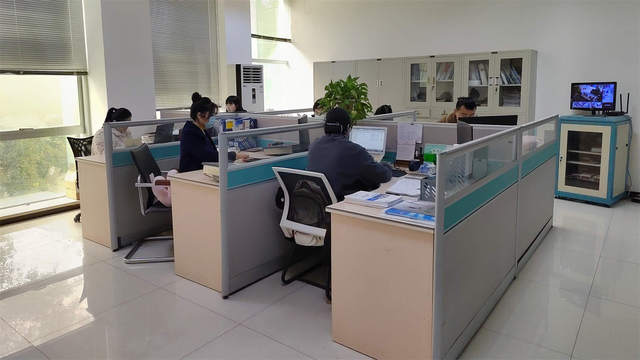
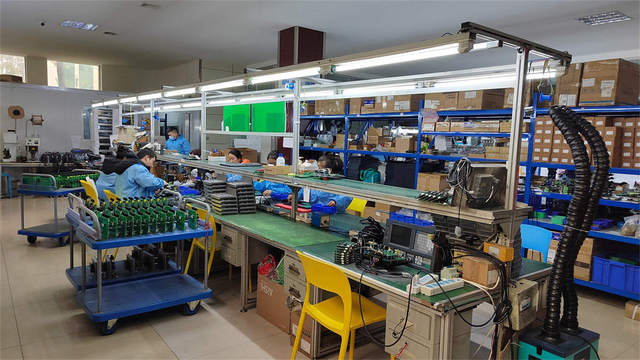
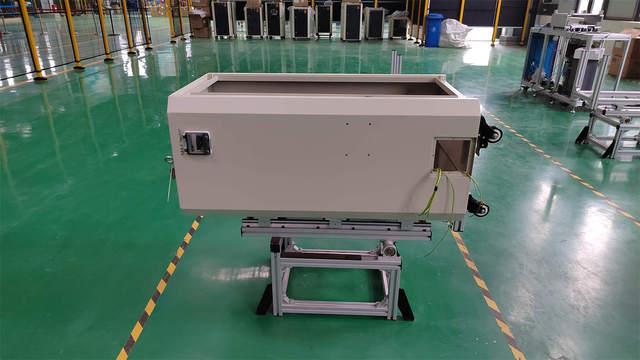
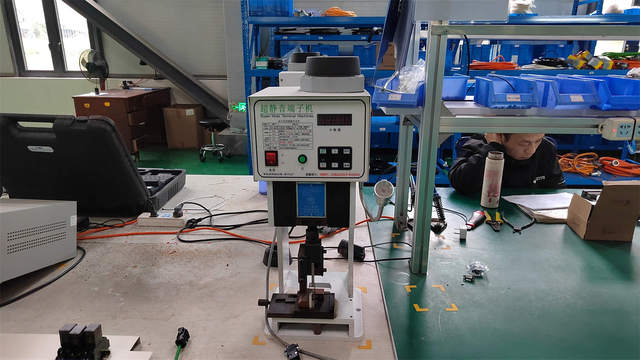
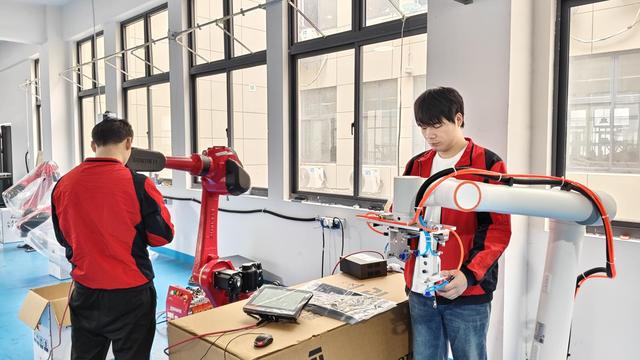
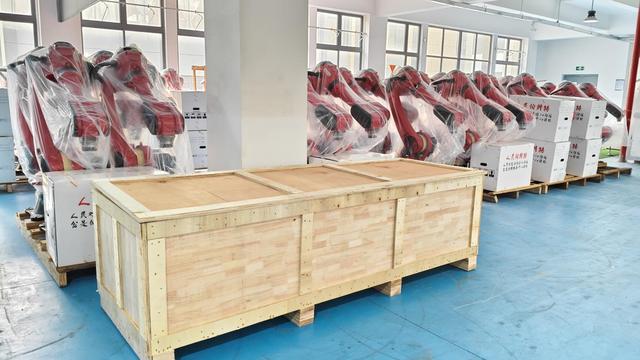
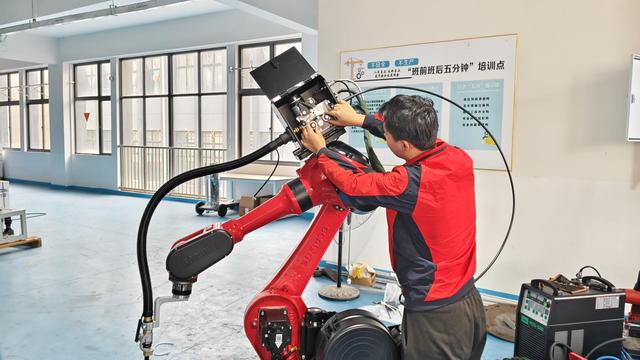
From automotive tier-1 supply chains to specialized structural aluminum manufacturing, our robotic arms integrate seamlessly into existing Serbian production lines.
Automotive tier suppliers in the Kragujevac-Belgrade cluster utilize Sandai 6-axis arms equipped with CMT welding torches to join thin-walled aluminum battery frames without thermal warpage, guaranteeing IP67 airtight enclosure sealing.
High-speed rail projects connecting Belgrade and neighboring European capitals demand lightweight structural extrusions. Sandai long-reach (up to 2015 mm radius) welding arms execute multi-pass structural welds with zero void formation.
Fabricating aluminum heat exchange manifolds requires micro-welding precision. Our 3-axis external positioner integration synchronizes with the robot arm, enabling 360-degree continuous circular seam welding.
Select from our specialized portfolio of CNC, laser, MIG, TIG, and collaborative robotic welding workstations exported directly to Serbian manufacturing facilities.
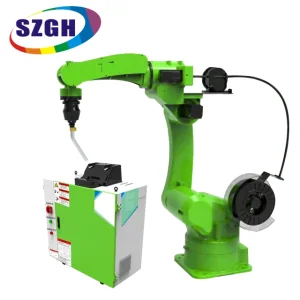
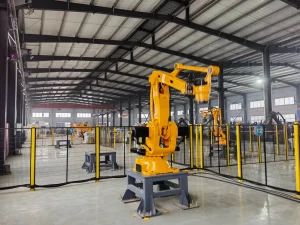
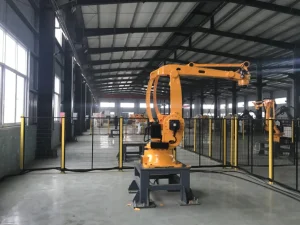
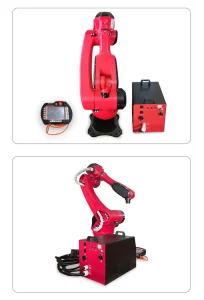
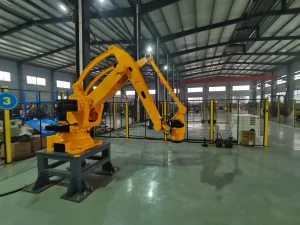
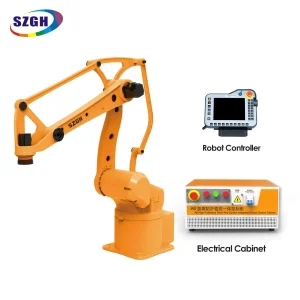
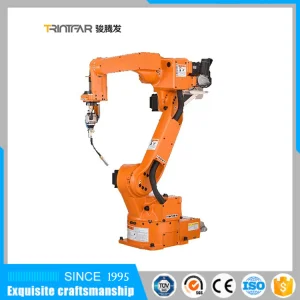
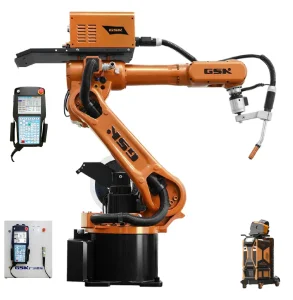
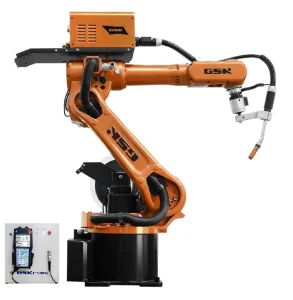
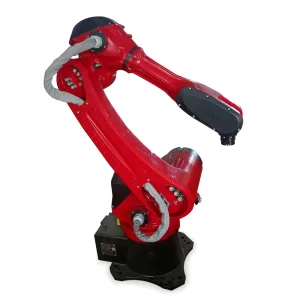
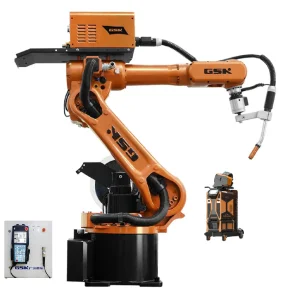
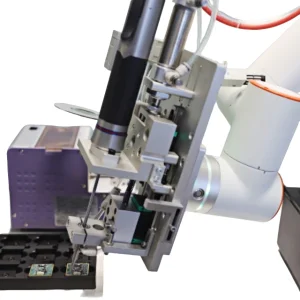
Purchasing robotic welding arms from a direct OEM manufacturer in Shenzhen offers massive strategic advantages to Serbian metal fabricators compared to European distributor markups or unspecialized local system integrators.
By eliminating multiple tiers of European trading agents, Sandai Robot supplies industrial-grade 6-axis arms at a fraction of Western European OEM pricing, while incorporating identical global-standard hardware components: Japanese Harmonic Drive / RV Reducers, Panasonic / Yaskawa Servo Motors, and High-Flex Robot Cables engineered for over 10 million flex cycles.
Belgrade’s direct rail and maritime connections (via Piraeus Port and the China-Europe Railway Express) allow Sandai Robot to dispatch complete customized workstations to Serbia with streamlined customs procedures, delivering fully assembled robotic cells in 25–35 days.
We do not just ship robot arms. Our engineering team designs custom end-effectors, push-pull aluminum torches, integrated laser seam tracking software, and multi-axis positioning tables calibrated to your exact CAD/CAM drawings ($STEP / .IGES format).
| Evaluation Parameter | Traditional European System Integrator | Sandai Robot OEM Export Model |
|---|---|---|
| Capital Outlay (CAPEX) | High ($90,000 - $140,000 per cell) | Optimized Direct OEM ($25,000 - $45,000 complete) |
| Payload & Reach Flexibility | Fixed Standard Models | Custom Arm Lengths & Mounting (Inverted, Gantry, Floor) |
| Software & API Access | Restricted Proprietary Licenses | Open Industrial EtherCAT / CANopen Protocols |
| Lead Time to Belgrade | 16 – 24 Weeks | 4 – 6 Weeks Direct Express Shipment |
Addressing engineering, operational, and procurement queries regarding aluminum robotic welding system deployment in Serbia.
Aluminum has high thermal conductivity and a low melting temperature (approx. 660°C). Standard steel welding robots moving at fixed speeds frequently cause melt-through or severe thermal distortion. Sandai’s specialized aluminum welding robot arms incorporate synergic pulse MIG/TIG wave control, dynamic feed-back push-pull torches, and precise travel speed motion algorithms that continuously adapt heat input based on seam depth and temperature buildup.
Yes. All Sandai industrial robotic arms exported to Belgrade and the broader European market carry full CE certifications, compliant with EU Machinery Directive 2006/42/EC, ISO 10218-1 (Robots and Robotic Devices Safety), and EN 60204-1 electrical safety standards.
We provide remote engineering assistance, real-time diagnostic software access, and comprehensive video/cad installation guides. Additionally, key wear-and-tear parts (torch consumables, wire feed rollers, cable harnesses) are shipped via express courier (DHL/FedEx) directly to Belgrade within 3–5 business days. On-site commissioning support by regional technical partners can also be arranged.
Absolute compatibility. Sandai robot controllers support standard industrial communication protocols including DeviceNet, EtherNet/IP, Profinet, and analog/digital interfaces. They integrate effortlessly with all major European power source manufacturers, including Fronius TPS/i, Megmeet, Kemppi, and Miller welding digital power supplies.
Based on current labor rates in Serbia and average productivity gains (300% output increase with a 98.5% first-pass defect-free rate), most industrial clients achieve complete ROI payback within 8 to 14 months of commissioning.
Contact our senior automation engineers today for custom CAD simulation, technical feasibility analysis, and direct factory quotation tailored to your production requirements.
Send Inquiry Now Sandai Robot