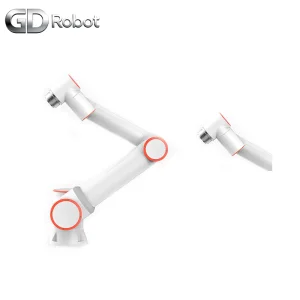
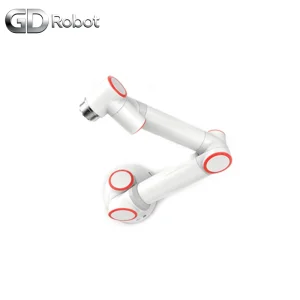
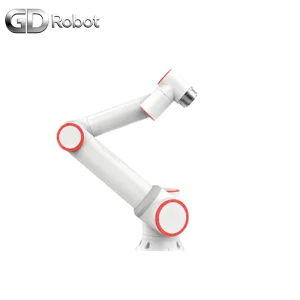
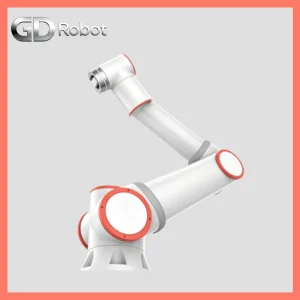
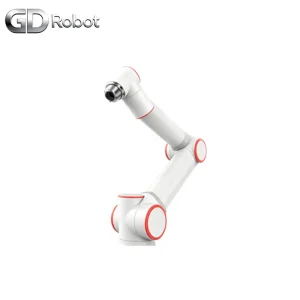
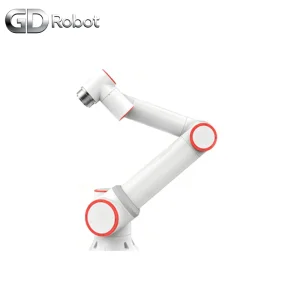
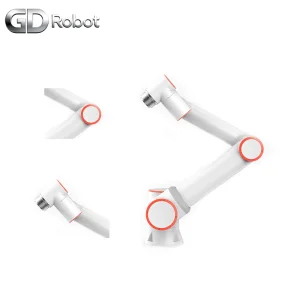
1As Japan navigates the complexities of Society 5.0, the manufacturing sector (Monozukuri) faces a critical inflection point. The intersection of an aging workforce and the increasing demand for high-mix, low-volume production has made traditional robotic systems obsolete. Shenzhen Sandai Robot Co., Ltd. addresses this gap by exporting advanced Intelligent AI Welding Arms specifically engineered to meet the stringent precision and safety requirements of the Japanese market.
The Japanese market, particularly in hubs like Aichi, Kanagawa, and Saitama, is synonymous with "Zero Defect" manufacturing. However, the scarcity of skilled welders (Ginou-sha) has led to a 35% increase in automation adoption rates in the last three years. Our AI-driven arms provide more than just movement; they offer Cognitive Welding. Utilizing deep learning algorithms, our systems can detect variations in joint gaps and adjust heat input in real-time, replicating the intuition of a master Japanese welder.
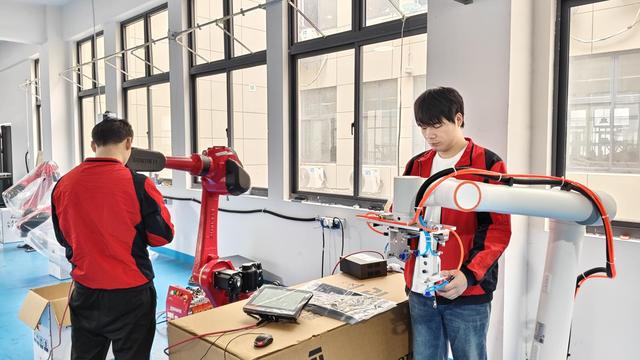
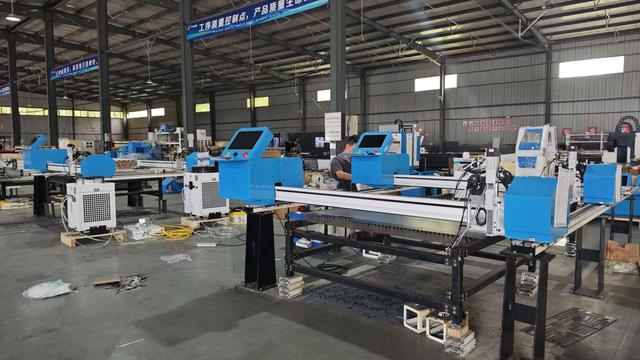
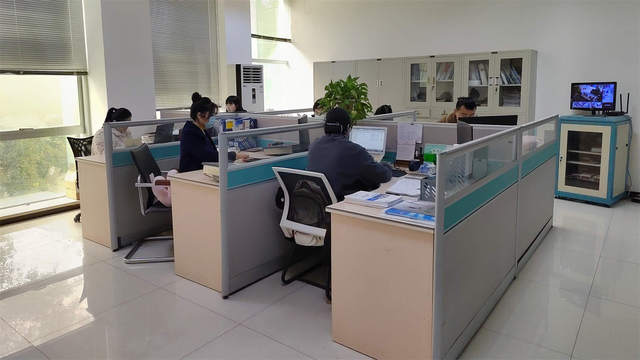
Shenzhen Sandai Robot Co., Ltd. is not just a manufacturer; we are a global leader in Robotic Welding Integration. Since our inception in 2012, we have focused on the convergence of hardware precision and software intelligence. Our 32,000 sqm facility in Shenzhen acts as the heart of our operations, leveraging the world's most efficient electronics and mechanical supply chain.
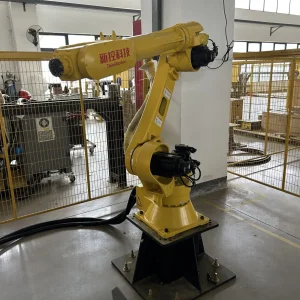
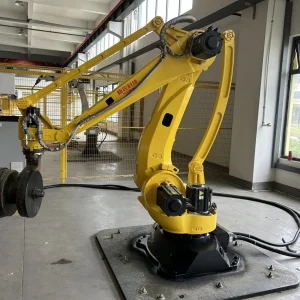
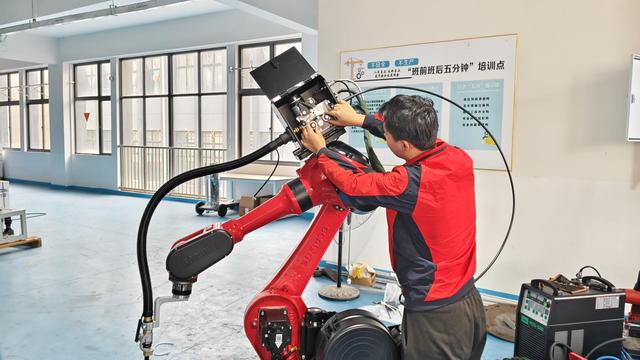
Unlike standard industrial robots that rely on pre-programmed paths, our AI Welding Arms utilize Adaptive Arc Control (AAC) and Structured Light Vision Systems. This means the robot "sees" the weld seam and corrects its trajectory 100 times per second. For Japanese exporters, this translates to a 40% reduction in post-weld rework and a significant increase in OEE (Overall Equipment Effectiveness).
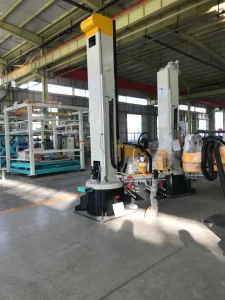
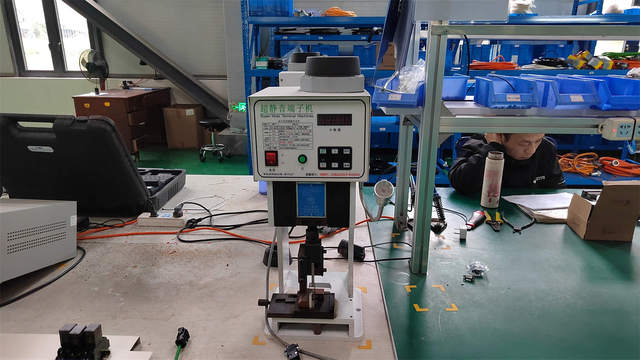
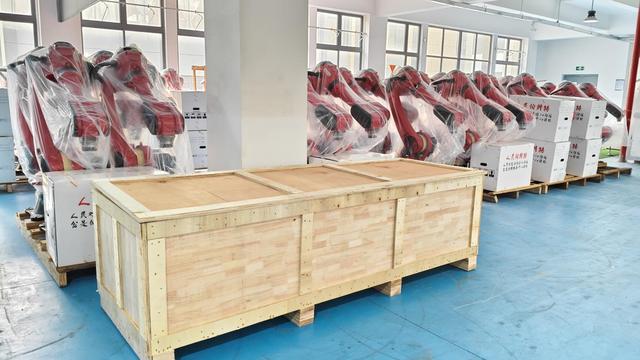
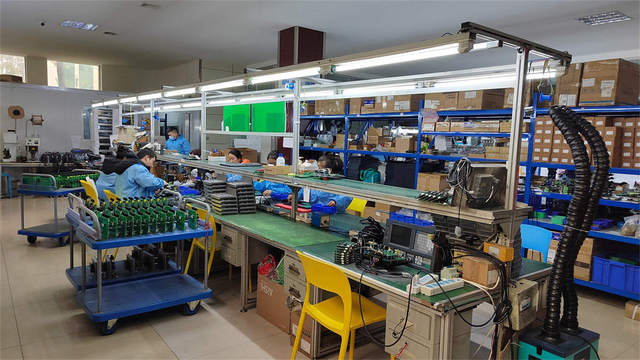
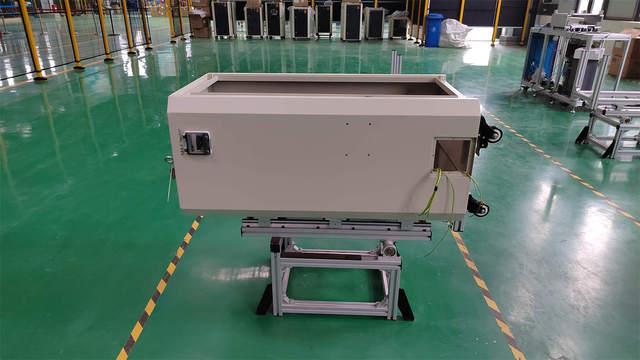
Our supply chain resilience is rooted in our 20+ automated assembly lines. We control the core technology—from the servo drive tuning to the kinematic calibration algorithms. This vertical integration allows us to provide Japan-based clients with guaranteed spare parts availability and rapid OEM/ODM customization that competitors cannot match.
As we move toward 2030, our R&D roadmap focuses on three pillars of innovation specifically curated for the Japan-China industrial corridor:
Moving beyond cloud reliance, our next generation of arms will feature Edge-AI chips capable of processing terabytes of sensor data locally, ensuring ultra-low latency which is critical for high-speed laser welding applications in the semiconductor equipment industry.
We are developing localized software that mirrors the physical welding arm in a virtual environment. Japanese engineers can simulate entire production cycles, optimizing for energy efficiency and cycle time before a single spark is ever struck.
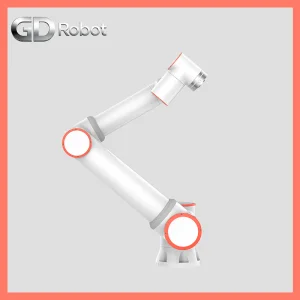
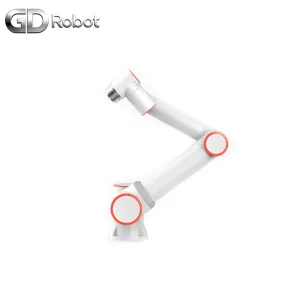
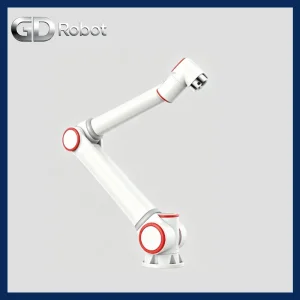
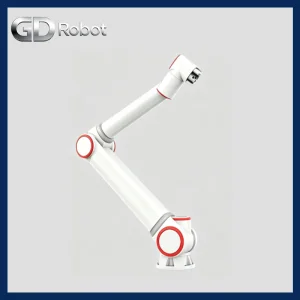
Reducing the carbon footprint of manufacturing is a priority in Japan. Our GD series robots are optimized for low noise and 20% lower energy consumption compared to traditional 6-axis systems, aligning with Japan's Net Zero goals.
Ready to upgrade your Japanese facility with AI-powered efficiency?
Request a Quote for Your Japan Project Sandai Robot