Precision-engineered robotic solutions for high-performance manufacturing.
The global welding systems integration market is undergoing a seismic shift. In 2024, the demand for high-precision, automated welding has transitioned from a luxury of large-scale automotive manufacturers to a survival necessity for Small and Medium Enterprises (SMEs). With the global skilled labor shortage in welding reaching critical levels—estimated at a deficit of 400,000 workers in the US alone by 2027—robotic integration is the only viable path forward.
Modern Welding Systems Integration is no longer just about mounting a torch on a robot arm; it is about the seamless confluence of sensor technology, Artificial Intelligence, and real-time data feedback. As a leading manufacturer and supplier, we are seeing a massive uptick in requests for "turn-key" cells that can handle high-mix, low-volume production cycles through rapid re-programming and AI-assisted vision systems.
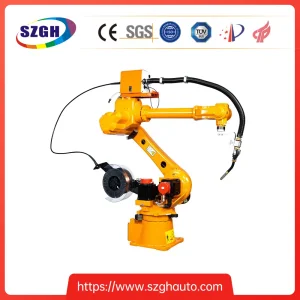
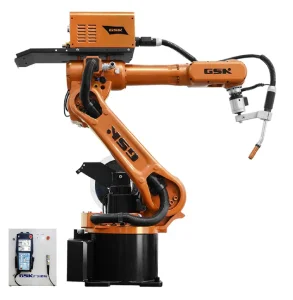
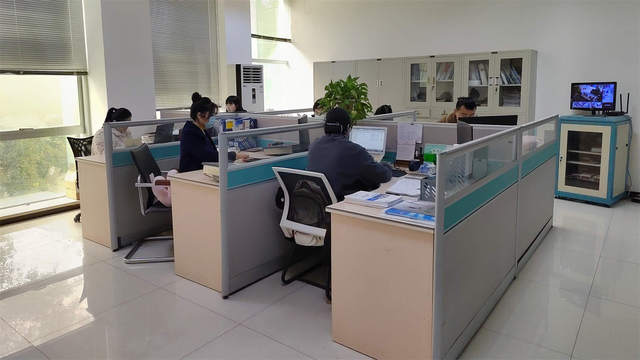
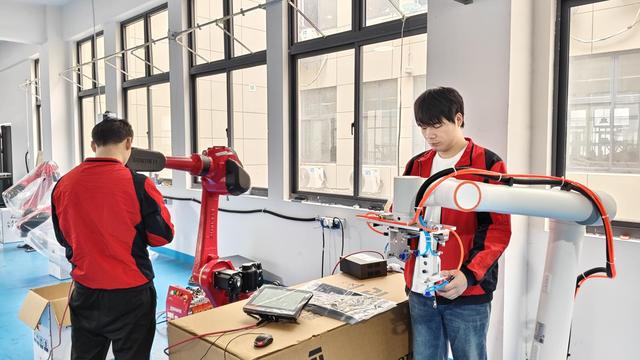
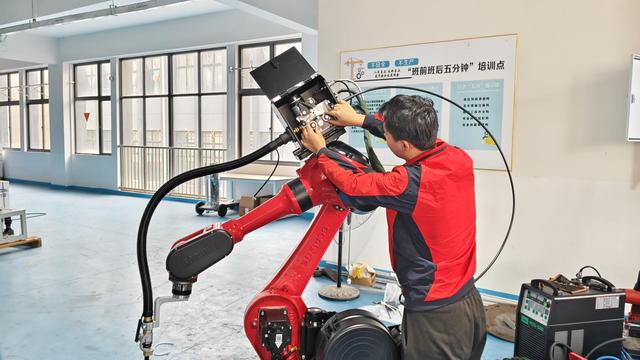
Shenzhen Sandai Robot Co., Ltd. is a professional industrial automation enterprise specializing in the development and manufacturing of welding robot arms, robotic welding systems, and intelligent welding automation solutions for global manufacturing industries. Established in 2012 and headquartered in Shenzhen, China, the company integrates advanced robotics technology, precision engineering, software development, and automated production capabilities to deliver reliable and efficient welding solutions worldwide.
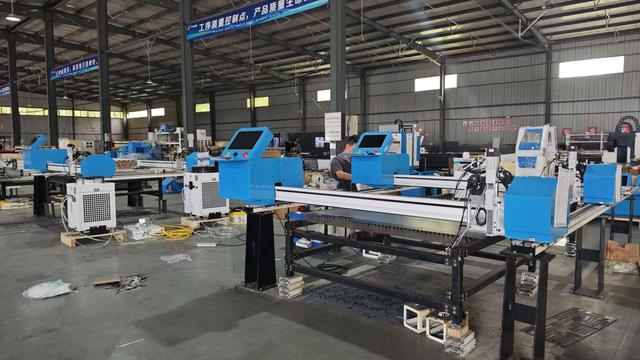
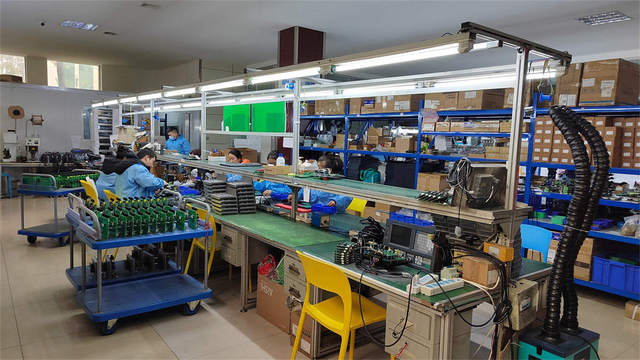
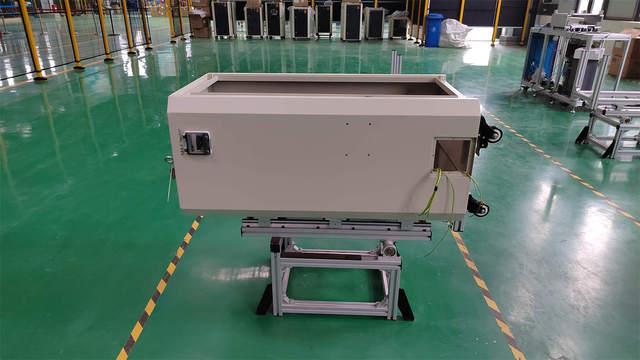
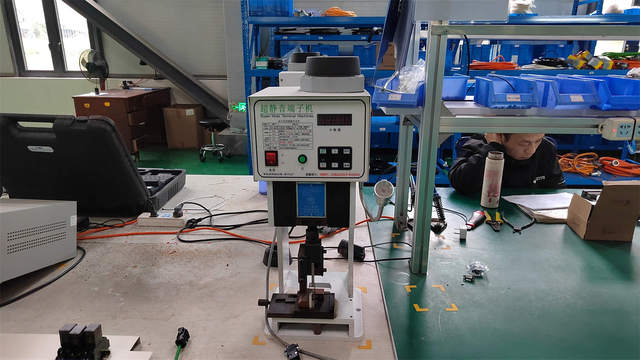
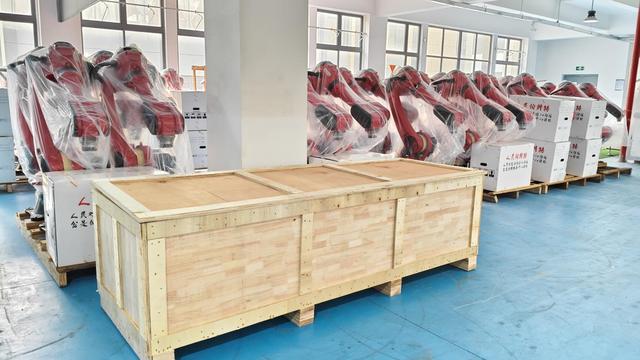
Sandai Robot operates a modern manufacturing facility covering more than 32,000 square meters and employs over 380 experienced engineers, technicians, and production specialists. With 20 automated assembly and testing lines, the company maintains strict quality control procedures throughout design, production, calibration, and final inspection processes. Its annual production capacity exceeds 8,000 industrial robotic welding units.
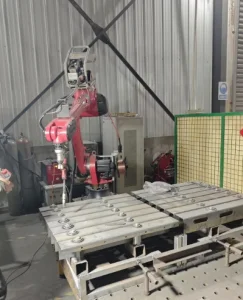
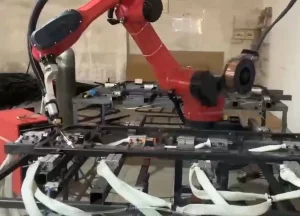
Real-time seam tracking and adaptive parameter adjustment allow robots to compensate for workpiece variations, ensuring zero-defect production in non-jig environments.
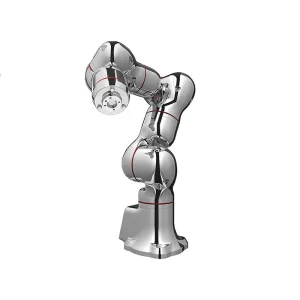
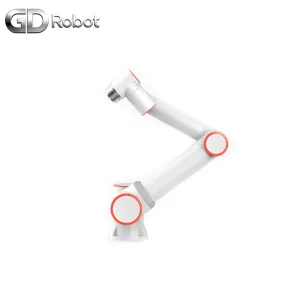
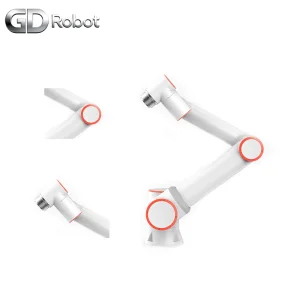
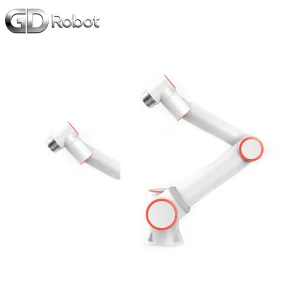
Collaborative robots (Cobots) are breaking the safety cages. Our GD16 series allows human-robot collaboration, ideal for small workshops with limited space.
Cloud-based monitoring and digital twin simulations predict maintenance needs and optimize welding paths before a single spark is struck.
Energy-efficient servo motors and precise laser cleaning reduce the carbon footprint of heavy metal fabrication, aligning with global ESG standards.
Integrated spot welding and laser welding lines designed for lightweight aluminum battery trays and high-strength steel chassis. Our systems provide the rapid cycle times required for Tier 1 automotive suppliers.
High-precision TIG and Plasma welding solutions for titanium and nickel-based superalloys. We implement multi-axis synchronous control to maintain structural integrity in critical flight components.
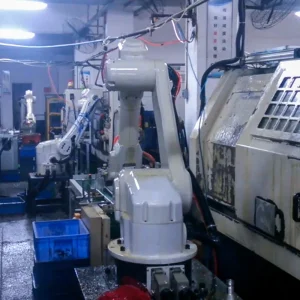
Long-reach robotic arms (2100mm+) capable of deep-groove welding in thick plates for construction equipment and hull sections. Our robots handle the harsh environment of shipyards with IP67-rated durability.
 Sandai Robot